
Every morning, I open my phone with coffee in hand and scroll through my favorite apps. News, memes, debates, and random opinions appear one after another. Over time, I started noticing something interesting: posts disappear, accounts get suspended, and some content spreads while other posts vanish.
That curiosity pushed me to learn how free speech and social media platforms actually work in the United States. I wanted to understand the rules that shape what we see online and what we can say.
What surprised me most is that social media feels like a giant public town square, but legally it works very differently. Private companies run these platforms, which means they create the rules for speech. Once I understood that, the entire online experience started making much more sense.
Now I treat social media like a shared digital space with house rules. When you understand those rules, you post smarter, argue better, and avoid unnecessary drama.
Why Do free speech and social media platforms Work Differently Than Real Public Spaces?

When I first learned about the First Amendment, I assumed it protected everything people say online. That belief sounds logical because social media looks like a public forum.
But the First Amendment protects people from government censorship, not private companies.
Platforms like Facebook, Instagram, X, and YouTube operate as private businesses. They build the apps, manage the servers, and design the feeds. Because they own the platforms, they also decide what content stays and what gets removed.
The Supreme Court reinforced this idea recently. Courts recognize that platforms make editorial decisions when they rank posts, recommend videos, or remove harmful content. Those choices count as expressive decisions that the government cannot easily control.
Once I understood this, I stopped treating social media like a constitutional right. I started treating it like a private space with rules—similar to a gym, coffee shop, or community forum.
What Laws Shape free speech and social media platforms in the United States?

When I started researching the legal side, one law kept appearing everywhere: Section 230 of the Communications Decency Act.
This law basically built the modern internet.
Section 230 protects platforms from being legally responsible for every post users publish. Without that protection, social media would struggle to exist because companies would face lawsuits over millions of posts every day.
Section 230 also allows platforms to remove content in good faith. That means they can moderate things they consider objectionable without losing legal protection.
Recently, lawmakers introduced a proposal called the Sunset to Reform Section 230 Act. The proposal suggests allowing Section 230 protections to expire in 2026 if Congress does not update the law. Many policymakers want new rules for how platforms handle speech, safety, and accountability.
The legal conversation around free speech and social media platforms continues to evolve, which means the rules could change in the future.
How Do Platforms Actually Moderate Content Every Day?
Before I learned about moderation policies, I assumed platforms randomly removed posts.
That assumption turned out to be wrong.
Most platforms follow detailed community standards designed to keep spaces safe for users. While each company has its own rules, several patterns appear across nearly every platform.
| Content Type | Typical Platform Response |
| Hate speech | Removed or restricted |
| Harassment | Account warnings or suspension |
| Misinformation | Labels, visibility limits, or removal |
| Explicit content | Removal unless properly tagged |
Facebook and YouTube rely heavily on AI systems combined with human reviewers. X takes a more flexible approach but still bans direct attacks based on protected attributes.
The goal often focuses on balancing open conversation with user safety.
I realized that moderation feels frustrating only when we do not understand the rules behind it.
What Did Recent Supreme Court Cases Say About free speech and social media platforms?
Over the past few years, several court decisions changed how people think about social media law.
In Moody v. NetChoice (2024), the Supreme Court ruled that states cannot easily force platforms to host specific viewpoints. The Court treated platform moderation as protected speech by the platforms themselves.
Another case, Murthy v. Missouri (2024), addressed government communication with platforms about misinformation. The Court dismissed the case due to standing issues, which means the government still has room to communicate with companies about harmful content.
A third major decision, Free Speech Coalition v. Paxton (2025), allowed Texas to require age verification for adult content websites. The Court ruled that protecting minors justified limited burdens on adult speech access.
These rulings show that courts continue refining the boundaries of free speech and social media platforms rather than applying one simple rule.
How Do I Navigate free speech and social media platforms Without Getting Burned?
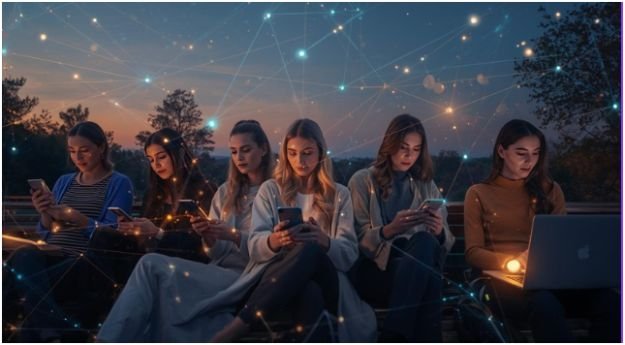
Over time, I developed habits that help me stay active online without running into unnecessary trouble.
First, I treat every platform like someone else’s property. When you walk into a friend’s house, you follow their house rules. Social media works the same way.
Second, I read community guidelines before posting controversial content. That quick habit saves a lot of headaches.
Third, I focus on constructive discussion instead of outrage. Platforms reward engagement, but negative engagement often attracts moderation.
Finally, I remember that algorithms control visibility. A post may disappear from feeds without actually getting deleted.
Once you accept those realities, social media becomes easier to navigate.
How to Use free speech and social media platforms Responsibly
Step 1: Understand the platform rules
Before posting serious opinions, I check the platform’s community guidelines. This quick step prevents accidental violations as big tech controls online speech and helps me understand what content the platform allows.
Step 2: Share ideas, not attacks
I express my opinions clearly but avoid targeting individuals or protected groups. Platforms usually remove content that crosses that line.
Step 3: Verify information before posting
Misinformation spreads quickly online. I double-check news sources and statistics before sharing posts related to health, politics, or elections.
Step 4: Respect audience context
Every platform has a different culture. LinkedIn discussions feel different from TikTok or Reddit. I adjust tone and content depending on the environment.
Step 5: Use social media intentionally
I remind myself that social media works best as a conversation tool, not a shouting match. When you approach it with that mindset, the experience improves dramatically.
FAQ: What Do People Usually Ask About free speech and social media platforms?
1. Do social media platforms have to follow the First Amendment?
No. The First Amendment limits government censorship, not private companies. Platforms like Meta, X, and YouTube run private services, which allows them to moderate content according to their own rules and community guidelines.
2. Can the government force platforms to host certain viewpoints?
Recent Supreme Court rulings suggest the government cannot easily force platforms to host specific viewpoints. Courts treat moderation decisions as a form of editorial judgment protected under the platforms’ own First Amendment rights.
3. What does Section 230 actually do?
Section 230 protects platforms from legal liability for user posts. It also allows them to remove objectionable content in good faith. This law enabled the growth of social media by allowing companies to host massive amounts of user-generated content.
4. Can schools punish students for social media posts?
Schools have limited authority over off-campus speech. The Supreme Court ruled in Mahanoy Area School District v. B.L. that schools cannot punish students for off-campus posts unless the speech causes substantial disruption at school.
So…Who Really Controls Online Speech Anyway?
After years of watching debates about censorship online, I realized something simple.
Nobody controls online speech completely.
Users create content. Platforms design rules. Governments establish legal boundaries. Courts interpret the Constitution.
That balance creates the modern system of free speech and social media platforms in the United States.
I approach social media now like a shared digital neighborhood. I speak my mind, respect the space, and stay aware of the rules that shape the conversation.
One small habit changed my entire experience online: pause before posting and ask yourself whether your message adds value.
That tiny moment of reflection often makes the internet a better place.
Key Takeaways
- The First Amendment protects speech from government censorship but not from private platform moderation.
- Social media companies have their own First Amendment rights to curate and manage content.
- Section 230 protects platforms from liability for user posts while allowing them to moderate harmful content.
- Recent Supreme Court decisions continue shaping how free speech and social media platforms operate.
- Understanding platform rules helps users communicate more effectively and responsibly online.