

I used to think referees just reacted randomly to what they saw on the field. Then I tried watching a full match focusing only on the referee, and I quickly realized how intense the job really is. Understanding how referees make decisions changed the way I watch sports forever. It is not a guess. It is a fast, structured process happening every few seconds under pressure.
The Decision-Making Process Behind How Referees Make Decisions
An insight into the decision-making process of referees:
Perception Of The Play
The first step in how referees make decisions starts with perception. Referees constantly scan the field to detect key moments like tackles, handballs, or boundary calls. This requires sharp vision and awareness of multiple moving elements at once.
In high-level matches, referees process hundreds of these moments. Studies show elite soccer referees can make around 245 decisions per game. That means they are evaluating something nearly every 20 to 25 seconds.
Classification Using Rules
Once a referee identifies an event, the next step is classification. They mentally compare what they saw with the rules of the sport. This is where experience matters because similar situations can look different in real time.
A referee decides whether the action is legal, a foul, or something that does not require intervention. This step happens almost instantly, which is why training and repetition are so important.
Advantage Assessment Before Stopping Play

Before blowing the whistle, referees often pause briefly to evaluate advantage. If the team that was fouled still has a better opportunity to continue, stopping play might actually harm them. This is one of the most misunderstood parts of officiating. What looks like a missed call is often a deliberate choice to keep the game flowing.
Integration And Final Response
Finally, referees integrate all the information they have gathered. They consider player reactions, intensity, and the context of the game before making a call. The response comes through a whistle, signal, or verbal communication. Once the decision is made, it must be clear and confident to maintain authority.
Types Of Decisions That Define How Referees Make Decisions
Some decisions are straightforward and based purely on facts:
Statutory Decisions Based On Facts
To begin with, for example, if the ball crosses the line, it is out of play. There is no interpretation needed. These calls are usually the most accurate because they rely on clear visual confirmation rather than judgment.
Interpretation Decisions Requiring Judgment
Other situations are far more complex. Determining whether a tackle is careless or dangerous involves interpretation. This is where referees rely on experience and instinct. Two referees might see the same incident differently, and both decisions could still fall within the rules. That is the nature of judgment calls.
Game Management Decisions For Flow
Referees also make strategic decisions to manage the flow of the game. Sometimes they allow minor fouls to keep the match moving smoothly. Other times they tighten control if the game becomes aggressive. These choices help maintain balance and fairness throughout the match.
Factors Influencing How Referees Make Decisions In Real Time
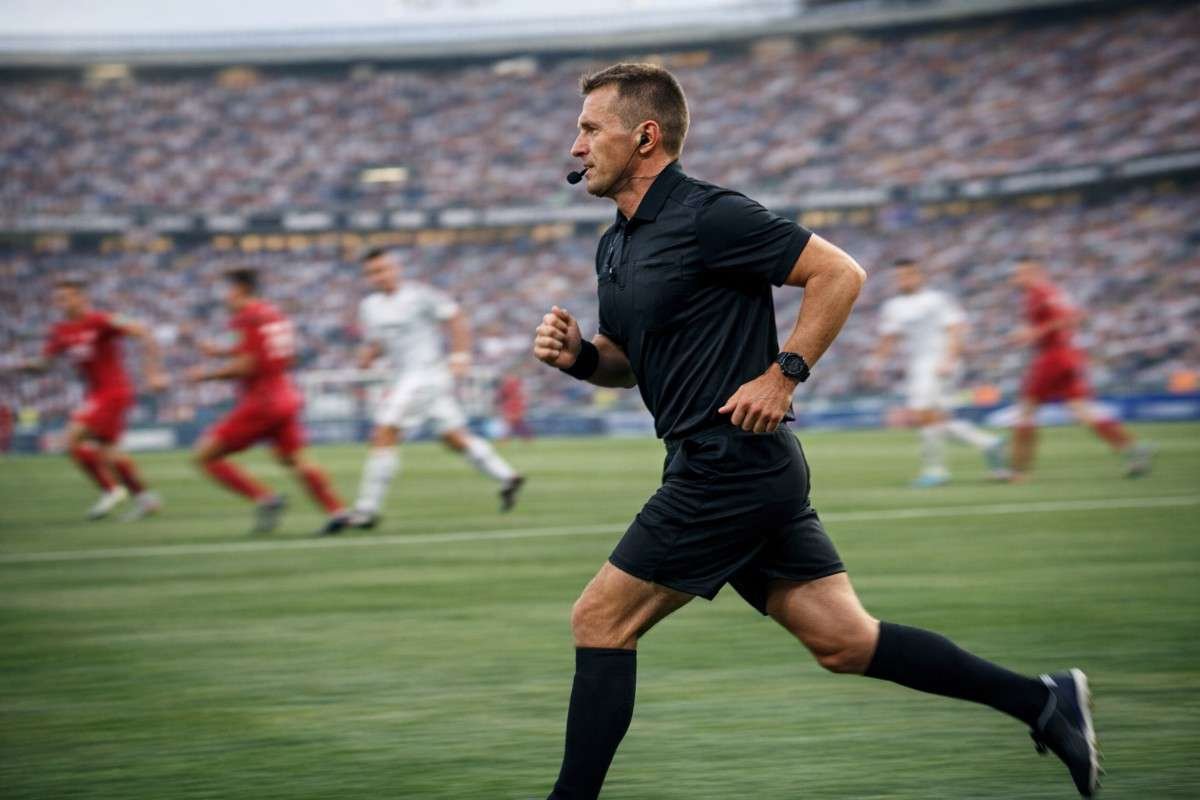
Physical Condition And Fatigue
Referees cover significant distances during a match. As fatigue builds, concentration and reaction time can be affected. Late in games, even small lapses in focus can impact decision quality. This is why fitness is a critical part of officiating.
Positioning And Viewing Angle
Being in the right place at the right time is essential. A poor angle can lead to misjudging distance or contact between players. Assistant referees also play a role, especially for offside decisions. Their positioning must be precise to ensure accuracy.
Crowd Pressure And Environment
Crowd noise can influence perception. Research suggests referees may subconsciously favor the home team due to loud reactions from fans. This does not mean referees are biased, but the environment can create subtle pressure that affects decision-making.
Technology And Video Support
Modern sports use tools like video replay to support referees. Systems such as VAR help correct clear mistakes in critical moments. However, most decisions still happen live. Technology acts as a safety net rather than a replacement for human judgment.
How To How Referees Make Decisions Step By Step
To understand how referees make decisions:
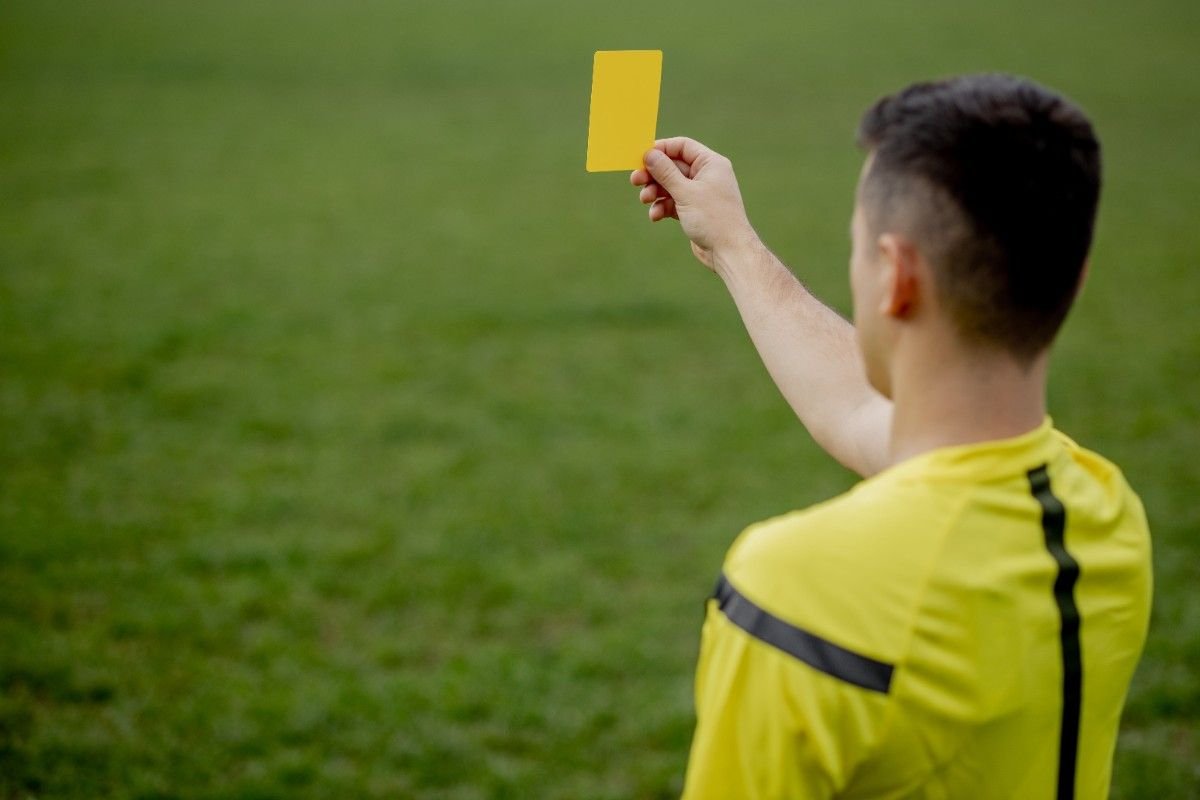
- Start by observing the play closely. Focus on player movement, ball position, and contact. This is the same visual input referees rely on in real time.
- Next, interpret what you see using the rules of the game. Ask yourself whether the action is legal, a foul, or neutral. This step requires both knowledge and skill of quick thinking.
- Then, consider advantage before making a call. Would stopping play benefit the team, or is it better to let the game continue? This decision often separates good referees from great ones.
- After that, make a clear and confident decision. Use signals, whistles, or gestures to communicate effectively. Confidence helps maintain control of the game.
- Finally, reset immediately and prepare for the next moment. Referees do not dwell on past decisions. They stay focused on what comes next.
How Referees Prepare To Improve Their Decision-Making?
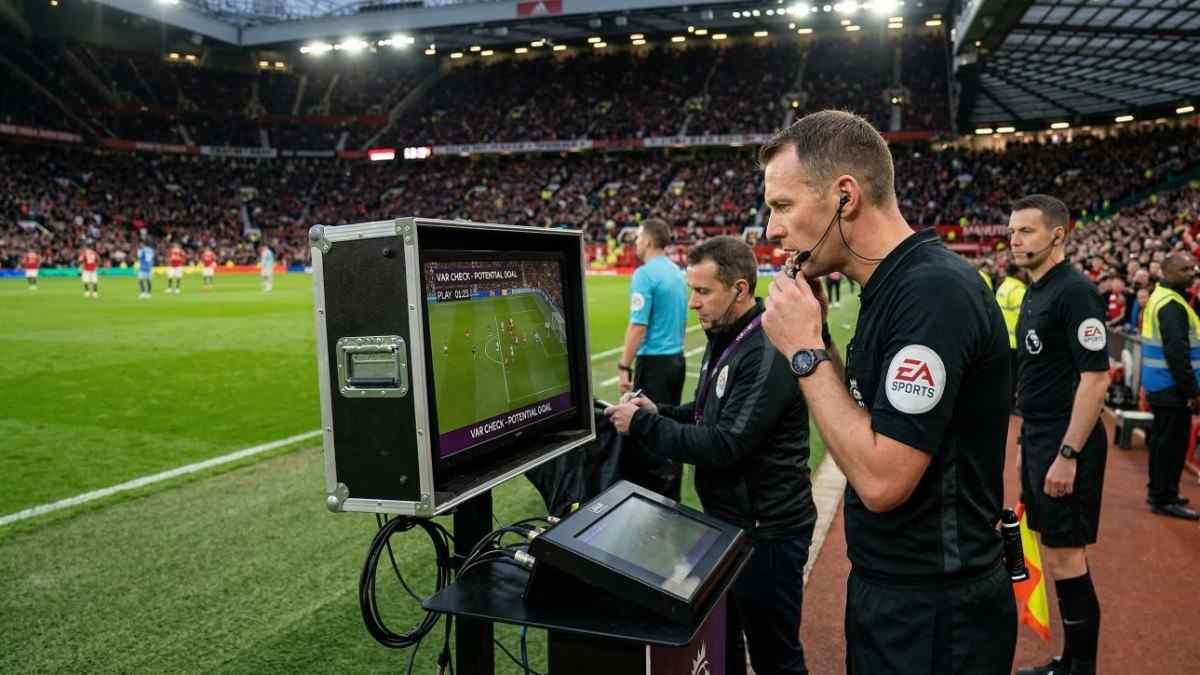
Video-Based Learning And Analysis
Referees spend hours reviewing game footage. They study different scenarios to improve their recognition and reaction skills. This training helps align their instincts with correct rule interpretations over time.
Mental Preparation And Focus Techniques
Mental strength is just as important as physical fitness. Referees use visualization and stress management techniques to stay calm under pressure. These methods help them remain composed even in high-stakes situations.
Performance Reviews And Feedback
After each match, referees are evaluated by observers. Their decisions are analyzed and scored. This feedback influences future assignments and career progression, encouraging continuous improvement. Moments like this show how sports unites communities.
Frequently Asked Questions
1. How fast do referees make decisions?
Most decisions are made in less than a second during live play. Referees rely on training and instinct to respond quickly.
2. Do referees rely only on rules?
No, they combine rules with judgment and game context to make balanced decisions.
3. Can crowd noise affect referees?
Yes, loud crowds can create pressure and subtly influence perception in certain situations.
4. How accurate are professional referees?
Top-level referees are estimated to be about 98 percent accurate due to training and evaluation systems.
Conclusion
Now that you understand how referees make decisions, it becomes clear that every call is the result of skill, awareness, and pressure handling. The next time you watch a match, try seeing it from their perspective. You might still disagree with a call, but you will definitely respect the process behind it a lot more.