

Stress is a ubiquitous part of modern life, often manifesting in ways we least expect. While its effects on mental health are well-documented, many people remain unaware of the profound impact stress has on oral health. From subtle changes to significant dental issues, understanding this connection is crucial for maintaining a healthy smile. Let us explore these key mechanisms.
Bruxism: The Silent Grinder
Nighttime Teeth Grinding and Clenching
One of the most common physical responses to persistent anxiety is bruxism, a condition characterized by the grinding and clenching of teeth. For many individuals, this destructive habit occurs predominantly during sleep. Because the action is unconscious, tremendous force is applied to the teeth and jaw muscles without the protective reflex that normally stops us from biting down too hard. Over time, nighttime bruxism wears down the biting surfaces of the teeth, leading to flattening, chipping, and micro-fractures.
Daytime Clenching Habits
Bruxism is not solely restricted to the nighttime hours. Daytime clenching is highly prevalent among individuals navigating high-pressure environments. You might catch yourself firmly pressing your teeth together while concentrating on a complex task, driving in heavy traffic, or responding to an upsetting email. Unlike sleep bruxism, daytime clenching rarely involves side-to-side grinding, but the sustained downward pressure still exhausts the jaw muscles and places immense strain on the periodontal ligaments that hold your teeth in place.
Symptoms and Diagnosis
Identifying bruxism early can prevent severe dental damage. Common indicators include waking up with a dull headache, experiencing unexplained facial pain, or noticing increased tooth sensitivity to hot and cold temperatures. Your dental provider can diagnose the condition by examining your teeth for abnormal wear patterns, enlarged jaw muscles, and damage to the surrounding cheek tissue.
Temporomandibular Joint Disorders: Jaw Pain and Dysfunction
The Link Between Stress and TMD
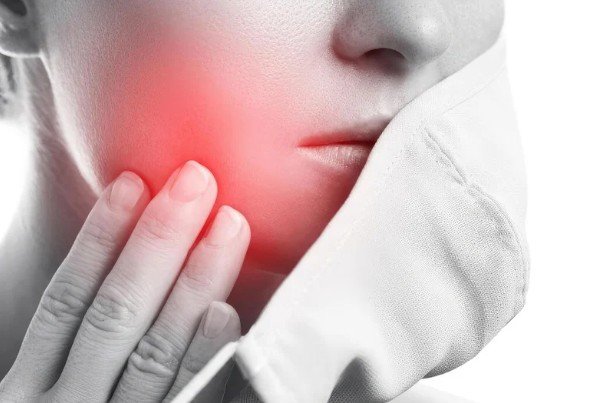
The temporomandibular joint connects your lower jaw to your skull, functioning as a complex sliding hinge. Chronic stress places direct tension on the facial and masticatory muscles, severely irritating this joint. When tension causes continuous muscle contractions, it disrupts the natural alignment and movement of the jaw, triggering a group of conditions collectively known as Temporomandibular Joint Disorders (TMD).
Common Symptoms of TMD
TMD manifests through a variety of uncomfortable and sometimes debilitating symptoms. Patients frequently report a clicking, popping, or grating sound when opening or closing their mouths. This auditory symptom is often accompanied by restricted jaw movement, making it difficult to chew tough foods or yawn comfortably. Radiating pain that travels through the face, neck, and shoulders is another hallmark of the disorder.
Management and Treatment Approaches
Treating stress-induced TMD requires a multifaceted approach. Physical therapy, custom-fitted mouthguards, and targeted muscle-relaxation techniques are standard non-invasive treatments. In severe cases where prolonged grinding and jaw misalignment have resulted in significant tooth loss or structural failure, comprehensive restoration may be necessary. For patients requiring complete structural rehabilitation, discussing options like dental implants in Salt Lake City can provide a permanent solution that restores both the function of the temporomandibular joint and the aesthetics of the smile.
Gum Disease: A Stress-Aggravated Condition
How Stress Weakens Immune Response
High levels of psychological stress trigger the continuous release of cortisol, a primary stress hormone. While cortisol helps the body manage immediate threats, prolonged elevation suppresses the immune system’s natural defense mechanisms. A compromised immune system struggles to fight off the harmful bacteria that naturally accumulate in the oral cavity, leaving the delicate gum tissues highly vulnerable to infection and chronic inflammation.
Increased Risk of Periodontitis
When plaque-causing bacteria are allowed to flourish unchecked, gingivitis develops. If the body cannot properly fight this early stage of gum disease due to stress-induced immune suppression, the condition rapidly advances to periodontitis. Periodontitis is a severe infection that destroys the soft tissue and degrades the underlying bone that supports the teeth.
The Cycle of Stress and Oral Inflammation
The relationship between oral inflammation and systemic stress operates as a vicious cycle. The pain and physical discomfort associated with bleeding, swollen gums naturally elevate a person’s anxiety levels. Furthermore, the persistent low-grade infection associated with untreated periodontitis forces the body to remain in a constant state of immune alertness, draining energy reserves and contributing to a general sense of fatigue and mental strain.
Enamel Erosion and Tooth Sensitivity

Acid Reflux and Stress
Severe anxiety directly impacts the digestive system, frequently causing the stomach to produce excess acid. This physiological response often triggers gastroesophageal reflux disease (GERD). When stomach acid travels up the esophagus and enters the mouth, it creates a highly corrosive environment. This potent acid rapidly strips away the protective enamel layer of the teeth, leaving the softer dentin exposed and highly susceptible to decay, highlighting the impact of sports on mental health in managing stress and anxiety.
Aggressive Brushing Habits
In an attempt to maintain control during chaotic periods, some individuals channel their nervous energy into their daily hygiene routines. This can result in aggressive, forceful tooth brushing. Using a hard-bristled brush or applying excessive pressure scrubs away the enamel at the gum line. This abrasive action not only damages the tooth surface but also causes the gum tissue to recede, exposing the vulnerable tooth roots.
Protecting Your Tooth Enamel
Safeguarding your enamel requires gentle, consistent care. Dental professionals strongly recommend using soft-bristled toothbrushes and non-abrasive fluoride toothpaste. If you suffer from stress-induced acid reflux, avoid brushing your teeth immediately after an episode, as the enamel is temporarily softened and prone to scratching. Instead, rinse your mouth with water or a fluoride-based mouthwash to neutralize the acid.
Oral Hygiene Neglect: A Consequence of Stress
The Impact of Stress on Daily Routines
Mental fatigue drastically alters a person’s daily habits. When overwhelmed by emotional or professional pressures, self-care routines are frequently the first responsibilities to be abandoned. Exhausted individuals may skip brushing their teeth before bed or completely ignore flossing. This disruption in consistency allows plaque to harden into tartar within a matter of days.
Increased Risk of Cavities and Infections
Without regular brushing and flossing, the oral microbiome falls out of balance. Sugars and carbohydrates from a stress-driven diet feed the bacteria in the mouth, accelerating the production of enamel-destroying acids. This perfect storm of poor hygiene and unhealthy dietary choices leads to a rapid increase in cavities, localized infections, and severe halitosis.
Maintaining Oral Care During Stressful Times
Keeping up with dental hygiene requires deliberate effort during challenging periods. Habit stacking—such as flossing while watching a favorite television show or brushing your teeth immediately after washing your face—can help automate these tasks. Storing travel-sized dental tools in your workspace or vehicle also provides convenient opportunities to maintain your routine when your schedule becomes erratic.
Other Oral Manifestations of Stress

Canker Sores and Cold Sores
Stress serves as a primary trigger for the eruption of painful mouth ulcers, commonly known as canker sores. These small, shallow lesions develop on the soft tissues inside the mouth and make eating and speaking highly uncomfortable. Additionally, immune suppression allows the dormant herpes simplex virus to reactivate, leading to the development of cold sores on or around the lips.
Dry Mouth (Xerostomia)
Chronic anxiety alters the function of the salivary glands, significantly reducing saliva production. Saliva is essential for washing away food particles and neutralizing bacterial acids. A perpetually dry mouth creates an optimal breeding ground for harmful bacteria, vastly increasing the risk of rampant tooth decay and persistent bad breath.
Burning Mouth Syndrome
Burning mouth syndrome is a complex condition characterized by a severe, ongoing burning sensation on the tongue, lips, or roof of the mouth. While the exact physiological cause remains difficult to pinpoint, clinical studies show a strong correlation between the onset of this painful syndrome and severe psychological distress. Managing the underlying anxiety is often the most effective method for alleviating the burning sensation.
Conclusion
The intricate relationship between stress and oral health underscores the importance of holistic well-being. Recognizing the signs of stress-related dental issues is the first step toward proactive management. By adopting stress-reduction techniques and seeking professional care, you can mitigate these adverse effects. Prioritize your mental and oral health for a radiant smile.