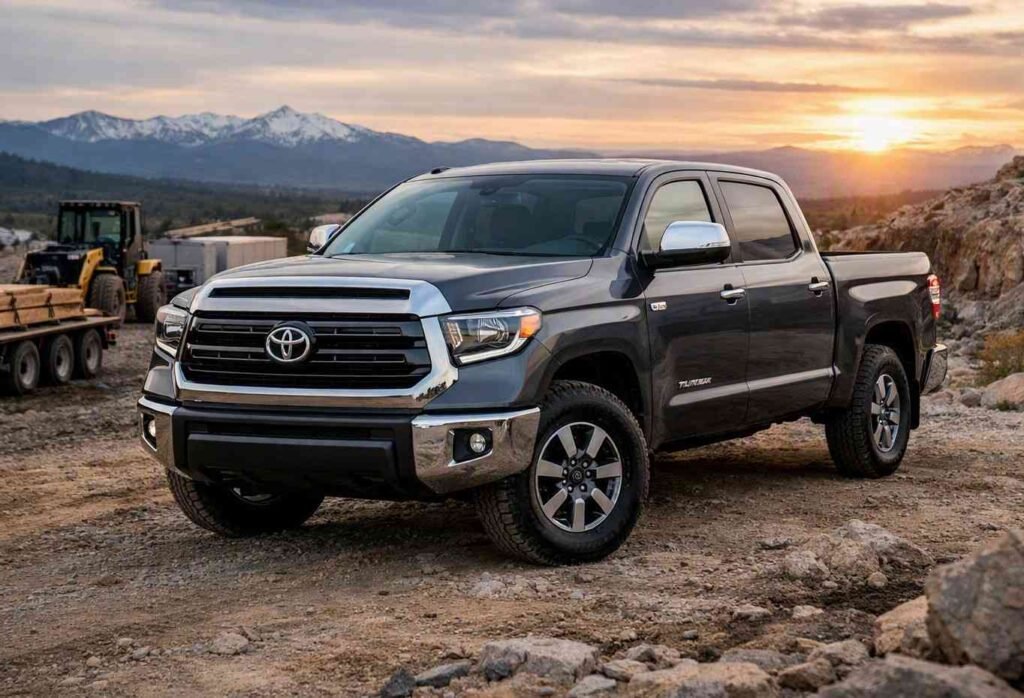
Price comparison alone does not show the full story when comparing trucks. The Toyota Tundra five years old and with 60,000 miles has passed the initial high depreciation phase that affects most trucks. Toyota’s full-size model loses about 28.7% in five years, whereas the average full-size truck drops by 42.5%.
This huge difference forms the core justification for purchasing preowned vehicles. Drivers avoid heavy early losses while acquiring a proven machine. The used truck market accurately reflects exceptional longevity. Buyers exploring quality https://www.spacecitytoyota.com/used-vehicles-houston/tundra quickly see well-priced, exceptionally durable trucks built to deliver outstanding performance for many years.
The Mileage Numbers Don’t Lie
iSeeCars pulled data from over 300 million vehicles trying to answer one question: how long does a Tundra actually last? 205,284 miles. About 14.8 years. And 53.6% of Tundras make it to 200,000 miles — not a fluke, not some best-case outlier a dealer cherry-picked. Over half the entire fleet. That’s the kind of number a mechanic quotes without checking his notes.
Reliability Scores That Actually Hold Up
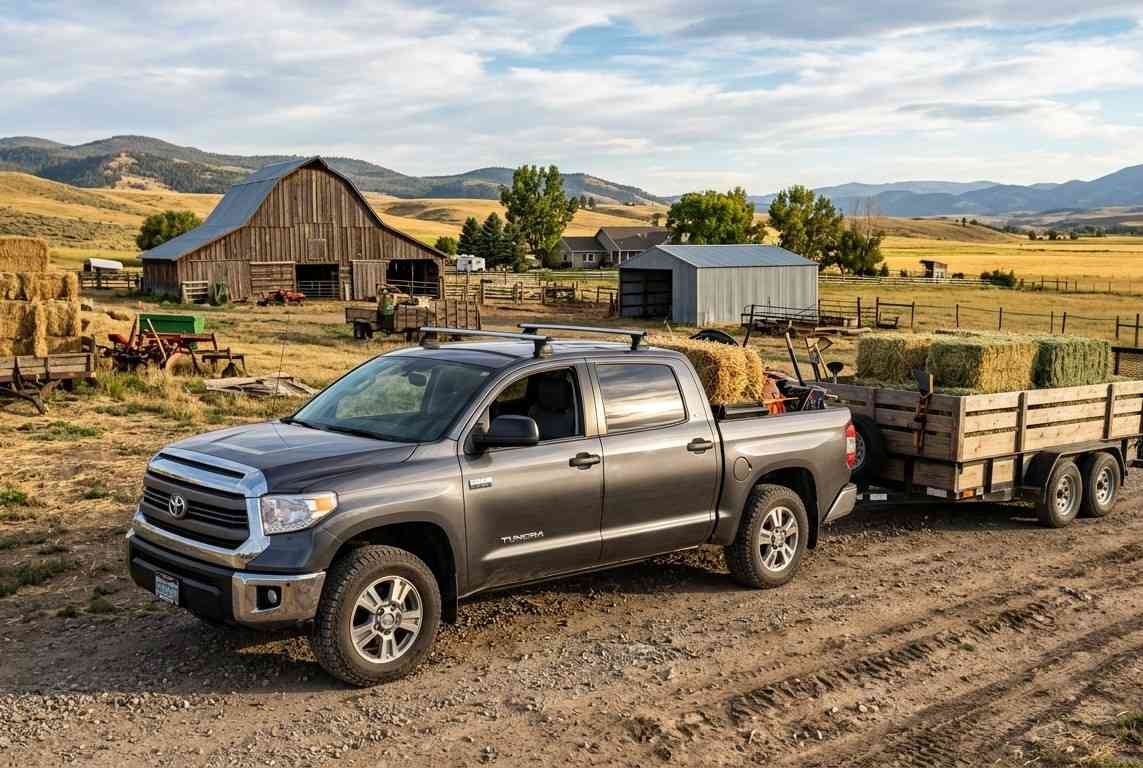
J.D. Power scored the Tundra 83 out of 100 for quality and reliability. “Great” tier. The F-150 sits at 86, the GMC Sierra at 82 — so the Tundra isn’t trailing; it’s right in the mix with trucks that get ten times the ad spend. Where it actually pulls ahead is repair bills.
| Truck | Avg. Annual Repair Cost |
| Toyota Tundra | ~$600 |
| GMC Sierra | ~$730 |
| Ford F-150 | ~$790 |
Add that up over five years, and you’re saving close to a grand, before a single extra shop visit gets counted.
Payload and Towing Still Deliver Used
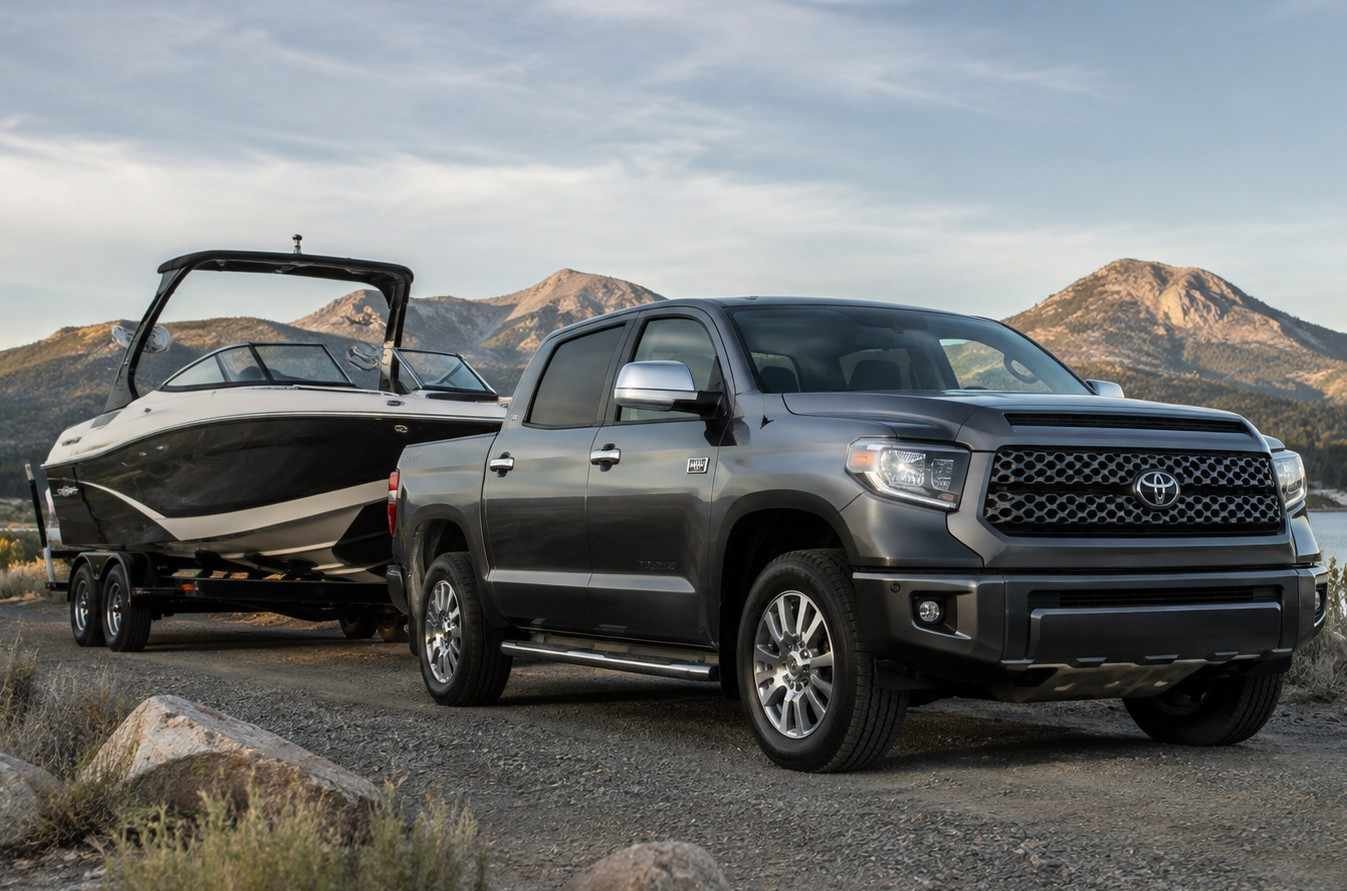
Some trucks quietly lose their nerve as the miles pile up. Not this one. The frame’s built heavy from the factory — the V8-era trucks especially — and towing capacity barely blinks through hundreds of thousands of miles hauling trailers, boats, whatever the job site throws at it. Buyers looking for a used Toyota Tundra for sale aren’t settling for “good enough.” They’re getting a truck still rated to work.
Why the 2013-Era Trucks Get Singled Out
Ask a mechanic who’s spent years under these hoods which year he’d buy blind. A lot of them say 2013 without hesitating. Toyota had already sorted the early kinks out by then. The V8 lineup was mature. Fewer complaints, fewer surprises — it’s the truck a shop owner parks in his own driveway, not just the one he tells customers to buy.
Resale Value Protects Your Next Purchase
Buy smart now, and you’re not just saving today. You’re setting up whatever comes next. Since Tundras depreciate slower than the segment average, owners routinely walk away from a trade-in with more cash in hand than owners of comparable trucks. It becomes a cycle. Buy used smart, sell used smart, repeat.
Quick comparison — what the data shows:
- Average lifespan: 205,284 miles, well above most segment norms
- Chance of reaching 200K miles: 53.6%
- Annual repair cost: ~$600, lowest among major full-size competitors
- 5-year depreciation: 28.7%, versus a 42.5% full-size average
A used Tundra isn’t a compromise. Honestly, it might be the smarter buy over new.
Frequently Asked Questions (FAQs)
1. Is a used Toyota Tundra a good investment?
Yes. Its slower depreciation curve — 28.7% over five years — means owners keep more value than most full-size truck buyers.
2. How many miles can a used Tundra realistically last?
Data points to an average lifespan of 205,284 miles, with over half of all Tundras crossing 200,000.
3. Are repair costs high on an older Tundra?
Not really. At around $600 per year, Tundra buyers pay less than buyers of F-150s or Sierras.
4. What is the best used model year for a Tundra?
The 2013 model year keeps popping up because of its reliable V8 engine and fewer complaints.
5. Do used Tundras tow and haul like new?
Yes. The payload capacity and towing ability remain strong even after 100,000 miles because of the durable frame.
The Smart Money Buys Tundra Used
Forget the badge on the hood. The numbers do the talking here. A truck built to outlast 200,000 miles more than half the time, repair bills nearly $200 lighter than its rivals, and depreciation that protects your wallet instead of draining it.
That is not luck. It is engineering with a proven track record. While features such as regenerative braking are more common in hybrid vehicles, the Tundra’s real advantage comes from durability, strong resale value, and dependable long-term performance. Buying used does not mean settling. With the Tundra, it means buying smarter than the driver who paid full price. The data has already made the case. All that is left is choosing your truck.