
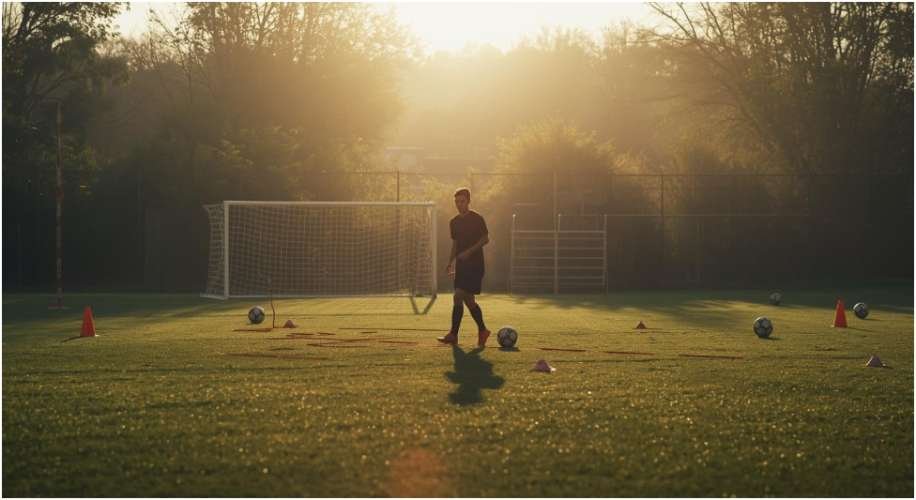
The first time I seriously committed to football training drills for athletes, I realized something quickly. Playing matches alone never made me better. The real improvement came from the routines I practiced between games.
I started treating training like a lifestyle habit instead of an occasional workout. A few focused sessions each week sharpened my touch, improved my acceleration, and helped me read the game faster. Over time those habits turned into noticeable improvements on the field.
What worked for me wasn’t complicated. I built my routine around agility, speed, technical control, and position-specific skills. When you combine those pieces consistently, you start playing with more confidence and control.
Here’s the routine I use when I practice football training drills for athletes during the week.
Why Do football training drills for athletes Matter So Much?
I learned early that raw talent only carries you so far. Structured training builds the habits that show up during pressure moments in a match.
When I started following specific football training drills for athletes, my game awareness improved dramatically. I reacted faster to passes, moved into better positions, and felt calmer when defenders closed in.
The biggest difference came from repetition. Practicing the same movements each week trained my muscles and my decision-making at the same time. Soon those actions felt automatic during real matches.
Good training does not only improve fitness. It improves how you think and move with the ball.
Which Agility Drills Help football training drills for athletes Build Faster Footwork?
Agility drills transformed my balance and reaction speed. I noticed that quick changes of direction often decide whether you keep possession or lose the ball.
One of my favorite drills is the T-drill. I place cones in a T shape and sprint forward, shuffle sideways, and backpedal to the start. That drill forces my body to stay balanced while changing direction quickly.
I also use an agility ladder for quick footwork patterns. I jump in and out of the squares as fast as possible while staying light on my toes. After a few weeks of consistent ladder work, my movements on the field felt sharper and more controlled.
These drills may look simple, but they train the exact movements that happen during real matches.
How Do football training drills for athletes Improve Ball Control?
Technical control separates good players from confident players. When I focus on ball mastery drills, I notice immediate improvements in my touch.
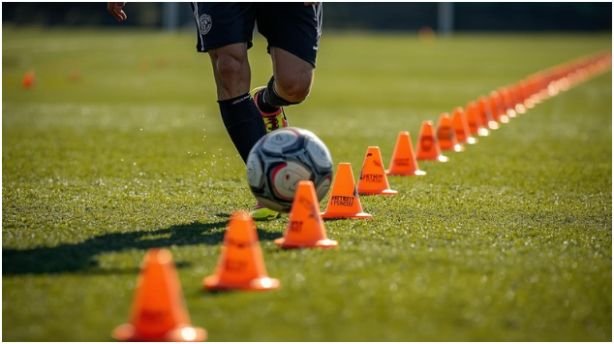
I often set up a line of cones about one meter apart and dribble through them quickly. That slalom-style drill forces me to use both the inside and outside of my feet. My control improves because I stay close to the ball.
Another habit I practice almost daily involves wall passing. I stand about five meters from a wall and pass the ball against it. The ball returns quickly, so I react with one touch and scan the field before the next pass.
That simple drill trains first touch, awareness, and quick passing decisions all at once.
How Do football training drills for athletes Help Midfielders Control the Game?
When I play midfield, I treat myself like the engine of the team. Everything flows through the midfield, so awareness becomes the most important skill.
One drill that helped me tremendously involves reactive scanning. I pass the ball against a wall and quickly glance left or right before receiving the return pass. That quick scan trains my brain to read the field before the ball reaches me.
Another drill focuses on the half-turn. I set four cones in a small square and practice receiving the ball with my back foot so I can turn forward immediately. That movement allows midfielders to escape pressure and keep attacks moving.
Those small habits make a huge difference during real matches when defenders press aggressively.
How Can football training drills for athletes Turn Strikers Into Goal Machines?
Scoring goals requires a different mindset. Strikers must react quickly and shoot confidently.
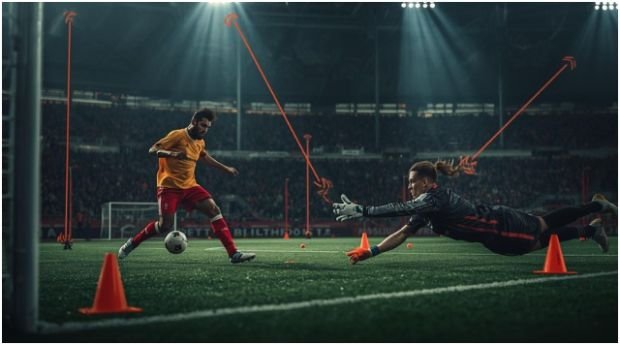
One drill I love involves finishing from multiple angles around the penalty box. I place cones near the edge of the box, receive a pass, take a quick touch, and shoot toward the corners of the goal.
Another drill I practice often is the snapshot drill. I receive the ball in a small cone square, shift it quickly, and shoot immediately. That drill mimics crowded penalty-box situations where a striker must shoot within seconds.
Movement also plays a big role. Practicing near-post and far-post runs teaches strikers how to attack crosses at the perfect moment.
Those habits create scoring opportunities before defenders react.
How-To Build a Weekly Routine With football training drills for athletes
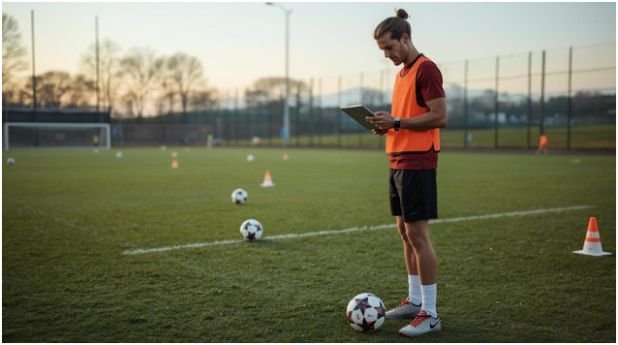
Building a routine makes training easier to maintain for the most popular sport in the world. I structure my weekly sessions around three focused days.
First, I start with a warm-up that includes dynamic stretching, high knees, and light juggling. That routine prepares my muscles and improves coordination before intense work begins.
Next, I move into agility and speed drills. I perform ladder drills, T-drills, and short sprints for about fifteen minutes. These exercises build acceleration and balance.
Then I focus on technical skills. I run cone dribbling drills and wall passing exercises to sharpen ball control and awareness.
Finally, I finish with conditioning work. Hill sprints or shuttle runs push my stamina while preparing my body for match intensity.
This routine usually takes about 40 minutes and keeps my training balanced and productive.
Sample Weekly Training Schedule
| Training Day | Focus Area | Main Goal |
| Tuesday | Ball mastery and finishing | Improve touch and shooting accuracy |
| Thursday | Speed and strength | Build explosive acceleration |
| Friday | Tactical drills and movement | Practice positioning and decision making |
Following a schedule like this keeps training consistent and manageable.
Key Takeaways From My football training drills for athletes Routine
Consistency matters more than complicated workouts.
Short training sessions performed two or three times per week produce real improvement.
Agility drills improve movement and balance.
Technical drills sharpen ball control and decision making.
Position-specific training prepares players for real match situations.
FAQs About football training drills for athletes
1. How often should I practice football training drills for athletes?
I usually train two or three times each week outside of matches. That schedule keeps my skills sharp without causing burnout. Even short 30-minute sessions help a lot if you stay consistent.
2. What drill improves ball control the fastest?
Cone dribbling drills helped me the most. Dribbling through tight spaces forces you to control the ball closely with both feet. After a few weeks of practice, your touch becomes much more reliable during matches.
3. Do football training drills for athletes improve speed?
Yes. Short sprints, ladder drills, and hill runs develop explosive acceleration. These drills train your body to react quickly, which helps you reach the ball faster and win one-on-one situations.
4. Can beginners follow these drills?
Absolutely. Beginners can start slowly with basic dribbling, passing, and agility drills. As confidence grows, they can increase speed and add more complex exercises.
Final Whistle Wisdom: Small Habits Create Big Players
The biggest lesson I learned from football training drills for athletes is simple. Consistency beats talent when talent stops training.
A few focused sessions each week sharpen skills faster than random practice. When you treat training like a weekly routine instead of a chore, your improvement becomes noticeable.
Grab a ball, set up a few cones, and start building your own routine. The field rewards players who prepare before the match even begins.