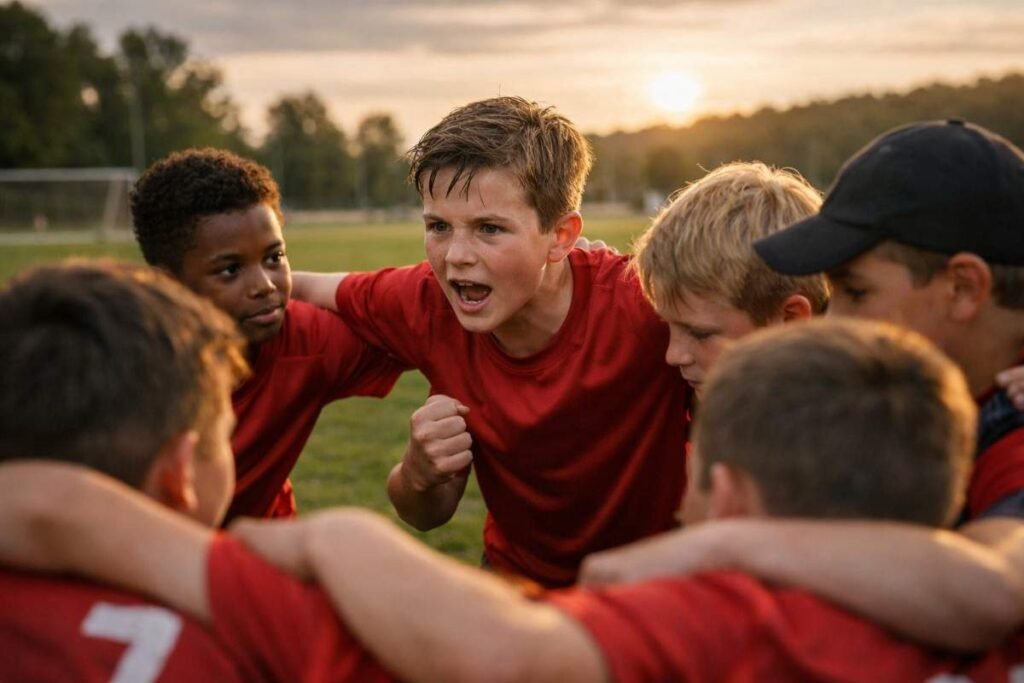
I used to think leadership meant being the loudest person on the field. But during one game, when everything was falling apart, I quietly encouraged my teammates instead of shouting. That moment changed how I understood how sports build leadership skills, because it showed me leadership is about actions, not volume.
If you have ever played sports, you already know it is more than just competition. It is where you learn to handle pressure, support others, and grow into someone people trust. These lessons stay with you far beyond the game.
Sports Build Leadership Skills Through Real Responsibility
Sports naturally push you into situations where your actions affect others. Whether you show up late, miss practice, or give your best effort, your team feels it. That responsibility changes your mindset quickly.
Over time, you begin to take ownership of your role. You stop thinking only about personal performance and start focusing on team success. This shift is one of the strongest ways how sports build leadership skills in everyday life.
You also learn that leadership is not about control. It is about consistency. Showing up, doing your part, and supporting others builds trust without needing to say much.
Understanding accountability in team environments
In sports, results are immediate and visible. If you make a mistake, it shows. If you perform well, it helps the team. This direct feedback teaches accountability for your actions faster than anything else.
You learn to own your actions instead of blaming others. That habit builds honesty and reliability, which are essential leadership traits. Over time, accountability becomes natural. You start holding yourself to higher standards, which is exactly what strong leaders do.
Core Leadership Skills Developed Through Sports Experiences
One of the biggest reasons how sports build leadership skills is because they develop multiple traits at the same time. You are not just learning one skill. You are building a complete leadership mindset.
These skills grow through repetition, pressure, and interaction with others. The more you play, the stronger these qualities become.
Communication and emotional intelligence in sports settings
Sports force you to communicate constantly. You call plays, give feedback, and motivate teammates during tough moments. This improves how clearly and effectively you express yourself.
You also learn emotional intelligence. You begin to read teammates’ moods, understand frustration, and respond in supportive ways.
This combination helps you connect with people better, which is a key part of leadership both on and off the field.
Decisiveness under pressure during competition
Games move fast, and there is rarely time to overthink. You have to make decisions quickly and commit to them. This builds confidence in your judgment. You learn to trust yourself even when the outcome is uncertain. That ability to act under pressure is one of the most valuable leadership traits you can carry into real life situations.
Resilience and grit developed through setbacks
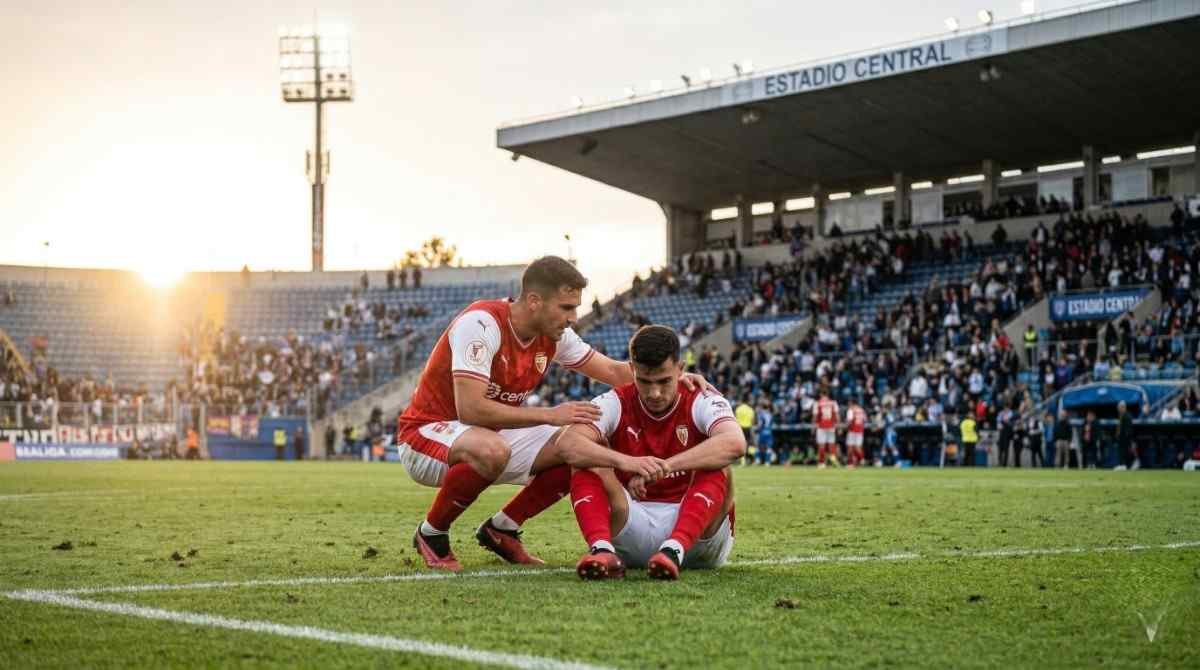
Every athlete faces losses, mistakes, and difficult moments. Sports teach you how to respond instead of giving up. You learn to stay focused, improve, and come back stronger. This builds mental toughness over time. Resilient people naturally become leaders because they stay steady even when things go wrong.
Accountability and responsibility within teams
In team sports, your performance affects everyone. This makes responsibility very real. You learn to take ownership of both success and failure. Instead of pointing fingers, you focus on solutions. That mindset builds trust, which is the foundation of leadership.
Teamwork and collaboration for shared success
Sports teach you that no one wins alone. Every player has a role, and success depends on working together. You learn to respect different strengths, communicate effectively, and support a common goal. These collaboration skills are exactly what strong leaders use to build successful teams.
How Sports Build Leadership Skills Through Real Experience
Leadership in sports does not come from theory. It comes from doing, failing, learning, and improving over time. You experience real situations that require quick thinking, emotional control, and teamwork. These repeated experiences shape your leadership abilities naturally. This is why athletes often transition into strong leaders in other areas of life.
Formal and informal leadership roles in sports
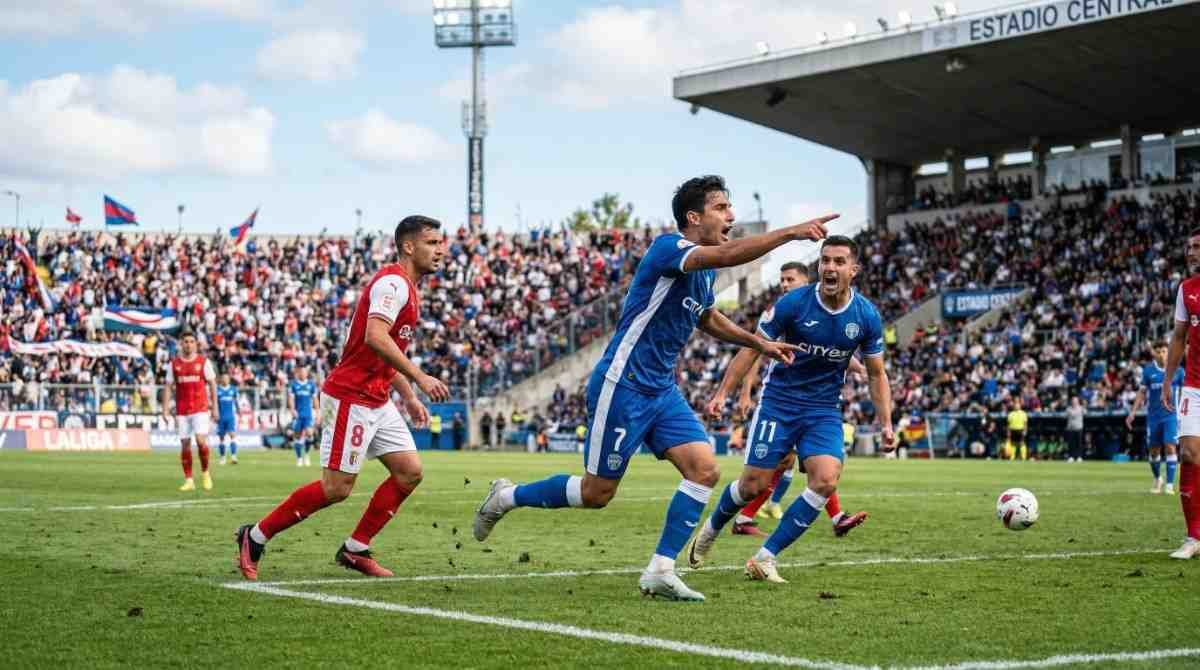
Not all leaders are captains. Some lead through their actions and attitude without any title. Formal leaders may guide strategy, but informal leaders influence team culture daily. Both types are important, and sports teach you how to step into either role when needed.
Leading by example through consistent behavior
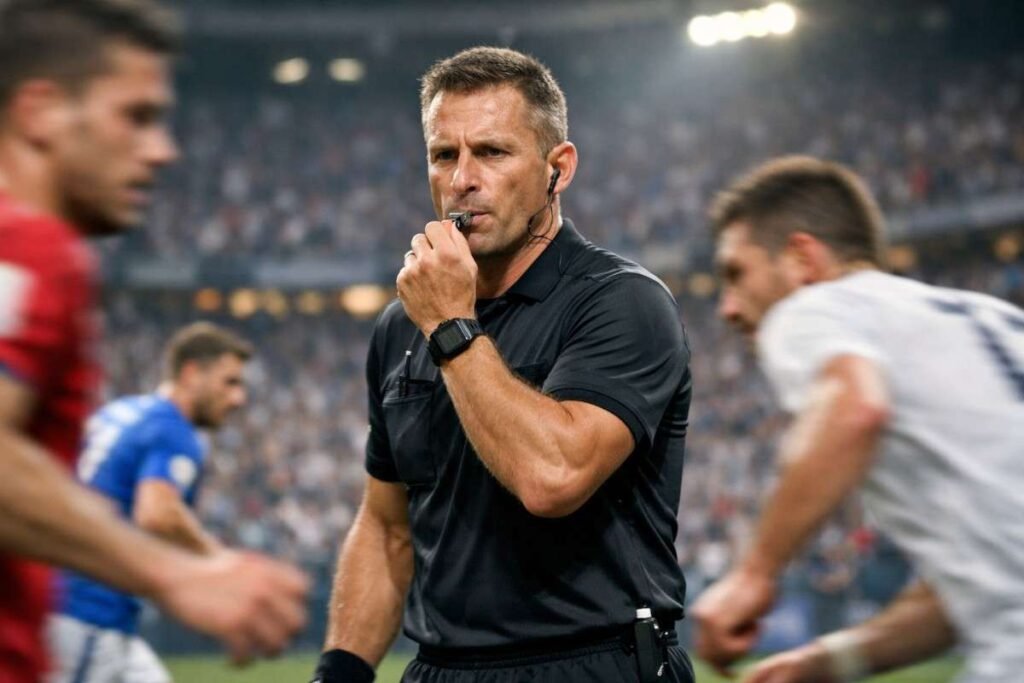
One of the strongest lessons in how sports build leadership skills is learning to lead by example. When you work hard, stay disciplined, and maintain a positive attitude, others notice. This type of leadership is powerful because it does not rely on words. It is built on actions. This is similar to how referees make decisions under pressure.
Coaching and mentorship in athlete development
Coaches and experienced players play a big role in shaping future leaders. They guide, support, and challenge you to improve. You also learn how to mentor others by sharing knowledge and encouraging teammates. This cycle of learning and teaching strengthens leadership skills over time.
Understand How Sports Build Leadership Skills Step By Step
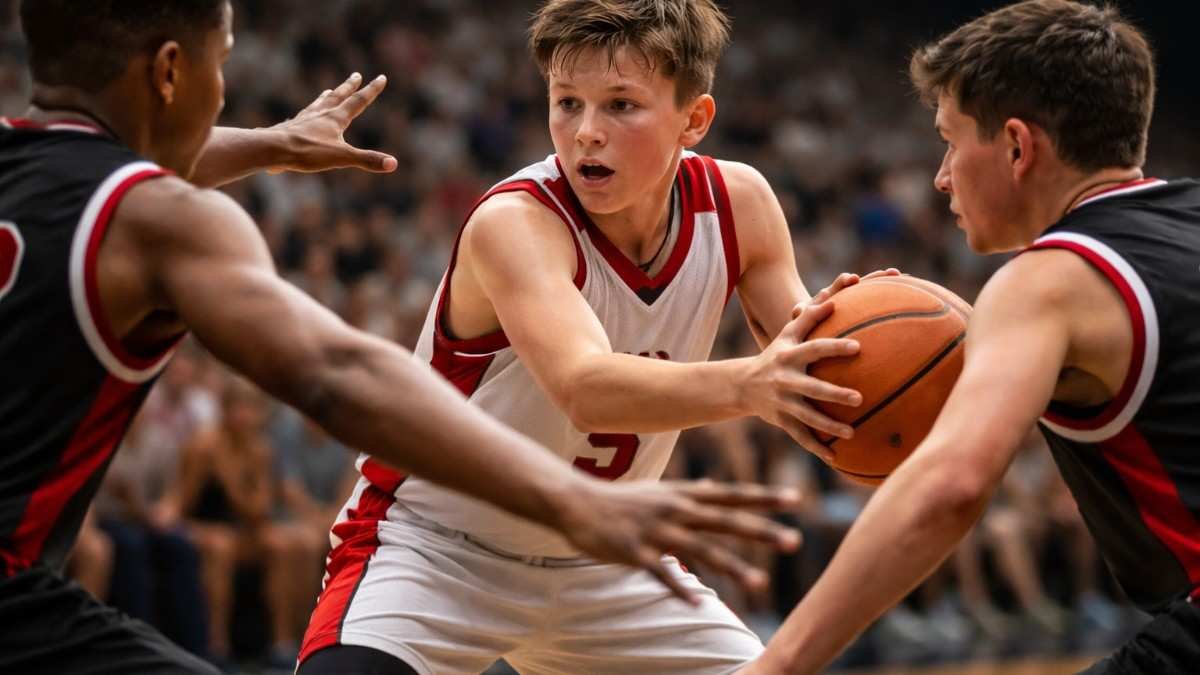
Start by becoming aware of your role within the team. Instead of focusing only on your performance, think about how your actions affect others. This awareness is the first step in building leadership.
Next, practice communication regularly. Speak clearly during games, encourage teammates, and listen actively. Leadership grows when you engage with others consistently.
Then, focus on learning from every experience. After each game or practice, reflect on what worked and what did not. This helps you improve your decision making and confidence over time.
Finally, stay consistent in your effort and attitude. Show up prepared, give your best, and maintain discipline. Leadership is built through repeated actions, not one big moment.
Frequently Asked Questions
1. What are the main ways how sports build leadership skills?
Sports build leadership skills through teamwork, communication, accountability, and handling pressure. These experiences help you grow naturally over time.
2. Can shy people develop leadership through sports?
Yes, sports create a supportive environment where even shy individuals gain confidence and improve communication gradually.
3. Do individual sports also help in leadership development?
Yes, individual sports build self discipline, decision making, and mental strength, which are key leadership qualities.
4. How long does it take to develop leadership skills through sports?
Leadership develops gradually with consistent participation, practice, and experience over time.
Build Your Sportsmanship!
Looking back, I can clearly see how sports build leadership skills through small everyday moments rather than big speeches. If you stay consistent, support your team, and learn from each experience, leadership becomes a natural part of who you are. Keep showing up, keep improving, and you will grow into someone others trust and follow.