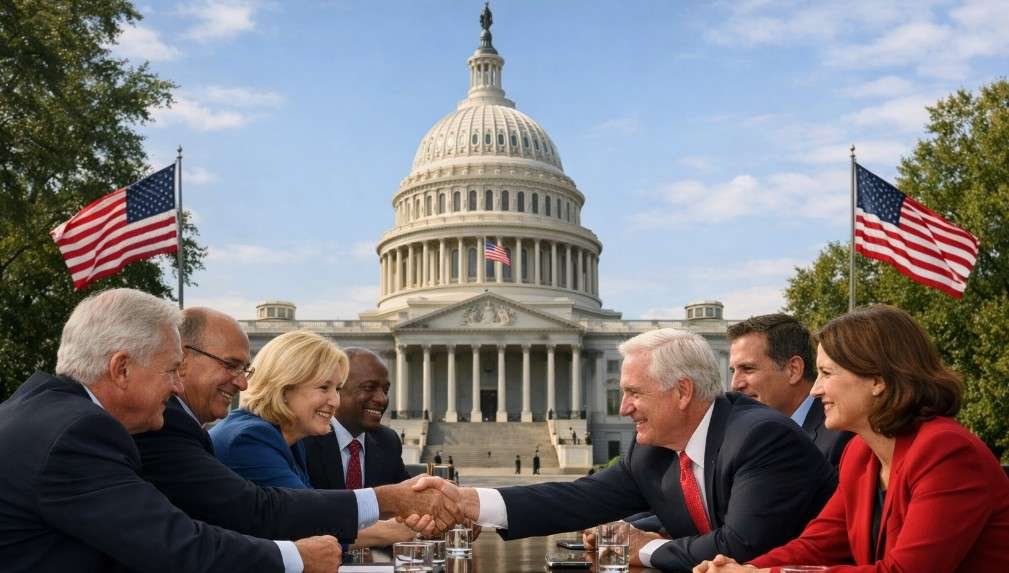

A while back I was chatting with a friend about politics and business when a simple question came up: what conservatives believe about free markets. I realized the answer is not as obvious as many people assume. Some people picture corporations running everything, while others imagine pure economic freedom with no government involvement.
The reality sits somewhere in between. Understanding what conservatives believe about free markets means looking at long standing conservative principles such as competition, personal liberty, and limited government, while also recognizing the modern debates that are reshaping conservative economic thinking in the United States.
Why Do Traditional Conservatives Believe Free Markets Work Best?
So here’s why traditional conservatives believe in free markets:
Efficiency And Innovation Through Competition
Traditional conservative thinkers often argue that free markets process information better than centralized government systems. Millions of buyers and sellers constantly adjust prices through supply and demand. This decentralized decision making helps markets respond quickly to economic changes.
Competition also drives innovation. When businesses compete for customers, they improve products, develop new technologies, and reduce costs. Conservatives often highlight industries like technology, retail, and manufacturing as examples of competition fueling economic growth.
Individual Liberty And Economic Freedom
Another major pillar of what conservatives believe about free markets is the connection between economic freedom and personal liberty. Conservatives argue that when individuals can own property, build businesses, and accumulate wealth, they gain independence from government control.
This independence creates a stronger civil society. Individuals who have a stake in the economy tend to invest in their communities, support institutions, and protect democratic freedoms.
Meritocracy And Personal Responsibility
Traditional conservatives also see free enterprise as a merit based system. They believe that people who work hard, take risks, and innovate should be rewarded. In this view, markets recognize effort and talent better than government programs.
Critics sometimes argue that markets produce inequality, but conservatives respond that opportunity remains the core principle. They emphasize that economic mobility often grows in environments where entrepreneurship is encouraged.
How Does Limited Government Fit Into What Conservatives Believe About Free Markets?

Deregulation And Business Freedom
Limited government is central to what conservatives believe about free markets. Many conservatives argue that excessive regulations increase costs for businesses and discourage investment.
Reducing unnecessary regulations allows companies to grow faster and hire more workers. Supporters believe this approach encourages innovation and competition.
Tax Cuts And Investment Incentives
Lower taxes are another policy frequently connected to conservative economic philosophy. Conservatives argue that reducing marginal tax rates allows individuals and businesses to keep more of their earnings.
When businesses retain capital they can invest in expansion, equipment, and employees. Supporters believe this creates economic growth that benefits the entire economy.
Privatization And Market Efficiency
Privatization is also commonly supported by traditional conservatives. The idea is that private companies often operate services more efficiently than government agencies.
Transferring certain services to the private sector can reduce costs and increase innovation. Many conservatives believe this approach improves overall economic performance.
Why Is Modern Conservatism Debating Free Markets Today?
Views discussed below and other similar debates appear in conservative views on immigration policy.
Globalization And Domestic Industry Concerns
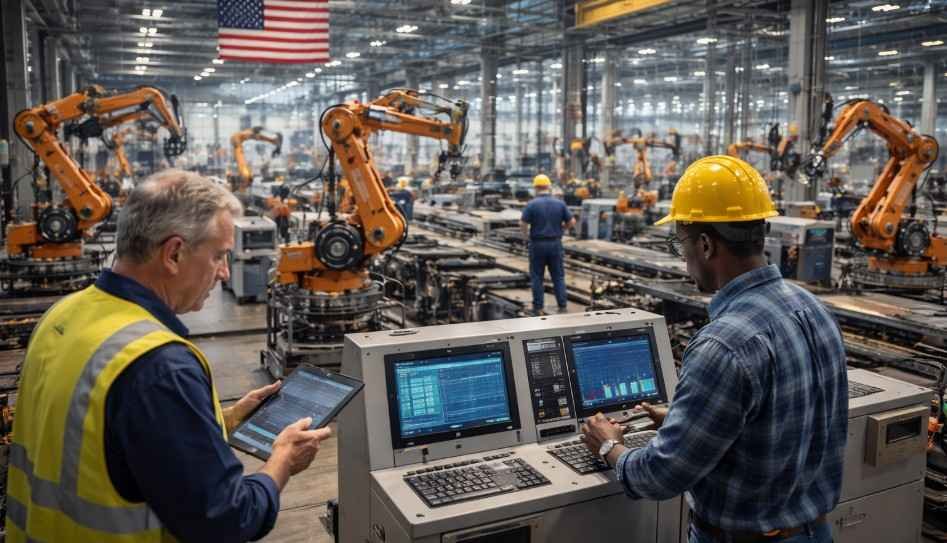
Although free markets remain a foundational conservative idea, modern politics has introduced new challenges. Globalization and outsourcing have raised concerns about the loss of domestic manufacturing jobs.
Some conservatives now question whether completely open markets always benefit national economic security. These concerns have created debates inside the movement.
Rise Of Protectionist Policies
In recent years, a populist conservative movement has pushed for tariffs and industrial policies designed to protect domestic industries. Supporters argue that these policies help preserve jobs and strengthen national security.
This perspective represents a shift from traditional free trade positions. While many conservatives still support free trade, others believe certain protections are necessary.
Skepticism Toward Large Corporations
Another emerging theme in what conservatives believe about free markets involves skepticism toward large corporations. Some conservatives argue that powerful technology companies and financial institutions influence culture and politics in ways that conflict with conservative values.
As a result, some policymakers have become more open to regulating large corporations in specific situations.
What Conservatives Believe About Free Markets?
Understanding what conservatives believe about free markets becomes easier when you break the philosophy into clear steps.

The First Part
To recognize that traditional conservative thought connects economic freedom with personal liberty. Supporters believe individuals should have the freedom to start businesses, own property, and participate in voluntary exchange.
The Second Part
Is to understand the policy framework behind these beliefs. Conservatives often support deregulation, lower taxes, and limited government intervention because they believe markets operate more efficiently when individuals make economic decisions.
The Final Part
To recognize that modern conservatism includes internal debate. Some conservatives continue supporting traditional free market principles while others advocate limited intervention to protect domestic industries and workers. Understanding both perspectives provides a more accurate view of what conservatives believe about free markets.
What Are the Key Tensions Within the Conservative Movement?
The debate surrounding what conservatives believe about free markets often centers on disagreements about trade, regulation, and the role of government in shaping economic outcomes. Traditional conservatives generally prefer minimal intervention, while newer nationalist conservatives sometimes support policies that protect domestic industries.
These differences have created an ongoing conversation about how free markets should operate in a changing global economy.
| Issue | Traditionalist View | Populist / Nationalist View |
| Trade | Supports global free trade agreements | Favors tariffs and protectionism |
| Regulation | Seek to minimize regulation | Will regulate to protect culture and jobs |
| Role of State | Government acts as referee preventing fraud | Government acts as gardener shaping industry |
Frequently Asked Questions
1. What do conservatives mean by a free market?
When discussing what conservatives believe about free markets, the term generally refers to an economic system where prices, production, and investment decisions are primarily determined by voluntary exchange rather than government control. Supporters argue that this approach promotes innovation, competition, and economic freedom.
2. Do conservatives always oppose government intervention?
Most traditional conservatives prefer limited government intervention. However, modern conservative debates show that some policymakers support targeted policies such as tariffs or industrial strategies when they believe national security or domestic industries require protection.
3. Why do conservatives emphasize property rights?
Property rights play a central role in what conservatives believe about free markets. Conservatives often argue that owning property provides individuals with independence and security. Strong property rights also encourage investment and economic development because individuals feel confident that their assets are protected.
4. How do free markets benefit consumers?
Supporters argue that competition forces businesses to improve quality and lower prices. In the conservative view, when companies compete for customers, consumers benefit through better products, more choices, and faster innovation across industries.
Conclusion
When I step back and look at the debate, what conservatives believe about free markets reflects both tradition and change. The classic view still centers on competition, individual liberty, and limited government as drivers of prosperity. Yet modern conservatives are also questioning how markets should operate in a globalized world. That tension is shaping new conversations about trade, regulation, and national priorities.
The key takeaway is simple: understanding what conservatives believe about free markets requires looking at both the philosophy behind free enterprise and the evolving ideas shaping conservative policy today.