
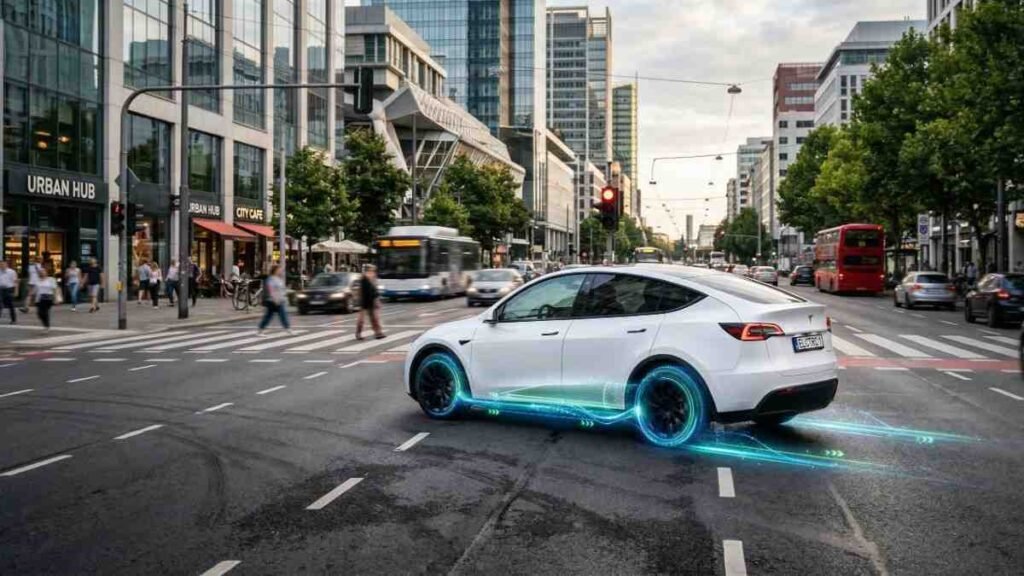
I still remember the first time I drove an electric car and felt it slow down without touching the brake. It felt strange at first, almost like the car was reading my mind. That moment pushed me to learn what is regenerative braking and why modern vehicles rely on it so heavily for efficiency and control.
What Is Regenerative Braking in Simple Terms
When someone asks me what is regenerative braking, I explain it as a smart way your car saves energy while slowing down. Instead of wasting energy like traditional brakes, it captures that energy and reuses it.
In simple words, regenerative braking converts motion into electricity. That electricity goes back into the battery, helping your car drive farther and use energy more efficiently without any extra effort from you.
What Is Regenerative Braking Technology Explained Clearly
To fully understand what is regenerative braking, you need to look at how electric and hybrid vehicles are designed. These vehicles use an electric motor that can switch roles depending on what you are doing.
Unlike traditional systems that rely only on friction, this setup allows the motor to slow the car while generating energy. It is a smart design that makes every stop more productive.
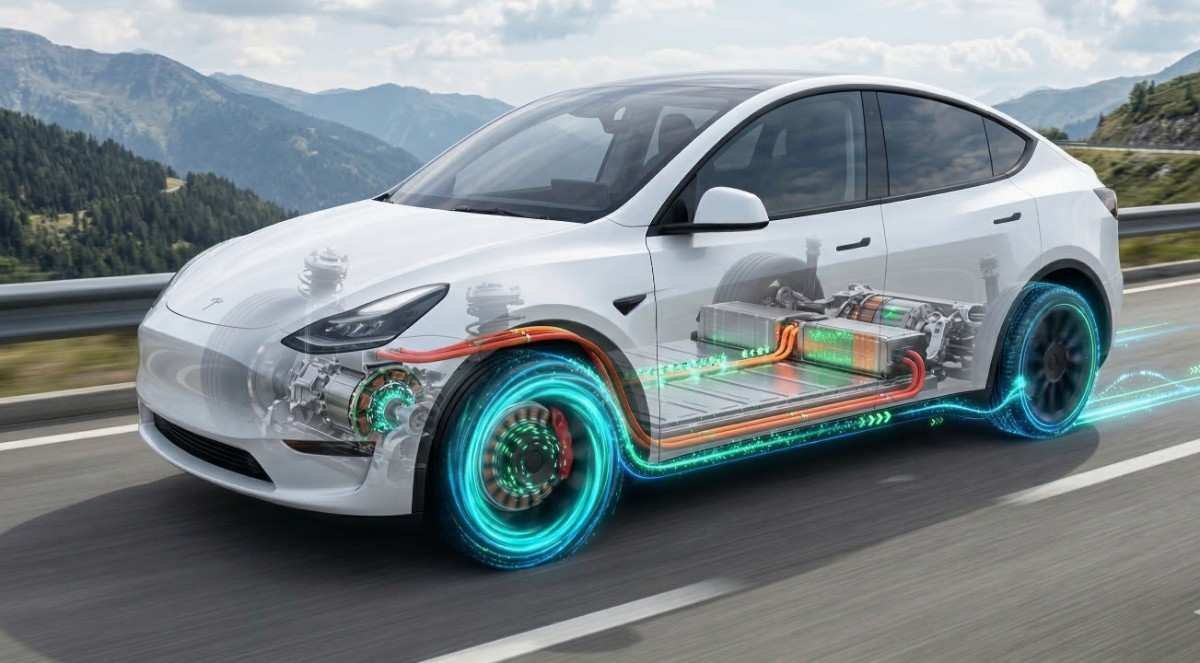
Electric motor reverses its function during slowing down
When you lift your foot off the accelerator or gently press the brake, the motor changes its job. Instead of using power, it starts producing it. This reversal creates resistance that slows the car naturally. At the same time, it begins converting that motion into usable electrical energy.
Energy conversion turns motion into stored electricity
As the wheels continue turning, they power the motor. This movement generates an electric current through magnetic resistance inside the system. That current is then directed back into the battery. Instead of losing energy, your car stores it for later use, improving efficiency over time.
Stored energy supports future acceleration
The energy collected during braking is saved in the battery pack. This stored power can be used the next time you accelerate. Over a full drive, this cycle of using and recovering energy makes a noticeable difference. It is one of the key reasons electric vehicles feel more efficient in daily use.
What Is Regenerative Braking and How It Compares to Traditional Brakes
One of the best ways to understand what is regenerative braking is by comparing it with standard braking systems. Traditional brakes rely entirely on friction to slow the car down. When you press the brake pedal, pads clamp onto rotors and create heat. That heat represents wasted energy that cannot be recovered.
A major benefit of Electric Vehicles having regenerative braking is that it reduces this waste by capturing energy instead of losing it. However, traditional brakes still play an important role, especially during sudden stops or when stronger braking is required.
Regenerative Braking Benefits for Drivers
After spending time driving with this system, I noticed several real advantages. Regenerative braking is not just about technology, it actually improves everyday driving.
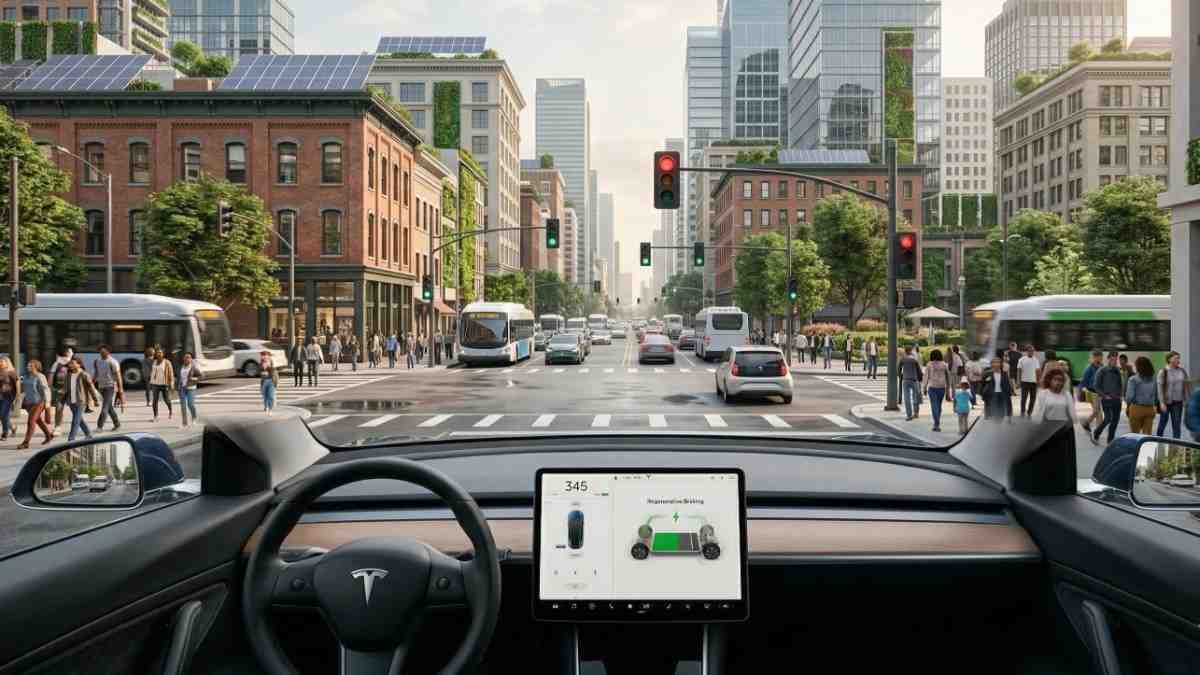
Extended driving range through energy recovery
One major benefit is improved range. By recovering energy during braking, the vehicle can reuse that energy later. In city driving, this can recover around 10 to 25 percent of energy. That means fewer charging stops and better efficiency overall.
Reduced brake wear and maintenance costs
Since the motor does much of the slowing down, traditional brake components are used less often. This reduces wear on pads and rotors. Over time, this leads to lower maintenance costs. It also means fewer replacements and a longer lifespan for braking components.
One pedal driving improves comfort and control
Many electric vehicles allow you to slow down significantly just by lifting your foot off the accelerator. This creates a smoother driving experience. Once you get used to it, driving feels more controlled and relaxed. It also reduces the need to constantly switch between pedals.
What Is Regenerative Braking Limitations You Should Know
Even though regenerative braking is efficient, it does have limitations that you should understand before relying on it fully.
Reduced effectiveness at low speeds
As the vehicle slows down, regenerative braking becomes less effective. At very low speeds, it cannot generate enough energy. This is why traditional brakes are still needed to bring the car to a complete stop safely.
Limited function when the battery is fully charged
If the battery is already full, there is no space to store additional energy. In this situation, the system reduces or disables regeneration. This means the car will rely more on friction brakes until the EV battery level drops.
Performance impact in cold weather conditions
Cold temperatures affect battery performance. When the battery is too cold, it cannot accept energy efficiently. This reduces the strength of regenerative braking until the battery warms up during driving.
How to Drive With Regenerative Braking Step by Step

If you want to understand how to use what is regenerative braking in real life, it starts with simple driving habits. First, begin driving normally and accelerate smoothly as you would in any car.
Next, instead of immediately pressing the brake, lift your foot off the accelerator. You will feel the car slow down as the system starts recovering energy.
As you continue driving, adjust your timing. Start easing off the accelerator earlier when approaching stops. This allows the system to do more of the work.
Finally, use the brake pedal when needed for stronger stopping. Over time, you will naturally rely more on smooth deceleration rather than sudden braking.
Regenerative Braking in Real World Driving Situations
In Everyday Driving
Regenerative braking performs best in city environments where frequent stopping is common. Each stop becomes an opportunity to recover energy.
In Highway Driving
The effect is less noticeable because there are fewer braking events. However, it still works during gradual slowdowns.
Driving Downhill
Another situation where it becomes extremely useful. Instead of overheating brakes, the system helps control speed while storing energy.
Frequently Asked Questions
1. Does what is regenerative braking fully stop the car?
It can slow the car significantly, but full stops usually require traditional brakes, especially at low speeds.
2. Is regenerative braking only used in electric vehicles?
No, it is used in both electric and hybrid vehicles, though it is more effective in fully electric models.
3. Does regenerative braking improve battery life?
Yes, it helps extend range by recovering energy and reducing the need for frequent charging.
4. Can regenerative braking fail or stop working?
It can be limited in certain conditions like full battery or cold weather, but traditional brakes always provide backup.
Final Thoughts on What Is Regenerative Braking
Now that you clearly understand what is regenerative braking, you can see how it transforms everyday driving into something smarter and more efficient. From my experience, the key is learning to anticipate stops and ease off the accelerator early. Once you adapt, driving feels smoother, more controlled, and surprisingly satisfying every single time.