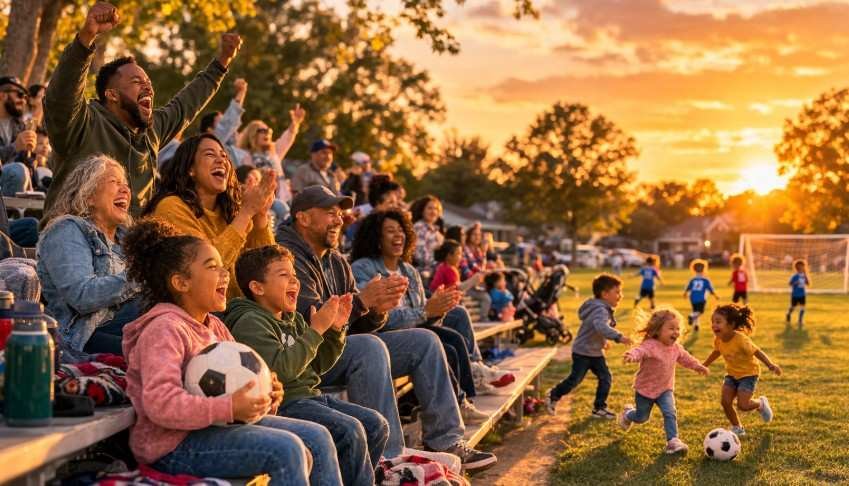
A few years ago I attended a neighborhood soccer match where I barely knew anyone sitting around me. By the end of the game we were all cheering, clapping, and celebrating together as if we had been friends for years.
That small moment made me realize something powerful about communities and connection. It perfectly explains why sports unite communities in ways that few other activities can. Sports naturally bring people together around a shared experience.
Why Sports Unite Communities Through Shared Identity and Pride
One of the strongest explanations for why sports unite communities is the powerful sense of shared identity that sports create. Supporting a team naturally builds a feeling of collective pride among fans and residents.
When a local team plays, people wear the same colors, celebrate the same victories, and rally around the same symbol of community pride. Sociologists often refer to this as in group identity. The success of the team feels personal because the team represents the community itself.
This shared social identity strengthens emotional connections among residents. A championship win can make an entire town feel united and energized. Even defeats can strengthen solidarity because fans experience the moment together.
The Psychology of Collective Pride
When fans cheer for the same team, they begin to see themselves as part of a larger group. This group identity boosts confidence and strengthens community bonds.
A local sports victory often feels like a win for the entire neighborhood. People celebrate together, talk about the game for days, and share the memory. Those shared experiences deepen relationships within the community.
How Sports Bridge Social Divides and Bring People Together
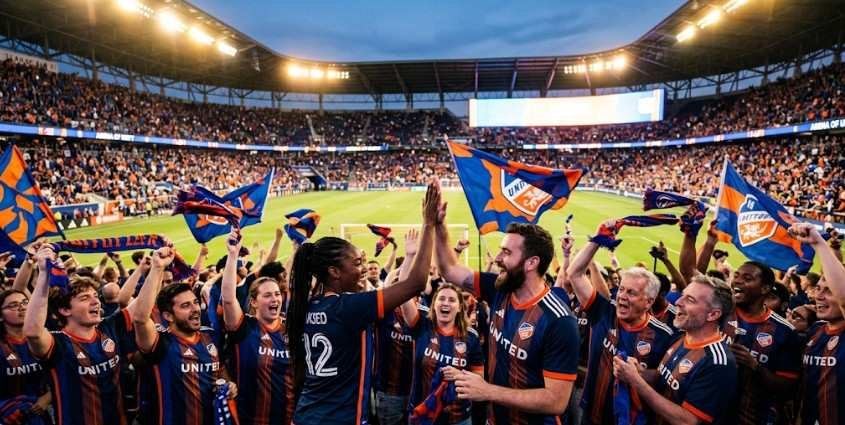
Another key reason why sports unite communities is their ability to bridge cultural and social differences. Sports create environments where individuals from different backgrounds interact naturally.
On a sports field everyone follows the same rules and works toward the same objective. Differences in language, culture, religion, or economic status become less important because the focus shifts to teamwork and competition.
Community programs around the world use sports specifically to promote social harmony. Initiatives such as Football for Peace demonstrate how the most popular sport in the world can reduce stereotypes and encourage cooperation among diverse groups.
Game Day Rituals That Turn Strangers Into Community
Another major factor explaining why sports unite communities is the role of social rituals surrounding games. Sporting events create regular opportunities for people to gather and interact.
Game days often become community traditions. Families attend matches together, neighbors watch games at local venues, and fans discuss strategies long after the final whistle. These shared rituals help communities maintain strong social connections.
Sociologists sometimes refer to these gathering places as third spaces. They exist outside work and home environments and allow individuals to build friendships and informal social networks.
Local Sports as Engines of Civic Pride and Economic Activity
Sports also contribute to community unity through economic and civic activity. Major sporting events often stimulate local economies and encourage residents to participate in community development.
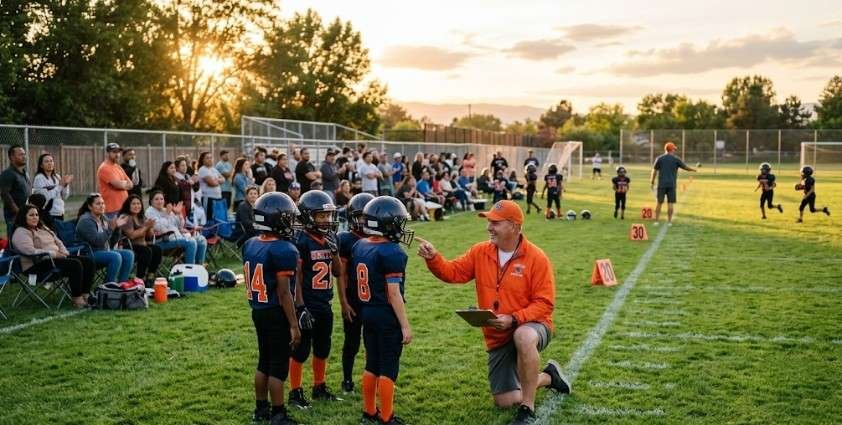
Local tournaments, school competitions, and regional championships attract visitors and generate business for nearby shops and restaurants. Communities frequently invest in improved parks, stadiums, and recreational facilities because of sports.
Equally important is the culture of volunteerism that sports encourage. Parents coach teams, neighbors organize leagues, and residents support local athletes. These collaborative efforts strengthen the community’s social fabric.
Youth Sports Programs That Build Mentors and Future Leaders
Youth programs provide another strong explanation for why sports unite communities. Local sports leagues offer structured environments where young people develop valuable life skills while connecting with mentors and peers.
Through sports, children learn teamwork, discipline, resilience, and communication. Coaches often serve as role models who guide players both on and off the field.
Families also become part of the community sports ecosystem. Parents support games, organize activities, and build friendships with other families through shared involvement.
The Emotional Energy That Bonds Fans and Communities
One fascinating psychological reason why sports unite communities is emotional synchronization. When fans experience the same emotional highs and lows together, powerful social bonds form.
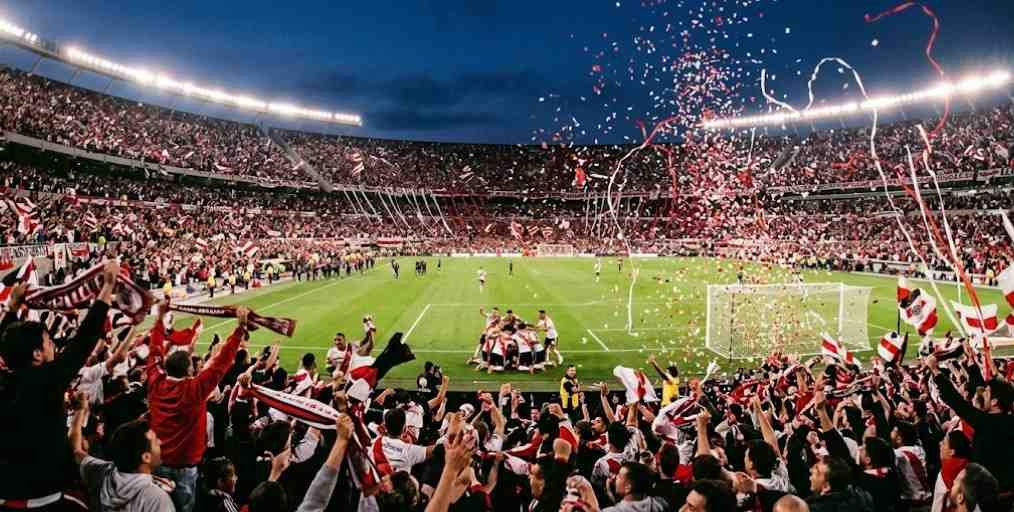
Crowds react collectively to key moments in a game. Thousands of people cheering simultaneously creates a shared emotional experience that strengthens group identity.
Psychologists describe this phenomenon as emotional contagion. The excitement of one person spreads quickly to others, amplifying the sense of unity within the crowd.
3 Reasons Why Sports Unite Communities
First: Build Accessible Community Programs
The first step in understanding why sports unite communities is ensuring sports opportunities are accessible to everyone. Communities can organize open leagues, public tournaments, and recreational activities that encourage broad participation.
Accessible programs allow people of different ages and backgrounds to join the same activities. This shared participation creates opportunities for new friendships and stronger neighborhood connections.
Second: Two Encourage Community Participation
The next step involves inviting residents to participate beyond playing. Community members can volunteer as coaches, referees, organizers, or event supporters.
When more residents become involved, sports transform from simple games into community wide experiences. Participation strengthens civic pride and encourages collaboration among neighbors.
Third: Celebrate Community Achievements
Finally communities should celebrate sports achievements collectively. Hosting award ceremonies, local celebrations, or recognition events highlights the accomplishments of athletes and teams
These celebrations reinforce community pride and strengthen social connections. Shared victories remind residents why sports remain such a powerful tool for community connection.
Frequently Asked Questions
1. Why sports unite communities across different cultures
The main reason why sports unite communities across cultures is that sports provide a shared activity that everyone can understand. Games create common goals and emotional experiences. When people cheer for the same team or play together, cultural differences become less significant and mutual respect grows.
2. How do local sports teams strengthen neighborhoods
Local teams strengthen neighborhoods by creating shared pride and regular social interaction. Residents gather for games, volunteer in youth leagues, and support athletes together. These activities help neighbors build relationships and create a sense of belonging within the community.
3. Can youth sports improve community relationships
Yes, youth sports play an important role in strengthening community relationships. Families, coaches, and volunteers collaborate to support young athletes. This cooperation encourages trust, communication, and teamwork among residents while helping young people develop leadership and social skills.
4. Do major sporting events also unite communities
Major sporting events often unite communities on a large scale. Cities organize public watch parties, festivals, and celebrations around major competitions. These shared experiences bring thousands of people together and reinforce collective identity and community pride.
The Lasting Power of Why Sports Unite Communities
Understanding why sports unite communities reveals how powerful shared experiences can be. Sports create collective identity, bridge social divides, and encourage civic engagement across neighborhoods.
When people cheer together, volunteer together, and celebrate victories together, they strengthen the social bonds that hold communities together. These connections often extend far beyond the playing field.