
I remember watching a championship game with friends when the conversation shifted from player stats to protests and national pride. It felt strange at first. But that moment revealed why sports and politics intersect.
Sports shape identity, power, and public opinion, and major events often become stages where social values and political tensions play out before millions of viewers worldwide.
How Athletes Shape Political Conversations
Athletes as influential platforms for social change
Athletes Have Massive Cultural Influence
Professional athletes command huge audiences through television, social media, and endorsements. When they speak about social or political issues, millions pay attention instantly.
Athlete Activism Has a Long History
Athletes have long used their platforms to highlight important causes. Muhammad Ali refused the Vietnam War draft in the 1960s. Decades later, NFL quarterback Colin Kaepernick kneeled during the national anthem to protest police brutality.
Athlete Voices Shape Public Debate
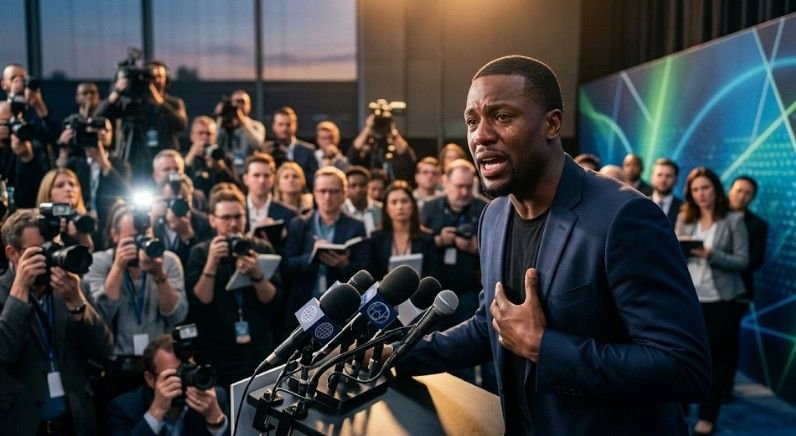
Because athletes influence culture, their actions often move beyond sports headlines. Their messages spark wider conversations about justice, equality, and public policy, showing why sports and politics intersect so frequently today.
When National Pride Turns Sports Political
International competitions and national identity:
Global Sports Represent National Identity
International tournaments like the Olympics and FIFA World Cup are more than competitions. They allow countries to showcase culture, pride, and national identity on a global stage.
Fans Connect Teams With National Pride
Supporters often see their teams as symbols of national strength and unity. Governments recognize this emotional connection and celebrate victories as achievements for the entire country.
Rivalries Create Political Narratives
When nations compete, symbolic rivalries emerge. Wins and losses can be interpreted as signs of national progress or cultural influence, showing why sports and politics intersect so closely in global events.
As a Tool of Diplomacy and Power
Majorly sports has been a diplomatic and geopolitical tool:
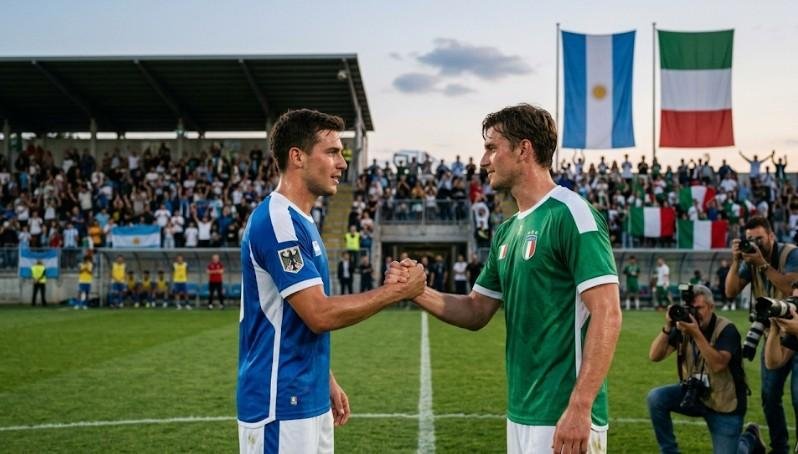
Sports as Diplomatic Tools
Sports have often been used to support diplomacy and international dialogue. Governments sometimes organize sporting exchanges to improve relationships between rival nations. A famous example is Ping Pong diplomacy in the 1970s, when table tennis exchanges helped ease tensions between the United States and China.
Hosting Events Shapes Global Image
Major tournaments such as the Olympics or World Cup allow countries to showcase development, infrastructure, and culture to the world. Hosting these events can strengthen a nation’s global reputation.
Sportswashing and Political Image
Some governments host mega sporting events to improve their international image despite criticism of policies or human rights. This practice, often called sportswashing, highlights another reason why sports and politics intersect.
How Sports Fuel Social Change
Sports as a mirror of societal movements:
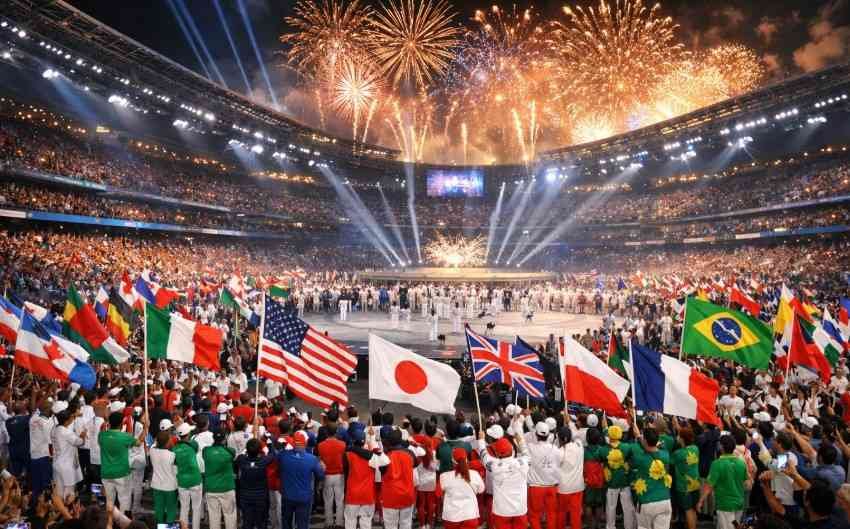
Reflection of Social Movements through Sports
Sports often mirror the social and political changes happening in society. When major cultural shifts occur, similar changes frequently appear within sports leagues, teams, and fan communities.
Jackie Robinson and the Civil Rights Era
In 1947, Jackie Robinson broke Major League Baseball’s color barrier. His entry into professional baseball challenged racial segregation and reflected the growing momentum of the Civil Rights Movement.
Stadiums as Cultural Mirrors
Moments like these show how sports reveal society’s struggles and progress. Stadiums become public stages where millions witness social transformation, showing why sports and politics intersect across generations.
Historic Moments That Prove Sports and Politics Intersect
Key historic examples of political moments in sports:
Historic Events Reveal Political Tensions
History offers many examples that explain why sports and politics intersect. Major sporting events often become symbolic moments where global tensions, ideologies, and political messages appear on the world stage.
Berlin Olympics and Jesse Owens
The 1936 Berlin Olympics were used by Nazi Germany to promote racial ideology. However, American athlete Jesse Owens won four gold medals, challenging that narrative and showing the power of sports to confront political propaganda.
Olympic Protests and Global Politics
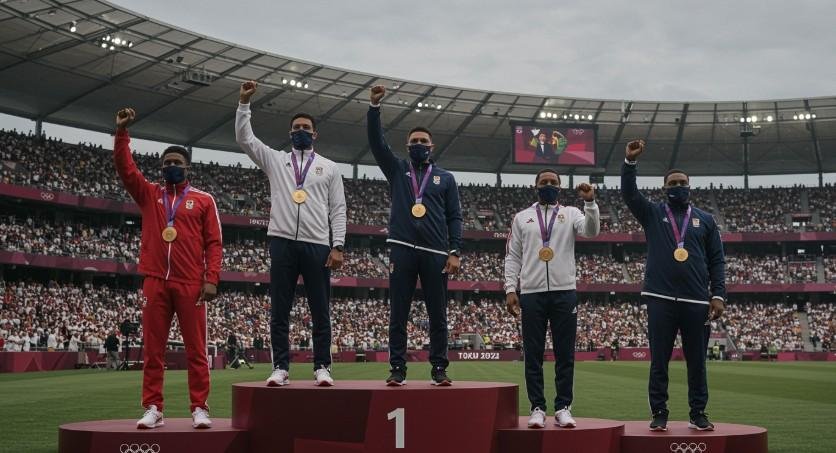
In 1968, Tommie Smith and John Carlos raised the Black Power salute during the Mexico City Olympics, creating an iconic civil rights moment. In 1980, the United States led a boycott of the Moscow Olympics after the Soviet invasion of Afghanistan.
Modern Sports Sanctions
In recent years, international sports organizations have restricted Russian and Belarusian teams following geopolitical conflicts. These decisions show how modern sports institutions can act as political actors on the global stage.
How to Understand the Link Between Sports and Politics
Step 1: Recognize sports as a cultural institution
The first step to understanding why sports and politics intersect is recognizing that sports shape cultural identity. Sports represent communities, cities, and nations. Because identity and pride are involved, political meaning naturally becomes attached to sporting events.
Step 2: Observe how governments support sports
The next step is to look at how governments interact with sports organizations. Public funding for stadiums, international event hosting, and national training programs often require political approval. These financial connections link sports to policy decisions and public debate.
Step 3: Watch how athletes influence public conversations
The final step is observing how athletes and media platforms shape public dialogue. When athletes use their platforms to speak about social issues, their influence can spark global conversations about justice, equality, or national values. Media coverage then amplifies those messages worldwide.
Frequently Asked Questions
1. Why sports and politics intersect in global competitions
International competitions often represent national pride and identity. When countries compete, the results can symbolize political strength or cultural influence. Governments and media outlets sometimes frame victories or losses within broader national narratives, which naturally links sports and politics.
2. Why sports and politics intersect through athlete activism
Athletes have enormous visibility and cultural influence. When they express opinions about social issues, millions of people hear their message. This visibility turns sports arenas into powerful platforms for activism and public discussion about political or social topics.
3. Why sports and politics intersect in international diplomacy
Governments often use sports to improve relationships with other nations or strengthen their global reputation. International tournaments provide opportunities for diplomacy, cultural exchange, and political messaging that extend far beyond the competition itself.
4. Why sports and politics intersect with public opinion
Sports victories can shape public mood and even influence political attitudes. Research suggests that successful teams sometimes boost community morale and approval ratings for local leaders. Because sports affect emotions and identity, they can also influence public perception in political contexts.
Why Sports and Politics Intersect in the Real World
Once you start noticing the patterns, it becomes obvious why sports and politics intersect so often. Sports bring together national identity, powerful personalities, international competition, and massive audiences. When those elements combine, political meaning almost always follows.
Understanding why sports and politics intersect allows you to watch games with a deeper perspective. The next time you see a major sporting event making headlines, remember that the story may be bigger than the scoreboard. Sometimes the most important moments in sports reveal the changing values of society itself.