The first time I watched a friend run for local office, I expected politics to rely on wealthy donors and big checks. Instead, volunteers shared donation links and neighbors contributed small amounts online. That experience showed me how political campaigns raise money and why fundraising powers every part of a campaign, from advertising to building support networks.
Why Do Political Campaigns Need Fundraising?
Political campaigns operate like fast moving organizations with tight timelines. From the moment a candidate announces a campaign, the team must build infrastructure that includes advertising, staff, and voter outreach.
Fundraising makes these operations possible. Campaigns use money to run television and digital ads, organize volunteers, conduct polling, and travel across districts. Even simple campaign materials such as yard signs, flyers, and websites require financial support.
Beyond funding logistics, early fundraising success also sends a powerful signal. When a candidate raises significant money early in the race, party leaders, donors, and media outlets often view that campaign as viable and competitive. This is one reason why understanding how political campaigns raise money matters so much in modern elections.
What Are the Main Sources Explaining How Political Campaigns Raise Money?
Small Dollar Grassroots Donations
The small dollar donor movement has transformed campaign fundraising over the past decade. Instead of relying entirely on wealthy contributors, campaigns now collect thousands of smaller donations through online platforms.
Supporters might contribute five or twenty dollars through digital fundraising tools such as ActBlue or WinRed. When thousands of people donate small amounts, the total quickly becomes significant.
This grassroots model also carries symbolic power. Candidates who rely on many small donors can claim that their campaign represents a broad base of supporters rather than a handful of powerful interests. That shift explains a major part of how political campaigns raise money in the digital era.
High Dollar Fundraising Events
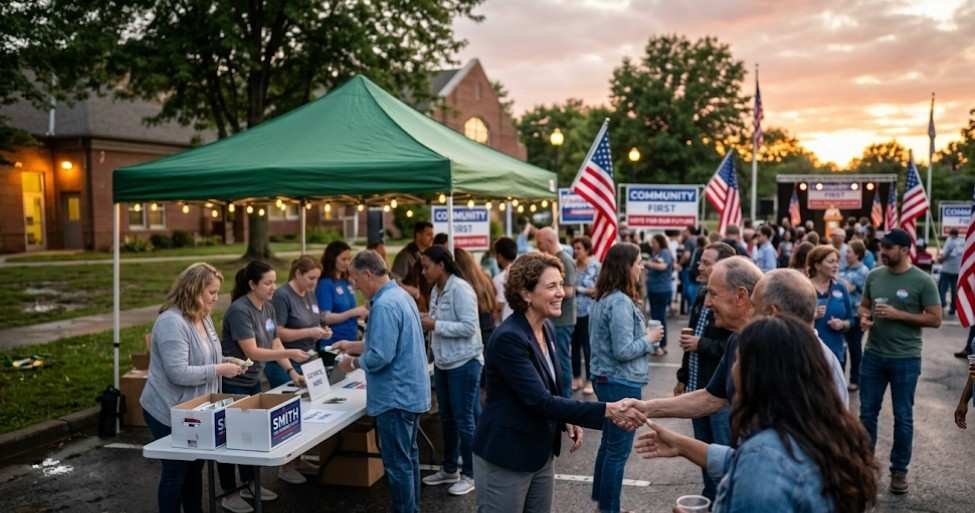
Traditional fundraising events still play a central role in many campaigns. These gatherings often include dinners, receptions, or private meetings with donors who contribute larger amounts.
At these events, attendees typically pay the maximum legal donation allowed under election laws. For federal races in the United States, individuals can donate up to a specific limit per election cycle.
Campaigns also rely on “bundlers.” These supporters collect donations from their professional networks and present them together to the campaign. Bundlers help candidates reach large fundraising targets quickly while expanding the donor network.
PACs and Super PACs
Political Action Committees, commonly called PACs, represent another major fundraising channel. These groups are often organized by businesses, labor unions, or advocacy organizations that want to support candidates aligned with their interests.

PACs can donate directly to campaigns within strict legal limits. Their contributions often help candidates cover operational costs or early advertising efforts.
Super PACs operate differently. They can raise unlimited funds from corporations and individuals, but they cannot coordinate directly with a candidate’s campaign. Super PACs usually spend money on independent advertising campaigns that support or oppose specific candidates.
Personal Wealth and Self Funding
Some candidates bring personal wealth into their campaigns. Election laws allow candidates to spend unlimited amounts of their own money on their races.
Self funding can provide an early advantage. Wealthy candidates may launch campaigns quickly without waiting for donations to accumulate.
However, relying too heavily on personal wealth can also create political risks. Voters sometimes view self funded campaigns skeptically if they feel a candidate is trying to purchase influence or bypass grassroots support.
Call Time Explains How Political Campaigns Raise Money
The Daily Donor Outreach Routine
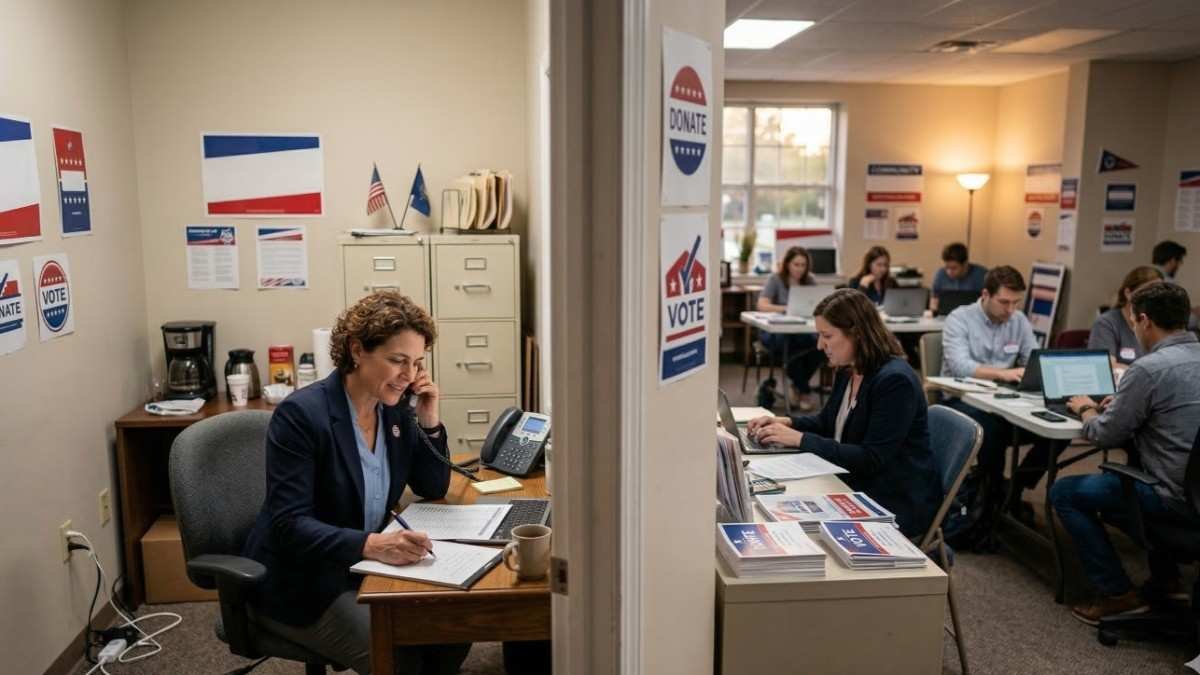
One of the least glamorous parts of campaign life is something insiders call “call time.” Candidates spend hours each day calling potential donors and asking for contributions. Campaign teams usually prepare detailed donor lists with notes about relationships and previous contributions. The candidate works through these lists in a quiet room, often dialing dozens of contacts each hour.
Although many candidates dislike this process, call time remains one of the most reliable ways to secure donations. Direct conversations build trust and allow candidates to explain their vision personally. That is why call time remains central to how political campaigns raise money today.
How to How Political Campaigns Raise Money Step by Step
The process behind how political campaigns raise money usually begins with building a donor network.

Step 1:
Campaign teams start by identifying friends, family members, local supporters, and community leaders who believe in the candidate’s message. These early supporters often provide the first donations that help launch the campaign.
Step 2:
Next, campaigns create fundraising infrastructure. This includes setting up online donation pages, building email lists, and preparing messaging that explains why the campaign deserves financial support. Digital tools make it easy for supporters to contribute instantly.
Step 3:
The third step involves expanding outreach through events and networking. Candidates attend community gatherings, host fundraising dinners, and connect with advocacy groups that share their priorities. These interactions help the campaign attract new donors and strengthen relationships with existing supporters.
Step 4:
Finally, campaigns maintain ongoing engagement with donors. They send updates, thank supporters, and continue asking for contributions throughout the election cycle. This consistent communication ensures that fundraising momentum continues until election day.
Why Does Early Fundraising Matter in Elections?
Early fundraising success shapes how political races unfold. When candidates raise large amounts of money early in a campaign, it signals strength and organizational capability.
Political analysts sometimes call this stage the “invisible primary.” During this period, donors, media outlets, and party leaders evaluate candidates based on fundraising performance before most voters pay attention.
Strong fundraising numbers can discourage challengers from entering the race and attract additional donors who want to support a competitive campaign. This dynamic explains why mastering how political campaigns raise money can determine a campaign’s long term success.
Frequently Asked Questions
1. What is the most common way campaigns raise money?
Most campaigns rely on a mix of grassroots online donations, fundraising events, and direct donor outreach through phone calls or email campaigns.
2. Are small donations really important in modern campaigns?
Yes. Thousands of small online contributions can generate millions of dollars and show that a candidate has widespread grassroots support.
3. Can companies donate directly to candidates?
Corporations cannot donate directly to federal candidates, but they can contribute through political action committees that support specific campaigns.
4. Do candidates spend their own money on campaigns?
Some candidates self fund their campaigns. Election laws allow unlimited personal spending, though most candidates still rely heavily on donors.
Conclusion
When I first saw a campaign operating behind the scenes, I realized that how political campaigns raise money is both strategic and deeply human. It combines technology, relationships, persuasion, and persistence.
From small online donations to large fundraising events, each contribution fuels the effort to reach voters. Understanding this process makes politics easier to follow and reminds us how collective support shapes elections.