A few years ago, I kept hearing politicians argue about states’ rights and federal authority, but I realized most people—including me—didn’t fully understand how that balance actually works. The debates felt loud and complicated, yet the core idea turned out to be surprisingly practical.
Once I started paying attention to real court decisions and policy fights, I saw how the system plays out in everyday life. Education rules, environmental policies, healthcare regulations—many of these battles revolve around states rights vs federal government explained in action.
Over time, I built a simple routine for following these issues. Instead of treating them like abstract legal theory, I started viewing them as real decisions that shape daily life across the country. That perspective made federalism easier to understand—and honestly, a lot more interesting.
Why does states rights vs federal government explained matter in everyday life?

When I think about federalism, I picture two layers of government working at the same time. The national government handles big national issues, while states manage many local policies that affect daily routines.
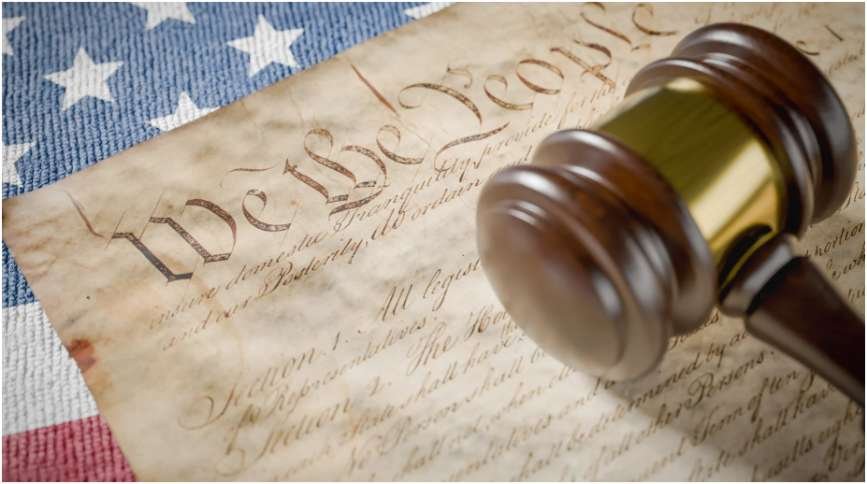
The Constitution sets this structure through a system called federalism, where power splits between federal and state governments. I often explain it to friends this way: Washington sets the big framework, while states fill in the details that fit their communities.
The 10th Amendment protects state authority. It states that powers not specifically granted to the federal government belong to the states or the people. That principle explains why states control areas like education systems, driver’s licenses, and elections.
But the balance does not always stay peaceful. When federal laws conflict with state policies, the Supremacy Clause from Article VI says federal law wins. That tension creates the constant tug-of-war that defines states rights vs federal government explained.
How do federal and state powers actually differ?
When I first tried to understand the system, I made a simple comparison chart. Seeing the roles side by side helped me remember who does what.
| Federal Powers | State Powers | Shared Powers |
| Declaring war | Running public schools | Collecting taxes |
| Printing money | Issuing licenses | Building infrastructure |
| Regulating interstate commerce | Conducting elections | Creating courts |
| Foreign affairs | Public safety laws | Enforcing laws |
I realized something important while studying this chart: the system encourages experimentation.
States can test different policies before they spread nationwide but as a limited government. Education programs, environmental policies, and healthcare systems often start at the state level before influencing federal law.
That flexibility explains why debates about states rights vs federal government explained continue to shape modern politics.
How did recent Supreme Court rulings change states rights vs federal government explained?

During the past few years, several Supreme Court decisions dramatically shifted how states challenge federal agencies.
One of the biggest changes came from Loper Bright Enterprises v. Raimondo (2024).
For decades, courts followed a rule called Chevron Deference, which required judges to trust federal agency interpretations when laws appeared unclear. Agencies like the EPA or IRS gained enormous influence under that system.
The Supreme Court ended that rule.
Now judges must use independent judgment instead of automatically siding with federal agencies. That shift makes it easier for states to challenge regulations.
Another major decision came from Corner Post v. Federal Reserve (2024).
The Court ruled that states and businesses can challenge federal regulations when the rule first harms them, not when the rule originally appeared. That change allows lawsuits against regulations that existed for years but only recently affected a state.
Together, these rulings reshaped the legal battlefield for states rights vs federal government explained.
Why do environmental laws spark the biggest state vs federal fights?

Environmental regulations often trigger the most dramatic clashes between federal agencies and state governments.
I noticed this pattern while tracking debates around the Waters of the United States (WOTUS) rule. After the Supreme Court’s Sackett v. EPA decision, regulators rewrote the rule in 2025 to narrow federal authority.
The updated rule focused on “relatively permanent” surface waters and excluded groundwater from federal oversight. Officials made those changes partly to avoid lawsuits from states that argued the federal government overreached.
Another fascinating case involves Suncor Energy v. Boulder County, where local governments sued oil companies under state law for climate damages.
The Supreme Court agreed to review whether federal law should override those state lawsuits. These environmental battles illustrate how states rights vs federal government explained continues to evolve through court decisions.
Why does healthcare policy create so many state challenges?

Healthcare regulation brings another wave of federal-state conflicts.
In 2025, a coalition of twenty states filed a lawsuit claiming federal officials improperly shared Medicaid enrollee data with immigration authorities. State leaders argued that the move violated privacy protections and damaged public trust in health programs.
Vaccine policies also triggered disputes. Several states challenged changes to the national childhood immunization schedule and began creating independent state guidance.
Even the Affordable Care Act marketplaces sparked litigation when states challenged new federal rules that shortened enrollment periods and changed coverage requirements.
These fights show how healthcare policy plays a central role in states rights vs federal government explained.
How do I personally follow states rights vs federal government explained without getting overwhelmed?
Over time, I created a simple routine for staying informed without drowning in legal jargon.
Step 1 — Start with Supreme Court decisions
When I see a new case headline, I read a summary from trusted legal sources like SCOTUSblog. The Court often sets the rules that shape federal-state power.
Step 2 — Watch how states respond
After major rulings, states quickly adjust policies or file lawsuits. Following those reactions helps me understand how the decision affects real policies.
Step 3 — Focus on a few key policy areas
I pay attention to environmental law, healthcare, and economic regulation. Those fields generate most federal-state conflicts.
Step 4 — Track the pattern, not just the headlines
When I step back and observe the broader trend, I see how the balance of power shifts over time.
This habit helps me understand states rights vs federal government explained without feeling buried in legal complexity.
Key Takeaways: states rights vs federal government explained
| Key Insight | Why It Matters |
| Federalism divides power between national and state governments | Prevents centralized authority |
| The 10th Amendment protects state authority | States manage many local policies |
| The Supremacy Clause favors federal law in conflicts | Maintains national consistency |
| Recent Supreme Court rulings reduced agency power | Courts now interpret laws independently |
| States increasingly challenge federal regulations | Environmental and healthcare laws drive many disputes |
FAQ: states rights vs federal government explained
1. Why do states challenge federal laws so often?
States challenge federal laws when they believe Washington exceeded constitutional authority. Many disputes involve environmental rules, healthcare policies, or economic regulations that directly affect state programs or budgets.
2. What is the Major Questions Doctrine?
The Major Questions Doctrine says federal agencies must receive clear permission from Congress before making rules with major economic or political impact. Courts use this principle to prevent agencies from expanding authority without legislation.
3. Why did ending Chevron Deference matter?
Ending Chevron Deference changed how courts review federal regulations. Judges now interpret laws independently rather than relying on agency expertise. That shift gives states and businesses stronger legal arguments against federal rules.
4. Do states always win these cases now?
Not at all. States still lose many lawsuits. However, recent rulings made it easier for them to challenge federal regulations and ask courts to review agency authority more carefully.
The Never-Ending Tug-of-War Between Washington and the States
After following these debates for a while, I realized something important: the balance between federal and state power never stays fixed.
Court rulings shift the rules. Elections change policy priorities. States test boundaries while the federal government pushes national standards.
That constant push and pull defines states rights vs federal government explained in real life.
My personal rule stays simple: whenever a new policy debate appears in the news, I ask one question—who should decide this, Washington or the states?
That question alone explains most of the arguments shaping American government today.