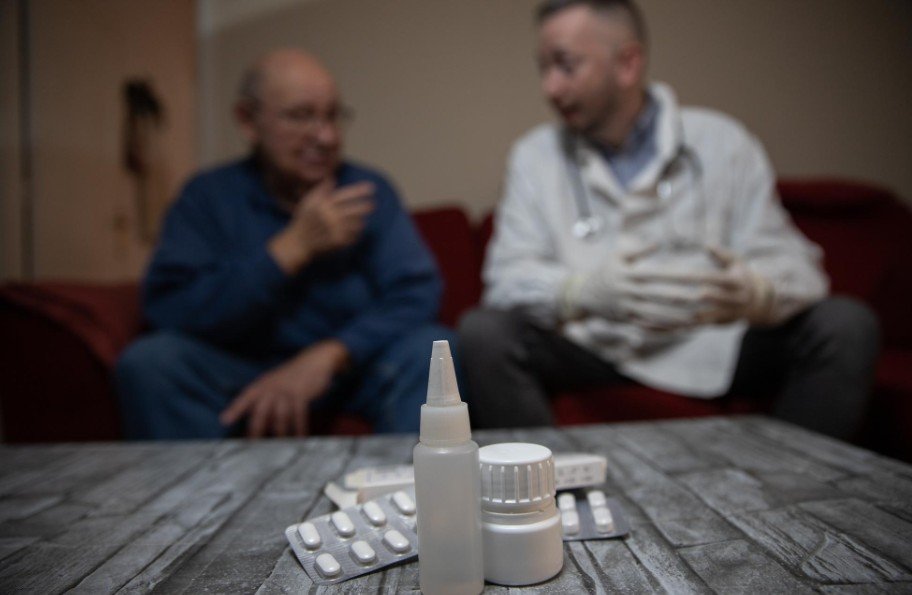

I think the hardest part of getting healthcare can happen before anyone enters a clinic. Finding an affordable appointment, understanding unfamiliar instructions, or arranging transportation can become exhausting. A trusted community connection can make that first step feel manageable.
That is why Faith-based organizations and community healthcare deserve attention together. Religious communities can offer relationships, gathering spaces, and practical support that help people reach professional services. Their contribution becomes most valuable when compassion connects with trained providers, clear responsibilities, and dependable follow-up.
What Are Faith-Based Healthcare Organizations?
Faith-based organizations draw their mission or identity from religious beliefs. Their healthcare activities vary considerably, from volunteer outreach within congregations to professionally staffed clinics and hospitals.
A place of worship might host health education, coordinate appointment transportation, or provide space for visiting clinicians. A faith-affiliated clinic may deliver medical services through qualified professionals. Understanding this distinction helps families choose appropriate support.
Spiritual encouragement can accompany healthcare, but diagnosis, treatment, and medication decisions belong with appropriately qualified practitioners. Effective partnerships make those boundaries clear from the beginning.
How Do Faith Communities Help People Access Care?

Building Relationships Before Problems Escalate
People may discuss concerns with someone they already know before approaching an unfamiliar institution. Community leaders and volunteers can listen, share accurate information, and help residents identify suitable services.
Trust should never become an assumption that everyone feels comfortable in religious settings. Programs work better when they welcome questions, respect different beliefs, and offer alternative ways to participate.
Connecting Screening With Follow-Up
Blood-pressure checks and other screening activities can introduce people to preventive healthcare. Their usefulness depends on what happens afterward.
An abnormal result needs an appropriate explanation and a clear referral pathway. Someone should know which provider accepts referrals, how appointments are arranged, and whether participants need help overcoming access barriers.
Screening identifies possible concerns; it does not automatically establish a diagnosis or complete treatment.
Addressing Everyday Obstacles
Transportation, language barriers, caregiving duties, and unfamiliar paperwork can interrupt access to care. Community partnerships can consider these obstacles when designing services.
For example, an outreach team might coordinate interpreters, explain appointment instructions, or connect families with existing assistance programs. Support should reflect verified local needs rather than assumptions about what residents require.
What Can Real Partnership Examples Teach Us?
Documented programs have brought health promotion into churches, mosques, and gurdwaras through collaborations involving community organizations and healthcare professionals.
One historical initiative combined volunteer blood-pressure monitoring with health coaching, referrals, and healthier communal meals. Another used culturally adapted education and lay health workers to help women navigate breast and cervical cancer screening.
These examples illustrate different approaches to Faith-based organizations and community healthcare. One focused on cardiovascular prevention within familiar community settings; the other addressed education and screening navigation.
Their broader lesson is practical: adapt delivery to the community while maintaining evidence-based health information and addressing concerns such as medical debt and impact on working families. Historical program descriptions should not be treated as proof that identical services remain available today.
What Makes a Healthcare Partnership Effective?

Start With Community Priorities
Before launching an event, organizers should ask residents where accessing care becomes difficult. Existing service providers can help identify gaps and avoid duplicating available support.
A focused initiative may be easier to sustain than an ambitious program covering many unrelated needs. Clear priorities also make progress easier to assess.
Define Roles and Train Volunteers
Partners should agree on who provides clinical services, manages referrals, communicates with participants, and handles complaints.
Volunteers need preparation appropriate to their responsibilities. Helping someone arrange an appointment requires different skills from performing a clinical procedure. Written agreements can clarify responsibilities and support continuity when leadership changes.
Plan for Long-Term Support
Partnerships need realistic expectations about staff time, equipment, space, and funding. Volunteer enthusiasm alone cannot guarantee dependable services.
Starting with a manageable pilot gives organizers an opportunity to identify problems, collect feedback, and improve delivery before expanding.
How Should Programs Protect Inclusion and Privacy?
Participants should understand what services are available, whether costs apply, and how personal information will be used. Religious activities should remain clearly distinguishable from healthcare participation.
Organizers should design services that respect different beliefs and accommodate language, mobility, and communication needs. They should collect only necessary information and establish clear rules for accessing, sharing, and retaining it.
Stories and photographs require meaningful consent. Public recognition should never take priority over a participant’s dignity or confidentiality.
Frequently Asked Questions
1. How do Faith-based organizations and community healthcare work together?
Religious organizations can contribute community relationships, volunteers, space, and practical support, while healthcare partners provide professional services, training, and referral pathways.
2. Do these programs provide free treatment?
Some offer free services, while others charge fees or use eligibility criteria. Confirm costs, appointment requirements, and available treatment directly with the provider.
3. How can families evaluate a local program?
Ask who delivers care, which qualifications they hold, what services are available, and how referrals work. Check accessibility, privacy arrangements, and whether follow-up support exists.
4. How should partnerships measure success?
Track completed referrals, access barriers resolved, participant feedback, and continuity of support. Attendance figures show reach, but alone cannot demonstrate improved health.
Moving From Good Intentions to Dependable Care
I see the greatest promise in partnerships that make seeking help less confusing and more achievable. Familiar relationships can open a door, but dependable healthcare requires professional expertise, inclusive services, and clear follow-through.
For me, success means people understand their options and receive appropriate support beyond the first conversation.