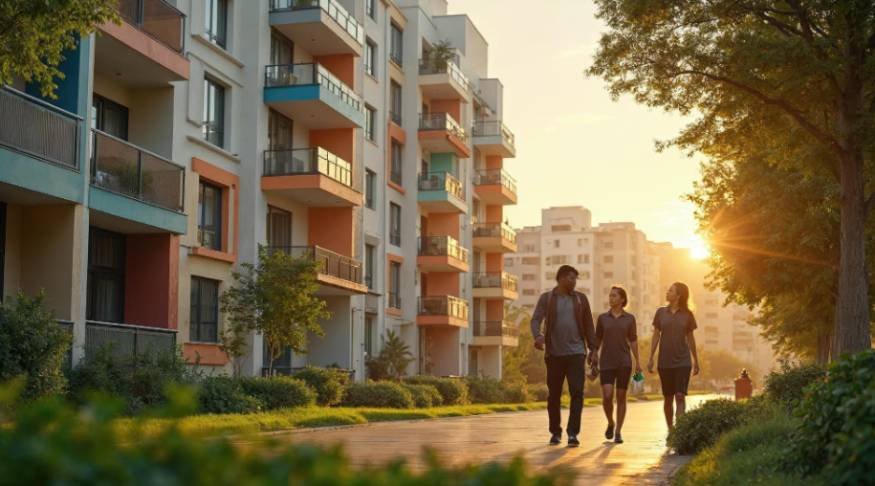
A city can change its skyline without changing everyone’s routine, but Nashville’s transformation reaches much closer to home. When I examine how Nashville’s growth is changing neighborhood life, I look beyond cranes and new towers. I consider whether people can renew their leases, reach work comfortably, support familiar businesses, and recognize the community around them.
Growth brings opportunities, including new homes, restaurants, jobs, and neighborhood amenities. It also creates uneven pressures. Understanding those differences helps explain why one resident welcomes redevelopment while another worries about losing their place.
How Is Nashville’s Growth Affecting Everyday Life?
Neighborhood change becomes tangible through ordinary experiences. Construction can interrupt a familiar walking route. New apartments can bring customers to nearby stores. A busier restaurant corridor can offer more evening choices while increasing parking competition.
The central question is whether investment improves daily life for existing residents alongside newcomers. Attractive buildings alone cannot answer that. Affordable homes, accessible services, reliable transportation, and places where neighbors gather matter just as much.
Are Housing Costs Rising in Every Nashville Neighborhood?
Nashville’s housing story needs more nuance than “everything keeps getting expensive.” Apartment market data for August 2026 showed citywide rents falling 2.9% compared with a year earlier, even as several neighborhoods returned to annual rent growth.
Antioch, South Nashville, Metrocenter, and Music Row showed positive year-over-year rental growth. Meanwhile, rents in Midtown, The Gulch, and SoBro remained more than 5% below their year-earlier levels.
These differences matter. New construction can expand choices and encourage leasing discounts, but a recent decline does not necessarily make housing affordable for every household. Asking rents, home purchase prices, and longtime residents’ ability to remain are different measures.
Which Nashville Neighborhoods Show Different Types of Change?
What Does Change Mean for North Nashville and Edgehill?
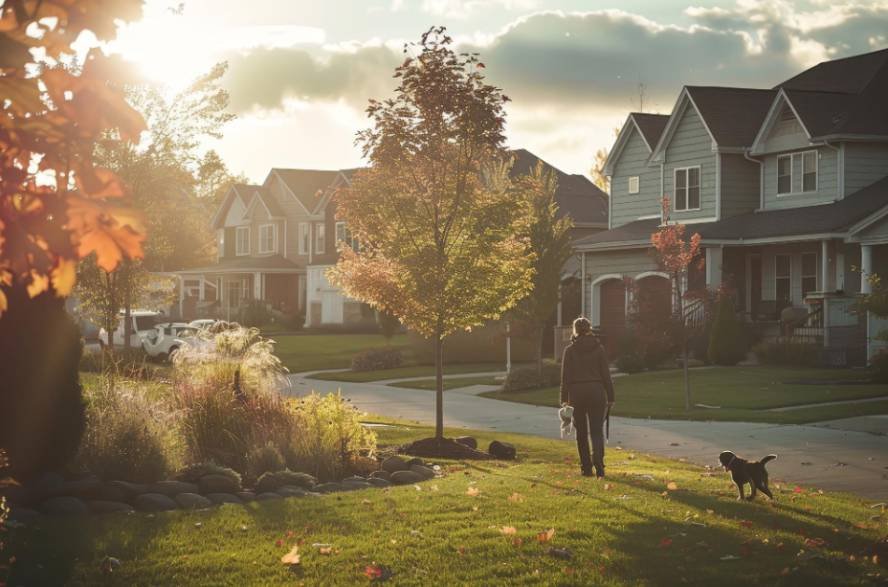
North Nashville’s story includes the preservation of Black cultural heritage, established businesses, and longstanding community relationships. Residents have described concerns about redevelopment, property costs, and the replacement of familiar housing with larger infill projects.
Edgehill also requires historical context. Its neighborhood plan recognizes its African American heritage, the effects of urban renewal, and redevelopment pressures.
In these communities, preserving neighborhood character means more than protecting architecture.
For homeowners choosing to improve an existing property rather than move, practical guidance such as bathroom makeover expert design tips can also help modernize a home while working within the character and constraints of an established neighborhood.
It means considering whether the people and institutions that shaped the neighborhood can continue participating in its future.
How Are Former Industrial Areas Changing?
The Nations and Wedgewood-Houston illustrate how former industrial areas can attract residential development, restaurants, and creative businesses.
Redevelopment can make previously underused land more active. However, neighborhood life changes when new uses increase demand for space. An arts-oriented identity can become harder to sustain if the people who helped establish it cannot afford nearby homes or workspaces.
What Trade-Offs Come With Germantown’s Walkability?
Germantown demonstrates the appeal of having dining, parks, and everyday destinations close together. Residents can enjoy a neighborhood where some trips happen on foot.
Density also brings practical trade-offs, including event crowds, noise, and parking pressure. Walkability is valuable, but households need to assess the actual routes and routines around a particular address.
How Are Traffic and Construction Reshaping Daily Routines?
A shorter distance does not always produce an easier commute. Busy intersections, construction activity, and limited transportation alternatives can complicate school drop-offs, grocery trips, and workdays.
Growth also creates opportunities to improve mobility. Housing near useful transit routes can help residents reach jobs and services with fewer car trips.
However, planned improvements should not be confused with completed infrastructure.
A broader understanding of maintenance, from public walkways and shared spaces to the floors to facades guide to public facility upkeep, can also help explain why the condition of community infrastructure matters to everyday neighborhood life.
Residents benefit from checking what exists today: continuous sidewalks, practical bus connections, safe crossings, and access to parks.
What Happens to Local Businesses and Community Connections?
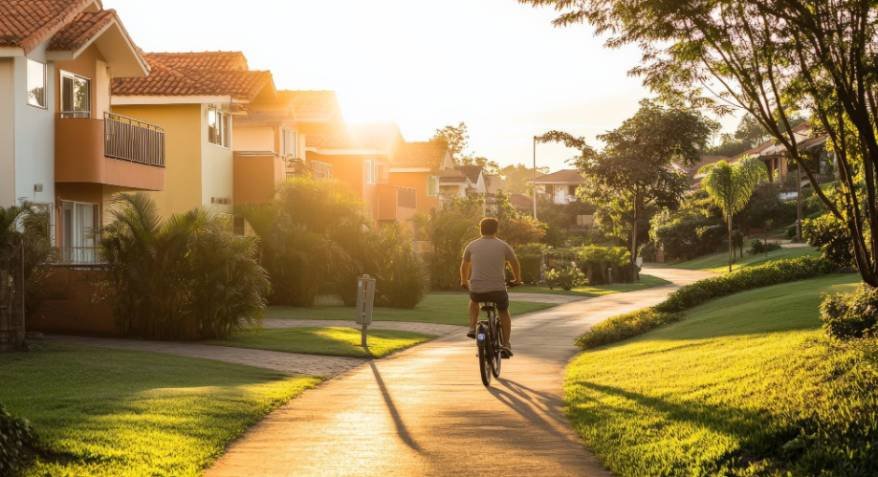
More residents can expand the customer base for independent shops, neighborhood restaurants, and service businesses. New arrivals can contribute to community events and help sustain local institutions.
At the same time, commercial redevelopment can change which businesses can afford to operate. Losing a familiar gathering place can weaken connections even when another business fills the storefront.
Community continuity depends partly on everyday participation.
Shared public spaces can strengthen that connection as well, and an ultimate community park wishlist can help residents think about the amenities, recreational features, and gathering areas that make neighborhood spaces more useful and welcoming.
Shopping locally, attending neighborhood meetings, and welcoming new neighbors create opportunities for shared investment in the area.
Can Nashville Grow While Helping Longtime Residents Stay?
Growth and displacement are related, but they are not interchangeable. Adding housing does not automatically displace residents, and preserving every existing building does not automatically preserve affordability.
Nashville’s planning work acknowledges challenges involving housing diversity, infrastructure, development scale, and cultural resources.
Residents can follow proposed projects through planning notices and community meetings. Useful questions include how a development affects housing options, pedestrian access, public spaces, and existing community needs.
Frequently Asked Questions
1. What explains how Nashville’s growth is changing neighborhood life?
New housing, redevelopment, business investment, and changing demand affect costs, transportation, gathering places, and community identity. The effects vary considerably between neighborhoods.
2. Is Nashville becoming more expensive everywhere?
No. Recent rental trends differ across neighborhoods. Citywide declines can occur alongside increases in particular areas.
3. Is all neighborhood redevelopment gentrification?
No. Redevelopment concerns physical investment; gentrification involves broader economic and demographic change, potentially including displacement pressures.
4. Where can residents learn about proposed developments?
Planning department updates, public meeting notices, neighborhood organizations, and adopted community plans provide useful starting points.
My Final Perspective
For me, how Nashville’s growth is changing neighborhood life comes down to whether more opportunity also means more belonging. New buildings matter, but so do familiar businesses, affordable homes, and relationships that make a neighborhood feel like home. I would judge Nashville’s progress by how well it makes room for newcomers while helping established communities remain part of the story.