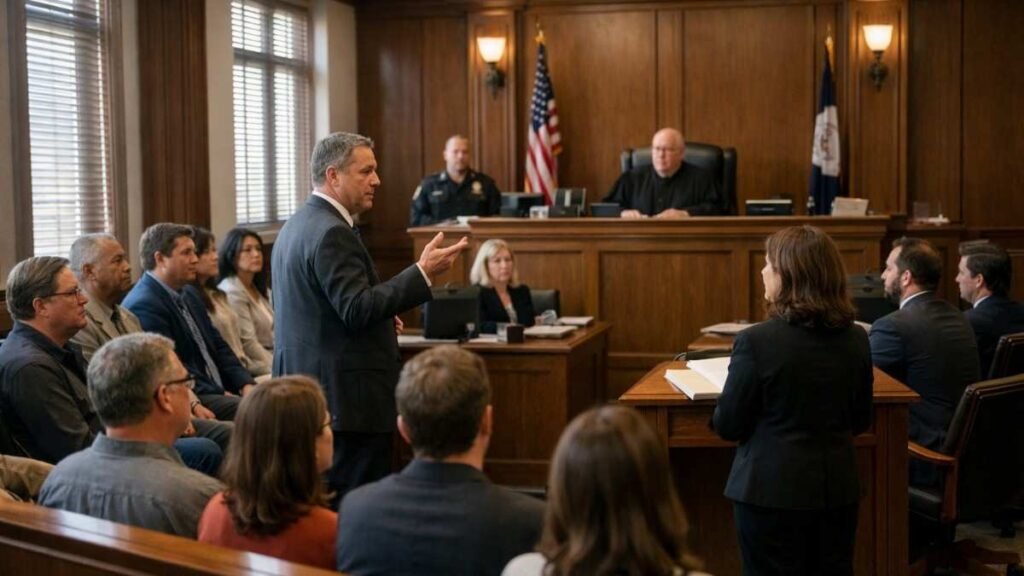
I used to think courtroom trials were all dramatic speeches and surprise evidence like in movies. The first time I actually observed one, I realized how structured and methodical everything felt. That curiosity pushed me to understand what happens during a jury trial, and honestly, it is a clear, step-by-step process that anyone can follow once it is broken down simply.
If you have ever wondered how a case moves from opening statements to a final verdict, you are not alone. Let me walk you through it in a way that feels practical, easy, and actually useful in real life.
What Happens During a Jury Trial Follows a Structured Legal Sequence
A jury trial is not random or chaotic. It follows a well-defined order that ensures fairness and clarity for both sides. Each stage builds on the previous one, helping the jury understand the full story before making a decision.
The process is designed to protect rights, present facts clearly, and guide jurors toward a logical conclusion. Once you understand this structure, the entire courtroom experience starts to make sense.
Jury selection ensures fairness from the start
Before anything begins, a group of potential jurors is questioned. This process is called voir dire, and it focuses on identifying any bias or conflict of interest.
Attorneys can request to remove certain jurors for valid reasons, known as challenges for cause. They can also use limited peremptory challenges to excuse jurors without explanation, as long as it is not discriminatory.
Opening statements outline each side’s case
Once the jury is selected and sworn in, both sides present opening statements. These are not arguments but previews of what each side plans to prove. The prosecution or plaintiff goes first, followed by the defense. This stage helps jurors understand what evidence to expect and how each side views the case.
What Happens During a Jury Trial During Evidence Presentation
This is the longest and most detailed part of the trial. It is where the facts are presented and tested in front of the jury. Everything that follows in the trial depends heavily on how well each side presents and challenges evidence.
Witness testimony builds the narrative
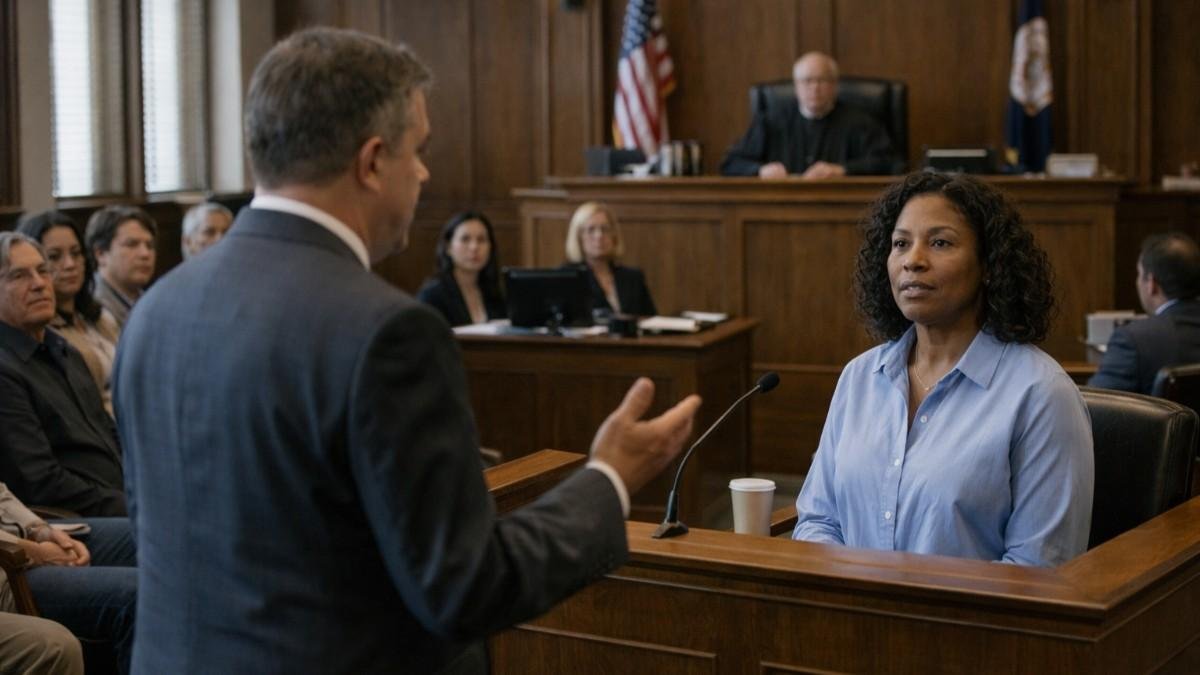
Witnesses are called to testify under oath. The side that calls the witness conducts a direct examination to establish facts. The opposing side then performs cross-examination of a witness to challenge credibility or highlight inconsistencies. This process is key to uncovering the truth.
Exhibits and evidence support the case
Physical or digital evidence such as documents, photos, or objects is introduced during this stage. These exhibits help support the arguments being made. Each piece of evidence must follow strict legal rules before being accepted. This ensures that only relevant and reliable information is considered.
Objections maintain legal boundaries
During testimony, attorneys may raise objections if they believe something is improper. This could relate to irrelevant questions or unfair evidence. The judge listens and decides whether to allow or dismiss the objection. This keeps the trial fair and within legal standards.
What Happens During a Jury Trial During Closing Arguments and Instructions
As the trial nears its end, both sides shift from presenting facts to reinforcing their overall argument. This stage helps jurors connect all the information they have heard. It also prepares them for the responsibility of making a final decision.
Closing arguments summarize key points
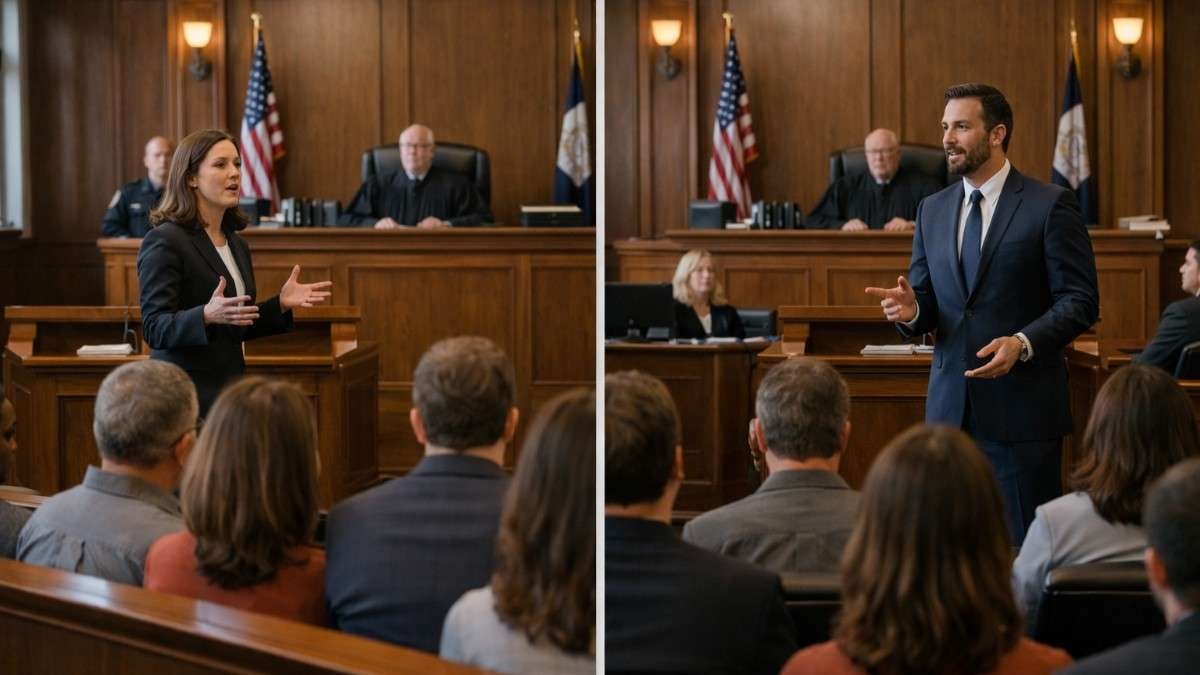
Both sides present closing arguments to highlight the strongest parts of their case. They explain how the evidence supports their position. This is often the most persuasive moment, as lawyers bring everything together in a clear and focused way.
Jury instructions explain the law clearly
After closing arguments, the judge provides instructions to the jury. These instructions explain how the law applies to the case. They also define standards like burden of proof, which differs between criminal and civil cases. This guidance ensures jurors base their decision on legal principles.
What Happens During a Jury Trial During Deliberation and Verdict
Once instructions are given, the jury moves into private deliberation. This is where the final decision is made. No lawyers or judges are present during this phase, allowing jurors to discuss freely.
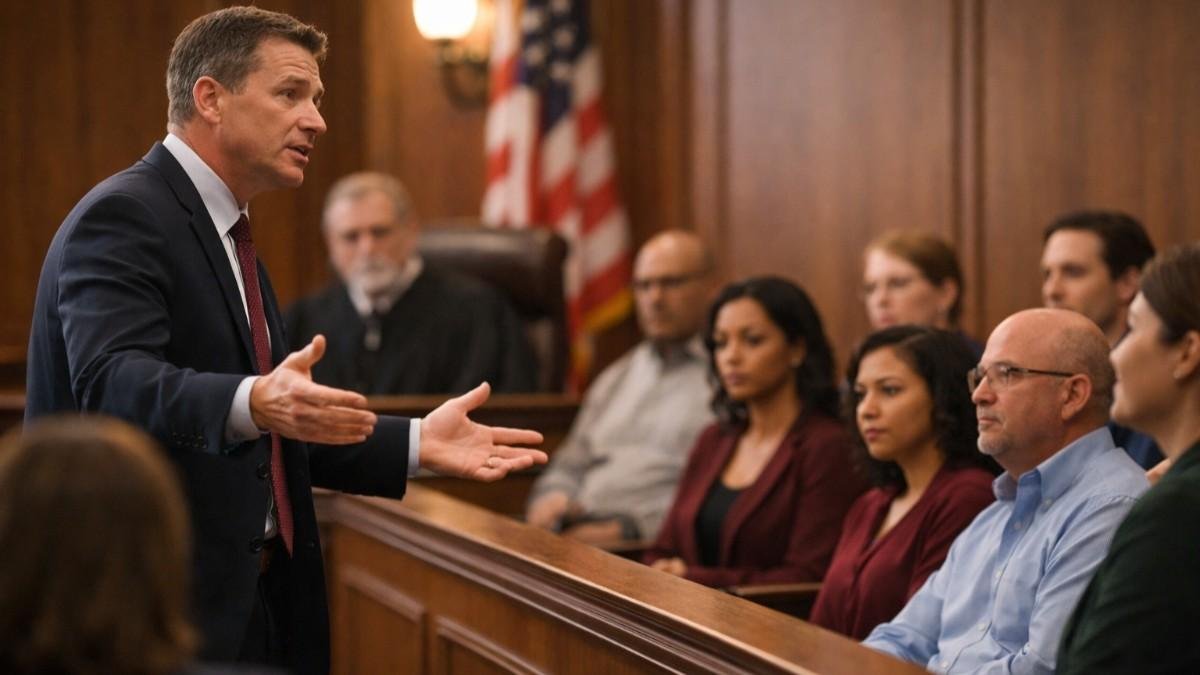
Jury deliberation involves careful discussion
Jurors review the evidence, share perspectives, and work toward agreement. They often select a foreperson to lead the discussion. This process can take hours or even days depending on the complexity of the case.
The verdict concludes the trial
When the jury reaches a decision, they return to the courtroom. The verdict is then read aloud. In criminal trials, the decision must usually be unanimous. In civil cases, a majority may be enough depending on the jurisdiction.
What Happens During a Jury Trial Precisely?
To understand what happens during a jury trial, think of it as a structured journey where each stage has a clear purpose. It begins with selecting unbiased jurors, followed by setting expectations through opening statements.
The trial then moves into presenting and testing evidence, where both sides attempt to build a convincing narrative. As the process continues, arguments become more refined, and the judge ensures that all rules are followed carefully.
By the time the jury begins deliberation, they have heard every detail needed to make a decision. Seeing it as a logical progression rather than a dramatic event makes the entire process easier to understand and less intimidating.
Frequently Asked Questions
1. How long does what happens during a jury trial usually take?
It depends on the case. Some trials last a day, while others can continue for weeks based on complexity.
2. Do all cases go through what happens during a jury trial?
No, many cases are settled before trial or decided by a judge without a jury.
3. What happens if jurors cannot agree during a jury trial?
This is called a hung jury. The judge may declare a mistrial, and the case can be retried.
4. Can someone speak during jury deliberation?
Only jurors are present. Lawyers, judges, and others are not allowed in the deliberation room.
A Simple Recap of the Jury Trial Process
Now that you clearly understand what happens during a jury trial, it becomes less of a mystery and more of a structured process built on fairness and logic. Each stage plays a role in guiding the jury toward a decision. My advice is simple. Focus on the sequence, because understanding the order helps you understand everything else that happens inside the courtroom.