
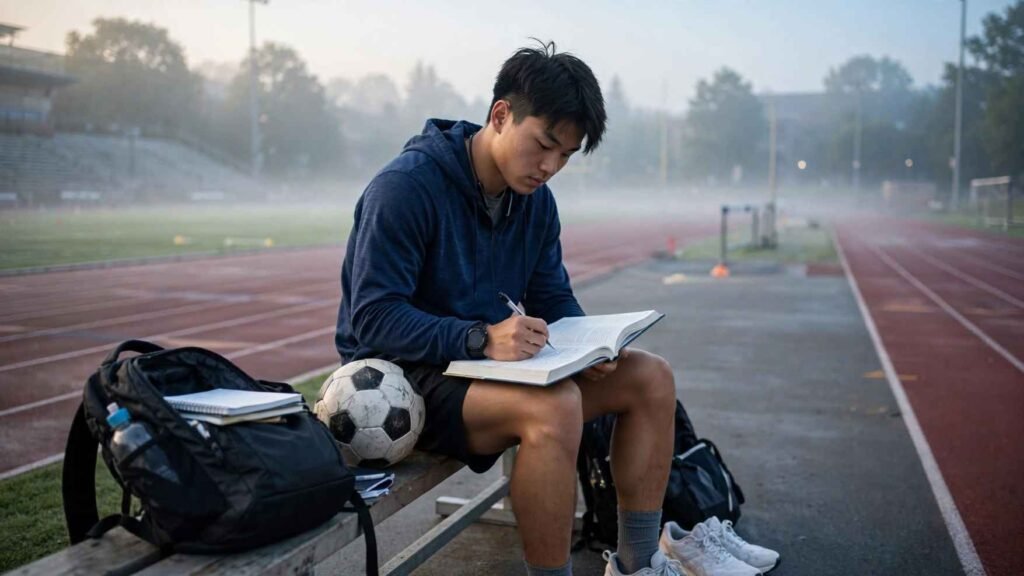
For high-performing student-athletes, early mornings and late nights are standard routine. Before many of their classmates have turned on their morning alarms, dedicated athletes are often hours into conditioning, ice time, gymnastics practice, or court drills. Pursuing athletic excellence requires unwavering focus, passion, and immense physical discipline. However, combining an elite training regimen with a traditional high school curriculum often creates an intense tug-of-war between athletic ambition and academic success.
The pressure to excel in both arenas can easily lead to physical exhaustion, cognitive overload, and eventual burnout. Fortunately, thriving as a student-athlete does not require giving up high academic standards. By understanding modern educational options and building strong self-management skills, student-athletes and their families can construct a sustainable lifestyle where both sports performance and academic growth flourish.
The Rising Demands of Modern Youth Sports
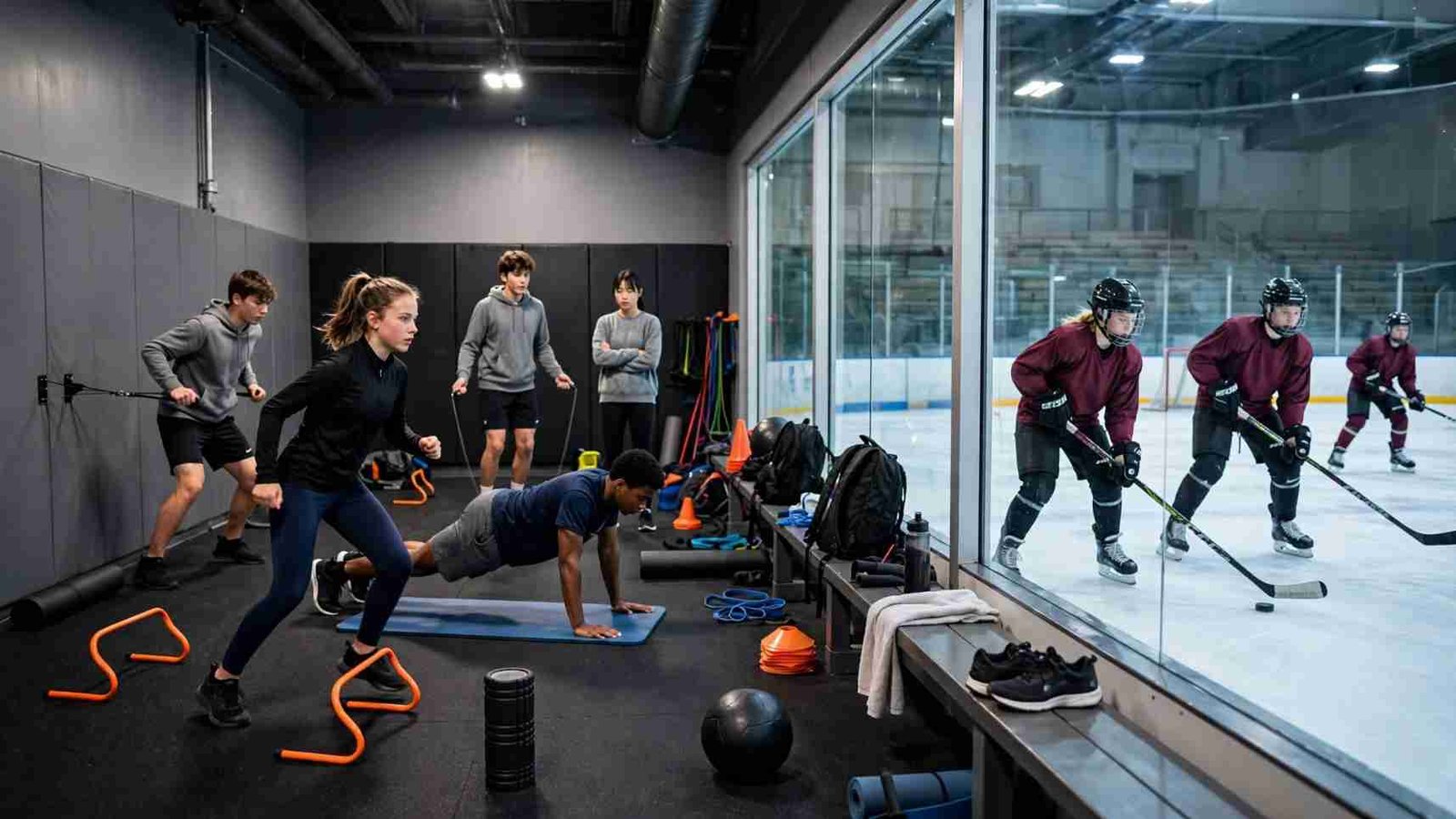
Over the past two decades, youth athletics has undergone a major structural transformation. Sports participation has largely shifted away from seasonal local play toward year-round intensive training, regional and national travel, and early specialization.
Choosing an appropriate sport for a young athlete’s age and developmental stage can foster long-term engagement and athletic growth. Gain insight into the best sports for every age group to identify activities suited to athletes at different stages of development.
According to clinical reports published by the American Academy of Pediatrics, young athletes enrolled in specialized programs frequently devote 15 to 20 hours per week exclusively to physical training, athletic recovery, and competition schedules.
When these grueling athletic demands are layered on top of six to eight hours of daily traditional schooling, plus homework and exam preparation, the overall workload quickly exceeds that of a standard full-time job.
Athletes often find themselves attempting to study on team buses, reviewing flashcards between tournament matches, or completing assignments late into the night after exhausting practices. Without proper support and schedule adaptability, this relentless pace significantly taxes an adolescent’s mental and physical health.
Breaking Free from Rigid Classroom Schedules
The traditional brick-and-mortar school calendar operates on fixed bell schedules and strict attendance policies designed for predictable, localized routines. While this model functions well for many students, it creates persistent friction for high-level student-athletes.
Travel schedules for out-of-state competitions, daytime training slots with specialized coaches, and mid-day physical therapy sessions frequently conflict with mandatory classroom hours.
In conventional schooling models, missing class for competition can lead to grade penalties regardless of whether the student has mastered the required material.
This strict seat-time requirement places dedicated athletes at an unfair disadvantage. They are frequently judged on physical desk presence rather than academic comprehension, forcing families into stressful negotiations with school administrators to keep their children on track.
Leveraging Flexible Learning Solutions
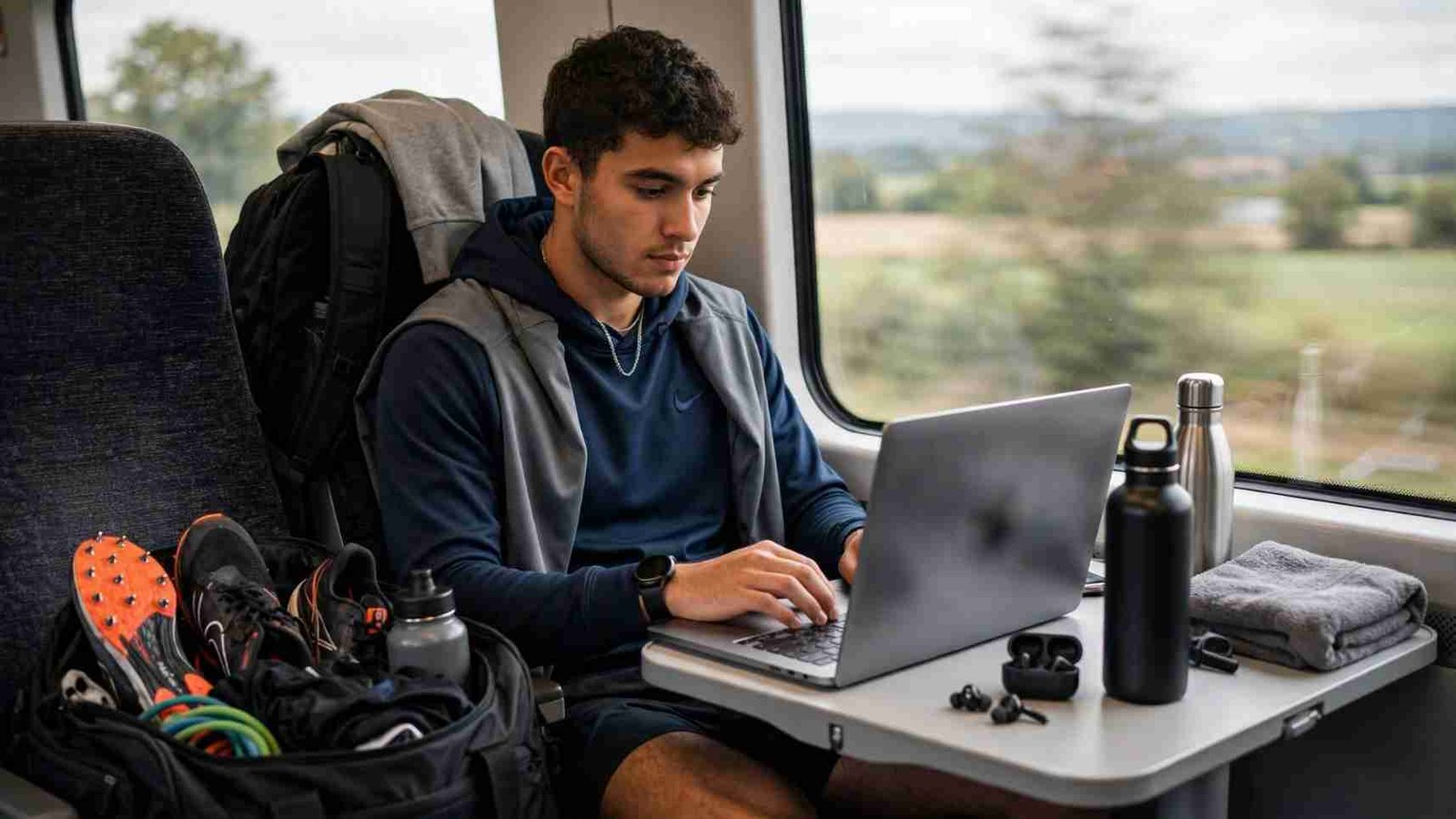
To eliminate this friction, many families are turning to flexible, modern educational alternatives that adapt learning around the athlete’s lifestyle rather than forcing the athlete to sacrifice their training. Online and hybrid learning models empower students to complete coursework during their peak focus hours—whether early in the morning before training, during mid-day rest periods, or while traveling.
For example, students seeking high-quality academic flexibility can take advantage of options such as a statewide online education program in Utah or similar state-supported virtual learning models.
These programs allow students to customize their education by taking individual online courses while remaining enrolled in their local school or transitioning to full-time flexible study.
A competitive figure skater, swimmer, or skier can take full advantage of daylight hours for coaching and training while completing rigorous history or science coursework during off-peak hours. This flexibility protects academic rigor while honoring the commitment needed for high-level sport.
Developing Executive Functioning and Time Management
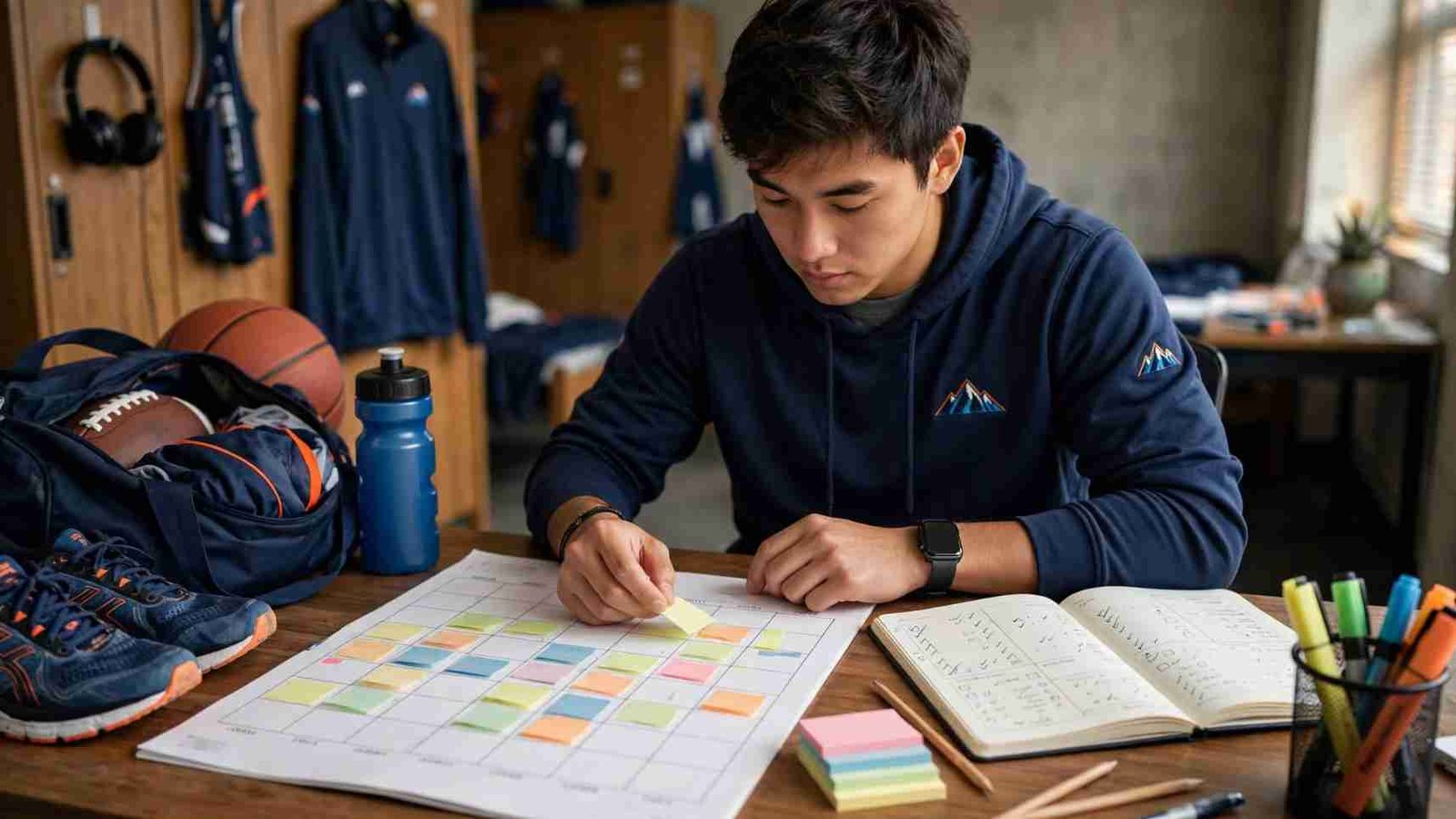
Transitioning to flexible learning models encourages student-athletes to build essential executive functioning skills. When teenagers take ownership of their academic schedules, they learn to analyze course syllabi, plan weekly assignment goals, meet deadlines independently, and communicate proactively with instructors.
In addition to strengthening time management and self-discipline, athletic participation fosters essential leadership competencies, such as collaboration, accountability, and decisive communication. Examine how sports cultivate leadership skills to understand how these qualities contribute to young athletes’ personal development and long-term success beyond competition.
Research emphasizes that learning effective time management and self-regulation during high school reduces stress and builds long-term resilience. A student-athlete who successfully manages an online course load alongside an elite training schedule gains invaluable soft skills that serve them exceptionally well in college, professional sports, and future careers.
Striking the Balance for Long-Term Success
Chasing athletic dreams should never require compromising educational goals.
Beyond personal accomplishments, sports serve as a powerful catalyst for social cohesion, fostering a sense of belonging and strengthening relationships across diverse communities. Examine the role of sports in uniting communities to gain a deeper understanding of their broader societal impact beyond competitive achievement.
Today’s expanding educational landscape provides student-athletes with powerful tools to succeed in both arenas. By choosing adaptable academic pathways and cultivating strong personal discipline, young athletes can achieve greatness in their sports while building a solid foundation for their academic future.