Operating a motor vehicle carries a profound responsibility to protect yourself, your passengers, and fellow road users. Traffic regulations exist to establish an orderly flow of traffic, prevent serious accidents, and ensure that drivers understand their legal obligations behind the wheel.
However, many motorists operate under outdated assumptions or misunderstand specific statutory requirements. Reviewing core driving regulations helps ensure you stay safe on the open highway, maintain a clean driving record, and avoid costly citations or legal complications.
Understanding Right-of-Way Rules and Four-Way Intersections
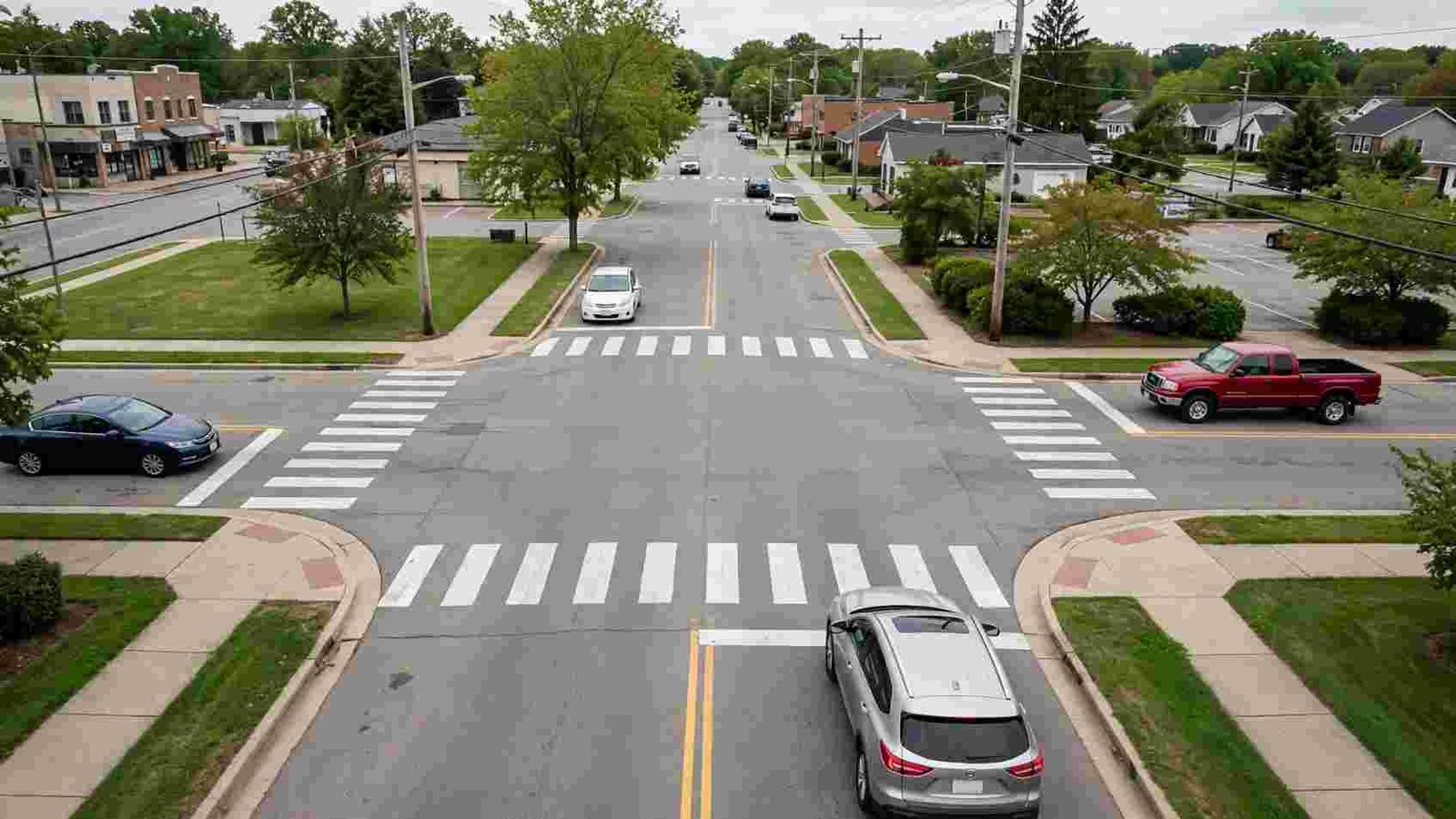
Right-of-way laws govern how drivers navigate shared traffic space, particularly at intersections where crossing paths present a constant risk of collision. Failing to yield right-of-way remains one of the leading causes of urban traffic accidents, making absolute clarity on these statutes essential for every motorist.
At uncontrolled four-way intersections—or stops controlled by four-way stop signs—the golden rule dictates that the vehicle arriving first holds the right-of-way to proceed through the intersection after making a full stop. If two or more vehicles arrive simultaneously, the driver on the left must yield right-of-way to the vehicle positioned on their right.
When making a left-hand turn across oncoming traffic lanes, turning motorists must yield completely to oncoming vehicles traveling straight or making right turns. Furthermore, drivers entering a public roadway from a private driveway, parking lot, or alleyway must yield to all approaching traffic and pedestrians before pulling onto the street.
Navigating Traffic Circles and Roundabouts Correctly
Entering a modern roundabout requires motorists to yield right-of-way to vehicles already circulating within the intersection’s inner traffic lanes.
Selecting the proper entry lane based on your intended exit prevents dangerous last-second lane changes inside the circle. Proper roundabout navigation ensures smooth, continuous traffic flow.
Pedestrian Right-of-Way at Crosswalks and Intersections
Drivers must yield right-of-way to pedestrians crossing within marked or unmarked crosswalks at street intersections.
Stopping well before crosswalk lines prevents pedestrians from stepping into active traffic lanes safely. Yielding to foot traffic protects vulnerable road users.
Navigating Speed Limits and Environmental Speed Conditions

Speed limits establish the maximum legal rate of movement along specified stretches of roadway under ideal operational conditions. However, simply remaining below posted speed signs does not automatically guarantee full legal compliance during adverse weather or heavy traffic flow.
Most jurisdictions enforce the Basic Speed Rule, which mandates that motorists must drive at a reasonable, prudent speed given prevailing weather, road surface, visibility, and traffic conditions. Driving at the posted 55 mph limit during a heavy rainstorm, thick fog, or icy road conditions can still result in a speed-related traffic citation if conditions render that speed unsafe.
Conversely, minimum speed regulations exist on major highways and interstate systems to prevent slow-moving vehicles from impeding traffic flow and creating dangerous speed differentials. Driver awareness of both posted maximums and environmental conditions prevents speed-related accidents.
Adapting Vehicle Speed for School and Construction Zones
Reduced speed limits inside designated school zones protect children during peak arrival and departure hours across academic calendars.
Construction zone speed limits safeguard highway workers from active traffic, carrying doubled fines for non-compliance. Respecting specialized speed zones protects lives.
Recognizing Statutory Speed Limits in Residential Areas
Residential neighborhoods maintain lower statutory speed limits even when speed limit signs are not actively posted along every block.
Lower speeds inside neighborhood zones provide crucial reaction time for unexpected children or pets entering streets. Neighborhood awareness prevents local accidents.
Distracted Driving Statutes and Mobile Device Restrictions
Distracted driving has become one of the primary safety threats on modern roadways, leading to strict legislative restrictions nationwide. Taking your eyes off the road for even a few seconds to check a mobile notification dramatically increases the probability of a serious collision.
Hands-free driving laws restrict drivers from holding mobile devices, texting, or interacting directly with handheld screens while operating a motor vehicle. Modern statutes consider a vehicle actively operating even when paused at a red traffic light or stopped in heavy traffic congestion, making phone usage illegal in those moments.
Certain states mandate total mobile device bans for novice drivers or commercial operators, allowing zero exceptions for hands-free technologies. Placing mobile devices out of reach while driving prevents temptation and keeps your full attention focused on road conditions ahead.
Utilizing Hands-Free Voice Integration Systems Legally
Programming navigation routes and music playlists prior to setting your vehicle in motion prevents screen interactions while driving.
Voice-activated calling systems allow necessary communication without requiring manual physical handling of mobile devices. Hands-free tools minimize cognitive driving distraction.
Understanding the Risks of Non-Electronic Distractions
Grooming, eating meals, or managing pets while operating a vehicle diverts physical and mental focus away from active driving tasks.
Securing pets with harness restraints keeps animals from jumping onto driver controls unexpectedly. Driver focus eliminates non-electronic hazards.
Impaired Driving Laws and Legal Consequences
Driving under the influence of alcohol, recreational substances, or prescription medications that impair motor skills is universally illegal across all jurisdictions. Operating a motor vehicle while impaired drastically reduces reaction times, degrades spatial perception, and compromises decision-making abilities.
Legal limits for Blood Alcohol Concentration are strictly set at 0.08% for standard adult drivers, while commercial drivers face stricter limits of 0.04%. Furthermore, zero-tolerance laws penalize drivers under 21 who operate vehicles with any measurable trace of alcohol in their system.
Implied consent laws dictate that by holding a driver’s license and operating a vehicle on public roads, you automatically consent to breath, blood, or urine testing if suspected of impaired driving. Consulting a knowledgeable legal professional, such as a DUI attorney in Cle Elum, Washington, can prove vital if you face complex legal proceedings involving traffic stops, chemical testing, or license suspension procedures.
Understanding Implied Consent and Breathalyzer Requirements
Refusing chemical BAC testing upon a lawful impaired driving arrest results in immediate administrative license suspensions in most states.
Implied consent laws operate independently of criminal court verdicts, carrying automatic administrative license penalties. Chemical test compliance avoids administrative suspensions.
Recognizing Prescription Medication Impairments
Taking legally prescribed painkillers, sleep aids, or allergy medications can impair physical driving capabilities as severely as alcohol.
Reading medication warning labels carefully prevents accidental impaired driving violations following medical treatments. Medication awareness protects driving privilege.
Move Over Laws and Emergency Vehicle Safety Protocol
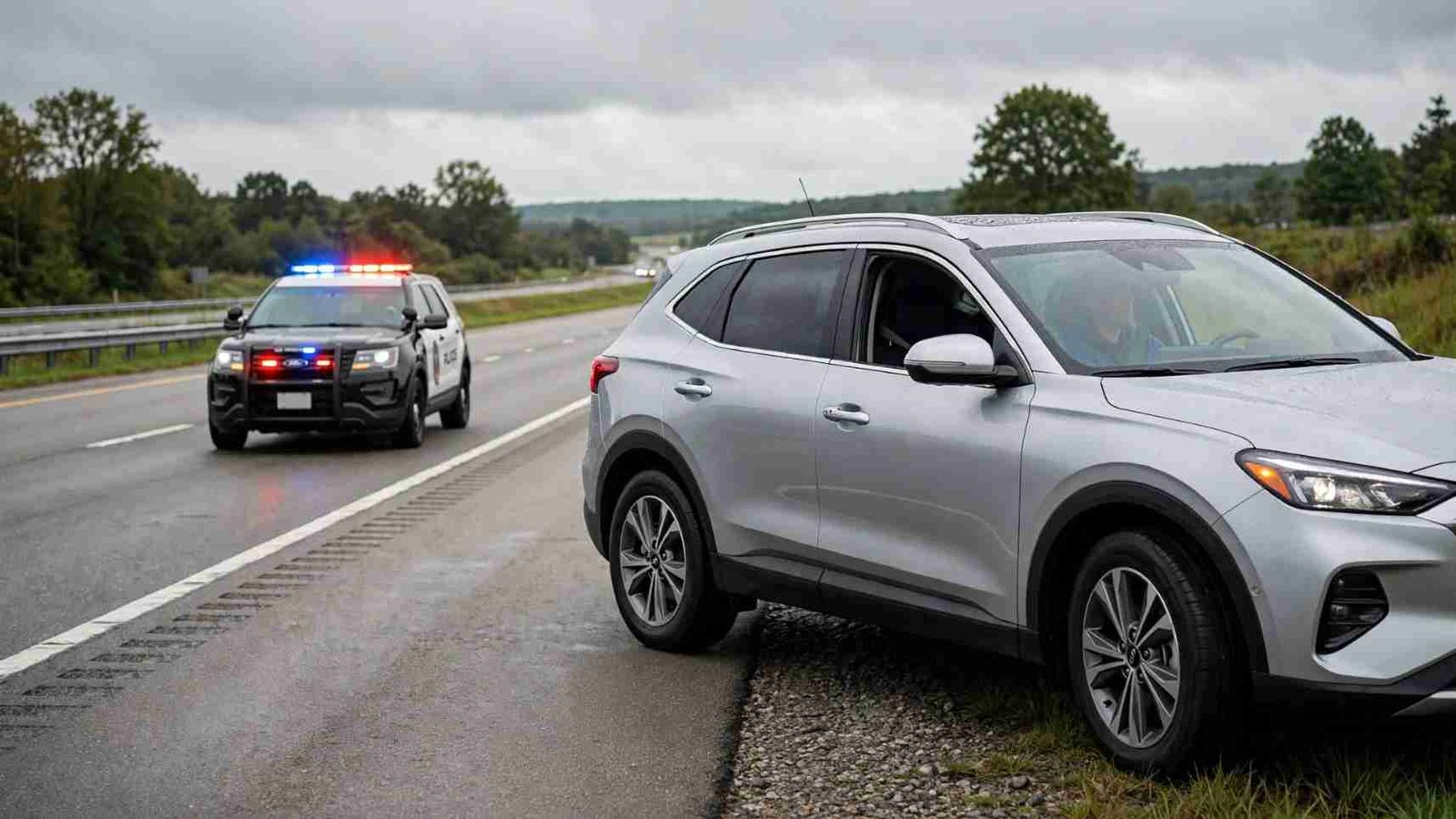
Move Over laws exist across all fifty states to protect law enforcement officers, emergency responders, tow truck operators, and highway maintenance crews working along active roadside shoulders. These statutes require motorists to exercise extreme caution when approaching stationary emergency vehicles exhibiting flashing hazard lights.
When approaching a stopped emergency vehicle displaying warning lights on a multi-lane highway, drivers must change lanes into a lane not adjacent to the emergency vehicle if traffic conditions allow safe lane shifting.
If changing lanes safely is impossible due to heavy traffic or physical road constraints, motorists must slow down significantly below the posted speed limit and proceed with extreme caution past the stationary emergency vehicle. Violating Move Over laws carries heavy financial penalties and points against your driving record.
Identifying Covered Emergency and Service Vehicles
Move Over statutes apply broadly to police cruisers, fire engines, ambulances, tow trucks, and highway maintenance utility vehicles.
Slowing down for all stationary roadside service vehicles prevents catastrophic highway shoulder strikes. Broad awareness protects emergency workers.
Executing Safe Lane Changes in Heavy Traffic
Checking side mirrors and signaling lane changes early allows trailing vehicles time to accommodate your merge away from emergency scenes.
Slowing down gradually avoids panic braking when lane changes are blocked by neighboring traffic. Calm driving prevents secondary collisions.
Lane Discipline, Overtaking, and Signal Requirements
Proper lane discipline ensures predictable vehicle movement across multi-lane highways and urban thoroughfares. Unpredictable swerving, tailgating, or improper passing creates severe traffic friction and increases collision hazards.
Highways feature dedicated passing lanes—typically the leftmost lane—designed strictly for overtaking slower traffic. Lingering in the left lane while not passing forces faster traffic to pass on the right, creating hazardous passing maneuvers.
Furthermore, motorists must signal their intention to turn or change lanes well in advance—typically at least 100 feet before executing the maneuver. Using turn signals alerts neighboring drivers, giving them ample time to adjust their speed and spacing safely.
Practicing the Three-Second Following Distance Rule
Maintaining a minimum three-second buffer zone behind leading vehicles allows adequate reaction time during sudden braking events.
Increasing following distances during rain, snow, or fog prevents severe rear-end collisions. Following buffers preserve driving safety.
Overtaking Safely on Two-Lane Country Roads
Passing on two-lane roads requires clear visibility of oncoming traffic and passing zones marked by broken yellow centerlines.
Never pass vehicles on hills, sharp curves, or near intersections where oncoming traffic visibility is obstructed. Safe overtaking prevents head-on crashes.
Conclusion
Understanding and respecting traffic laws is the single most effective way to ensure long-term safety, protect your driving privileges, and contribute to an orderly transportation system.
Safe driving involves more than following traffic laws; keeping your vehicle in good condition is equally important for protecting yourself and other road users. For practical maintenance advice, see these essential car care tips for commuters to help maintain vehicle reliability and road safety.
By mastering right-of-way rules, adhering strictly to speed limits and Move Over laws, avoiding distracted or impaired driving, and practicing disciplined lane control, you minimize risks for yourself and everyone sharing the road.
Responsible driving is an ongoing commitment to education, vigilance, and safety. Staying informed regarding evolving motor vehicle statutes ensures that every journey you take remains safe, smooth, and legally compliant.
Understanding local traffic rules is especially important when traveling through unfamiliar areas on a family road trip. If you’re planning a getaway, discover practical ideas for planning a family road trip through Tennessee and preparing for the journey ahead.