Roadside law enforcement encounters often involve physical performance evaluations designed to detect driver impairment. When police suspect that a motorist is operating a vehicle under the influence of alcohol or drugs, they frequently request a series of physical and mental exercises known as field sobriety tests. Understanding the structure, science, and limitations of these roadside assessments empowers drivers to protect their legal rights during a traffic stop.
The Standardized Tests Approved by Federal Authorities
As part of the key driving laws every motorist should understand, The National Highway Traffic Safety Administration established three standardized physical tests. These assessments evaluate a driver’s balance, physical coordination, and ability to divide attention between multi-step mental and physical instructions.
The Horizontal Gaze Nystagmus Evaluation
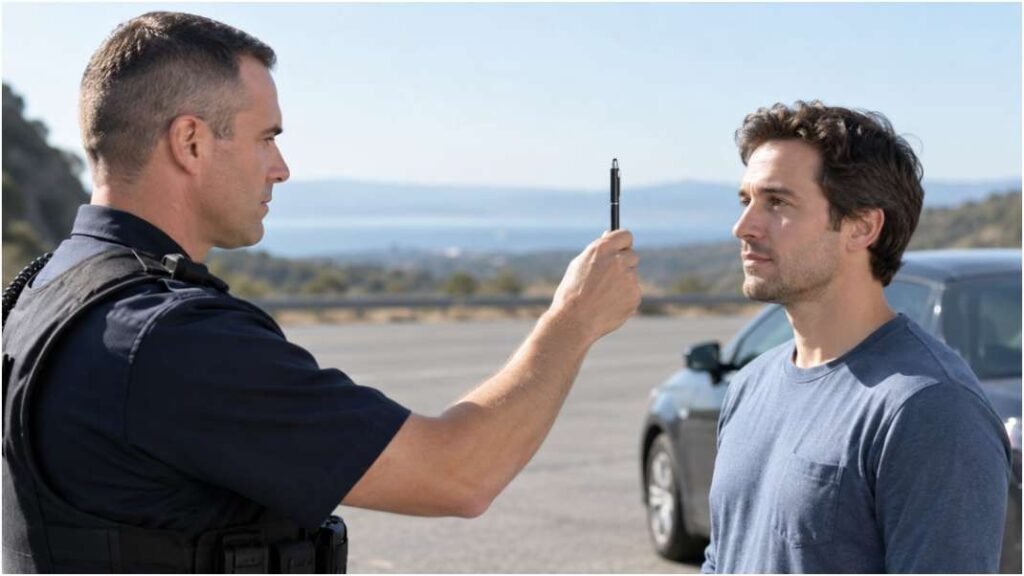
Horizontal Gaze Nystagmus refers to the involuntary jerking of the eyeball that occurs as the eye moves toward lateral angles. While nystagmus happens naturally at extreme side angles, alcohol consumption causes the jerking to become distinct and occur at smaller angles of deviation.
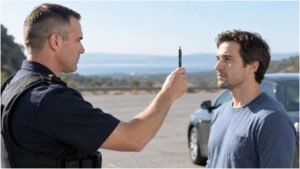
During this evaluation, an officer holds a small object, such as a pen or penlight, approximately twelve to fifteen inches from the driver’s face. The officer moves the object slowly from side to side while observing whether the driver’s eyes can track it smoothly. Officers look for specific clues, including distinct jerking at maximum deviation and smooth pursuit breakdown.
The Walk and Turn Assessment
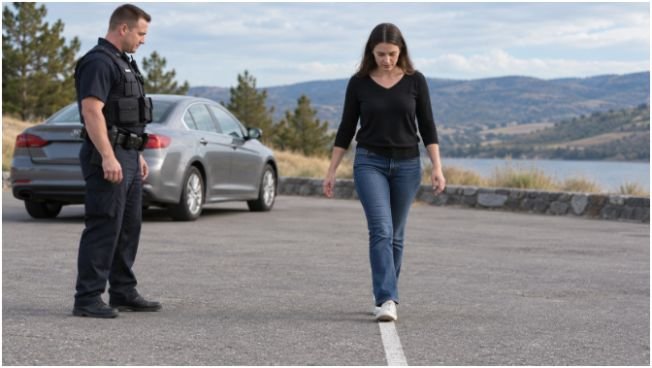
The Walk and Turn test is a divided-attention assessment requiring a driver to listen to detailed instructions while performing precise physical movements. Drivers are instructed to take nine heel-to-toe steps along an actual or imaginary straight line, turn around using a series of small steps in a designated manner, and take nine heel-to-toe steps back. Officers score the driver based on eight predefined criteria, which include:
- Balancing while listening to instructions
- Starting the test before instructions are completed
- Stopping while walking to steady balance
- Failing to touch heel to toe by more than half an inch
- Stepping off the designated line
- Using arms to balance by raising them more than six inches
- Making an improper or non-standard turn
- Taking an incorrect number of steps
The One-Leg Stand Test
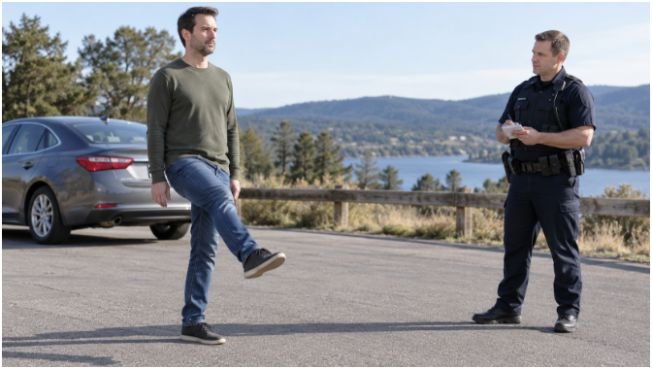
Another physical evaluation used by law enforcement is the One-Leg Stand Test. During this procedure, the driver must stand with one foot raised approximately six inches off the ground while keeping the elevated foot parallel to the surface. While maintaining this position, the driver must count aloud by thousands until instructed to stop, typically for a total of thirty seconds. Law enforcement personnel search for four specific indicators of impairment:
- Swaying while attempting to maintain balance
- Raising arms away from the body for balance
- Hopping on the supporting foot to stay upright
- Putting the raised foot down before thirty seconds elapse
Common Factors That Compromise Test Reliability
Field evaluations are inherently subjective and vulnerable to environmental, physical, and psychological variables. A failed assessment does not automatically establish physiological impairment.
Physical Health Conditions and Injuries
Numerous bodily limitations interfere with a person’s capability to execute divided-attention tasks. Inner ear infections, vertigo, arthritis, joint problems, and historical back or leg injuries routinely impair balance. Neurological conditions can also trigger nystagmus completely independent of substance use. Furthermore, naturally occurring eye issues or fatigue can yield physical symptoms similar to alcohol exposure.
Environmental Hazards and Surrounding Terrain
Roadside environments are rarely ideal for physical evaluations. Pavement unevenness, cracked asphalt, loose gravel, sloped road shoulders, and slick weather conditions significantly reduce stability. Environmental distractions like rushing traffic, passing vehicle headlights, flashing emergency light bars, and wind gusts frequently compromise performance.
Officer Errors and Non-Standard Administration
Standardized field sobriety exercises rely strictly on standardized administrative procedures. If an investigating officer fails to give precise instructions, omits standard demonstrations, or miscounts clues, the resulting conclusions lose scientific validity.
Driver Rights and Refusal Rules During Roadside Stops

Understanding your legal standing during a traffic encounter is vital for protecting your record.
Voluntary Nature of Field Assessments
In most jurisdictions, roadside physical exercises are voluntary. Drivers generally retain the right to decline participation without triggering automatic criminal penalties or immediate driver license revocations. These field movements serve primarily to generate probable cause for an arrest.
Chemical Tests vs. Roadside Exercises
A clear legal distinction exists between voluntary roadside movement tests and mandatory chemical testing. Under implied consent statutes, drivers who operate motor vehicles agree to submit to official breath, blood, or urine testing following a lawful arrest based on probable cause.
Understanding how drug testing works under these laws is crucial, as refusing a post-arrest chemical test carries administrative penalties, such as mandatory license suspensions, regardless of the ultimate court verdict.
Understanding DUI defense law in Salt Lake City helps drivers evaluate how roadside evidence is examined during court proceedings.
Effective Steps During a Traffic Stop
When stopped on suspicion of impaired driving, maintaining a composed, courteous demeanor is vital. Drivers must provide valid driver licenses, vehicle registration documents, and proof of insurance upon request. If asked to perform physical balance exercises, individuals may decline politely. State clearly and calmly that you prefer not to perform voluntary roadside physical tests, then seek professional legal counsel at the earliest opportunity.