
Every morning I open my phone, scroll through news apps, and check social media to see what people discuss. Politics always pops up somewhere between sports clips, memes, and local news.
At some point I started asking myself a question many people ask today: Is Big Tech Censoring Political Voices?
I hear friends complain about shadowbans. I see politicians accuse platforms of bias. I also read research that says moderation simply enforces platform rules.
So I began paying closer attention to how these platforms actually work and how they shape the political conversations we see every day.
What I discovered sits somewhere between conspiracy theories and corporate PR statements. The reality looks far more complicated—and honestly, more interesting.
Why Do So Many People Ask: Is Big Tech Censoring Political Voices?

Political speech lives online now. Social media platforms replaced town halls, newspaper letters, and late-night political debates for millions of people.
When platforms remove posts or suspend accounts, people immediately interpret those decisions as censorship. I understand that reaction. When you rely on a platform to speak publicly, losing access feels like someone muted your microphone in the middle of a conversation.
Technology companies push back on this claim. They say they enforce terms of service, not political viewpoints. Their goal centers on removing harassment, misinformation, or harmful content.
Critics respond with a simple argument: when a handful of companies control the world’s biggest digital conversations, their moderation decisions shape public debate. Even if platforms operate as private businesses, their influence looks similar to censorship for many users.
Do Moderation Rules Treat Everyone the Same?
Researchers from universities such as Oxford, MIT, and Yale studied moderation patterns across major platforms. Their findings surprised many people.
Some studies showed that conservative accounts faced suspension more frequently. At first glance, that pattern looked like ideological bias.
But when researchers examined the content more closely, they found another explanation. Certain groups shared higher levels of posts flagged as misinformation or low-quality content. Even neutral rules created uneven outcomes because different communities posted different types of material.
That insight changed how I view the debate.
A platform might enforce the same rules across every user. Yet the results may still appear politically uneven if some communities share content that triggers moderation more often.
So the question Is Big Tech Censoring Political Voices sometimes turns into a deeper question about online behavior itself.
Do Algorithms Secretly Favor Certain Political Voices?
I once assumed algorithms quietly suppressed political content from one side. Then I started reading research on how recommendation systems actually work.
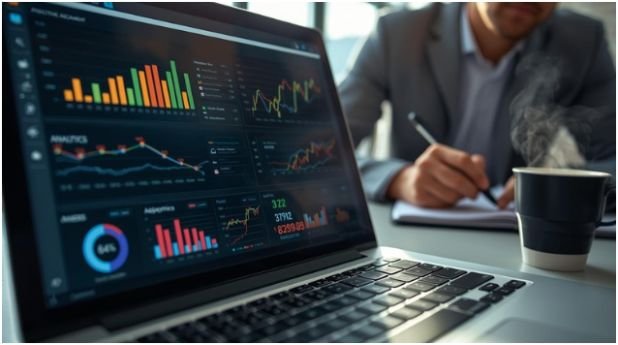
Most algorithms chase engagement and government also use ai for surveillance. They push posts that generate comments, reactions, and shares.
Political content that sparks outrage or excitement often spreads faster than calm policy discussions. That dynamic sometimes benefits populist or strongly opinionated voices.
One major study examining X (formerly Twitter) from 2016 to 2021 found that the platform’s algorithm actually boosted center-right politicians more often than center-left ones in several countries.
That result surprised people who assumed tech companies favored liberal voices. Engagement patterns drove much of that amplification.
Algorithms rarely think about ideology. They chase attention. If a political message triggers strong reactions, the algorithm often spreads it further.
How Do Governments Influence What We See Online?
When people debate whether Is Big Tech Censoring Political Voices, they often focus on Silicon Valley. But governments also shape moderation decisions around the world.
Technology companies must follow local laws to operate globally. That requirement creates difficult trade-offs.
For example:
| Platform | Government Pressure Example | Outcome |
| YouTube | Requests from China and Russia | Removal of thousands of political videos |
| X (Twitter) | Compliance with Indian IT regulations | Restricted access to government critics |
| Meta | Pressure from regulators and policymakers | Changing moderation and fact-checking policies |
These examples reveal another layer of the debate. Sometimes platforms remove political content because governments demand it, not because tech executives prefer it.
That reality makes the censorship debate even more complicated.
What Recent Events Made the Debate Even Hotter?
Over the past few years, political scrutiny around tech companies increased dramatically.
In 2025, the Federal Trade Commission launched an inquiry investigating whether technology platforms denied or reduced visibility for users based on political affiliation. That investigation alone fueled national conversations about fairness in digital platforms.
Around the same time, leaked documents from the European Union suggested officials coordinated with technology companies to aggressively moderate risky political content ahead of elections.
Then ownership changes added more drama.
After Elon Musk purchased X, critics argued the platform became more supportive of certain political viewpoints. At the same time, the company suspended several journalists and commentators from different sides of the political spectrum.
Ownership changes often reshape platform culture. When leadership shifts, moderation policies and public perception shift as well.
How Do I Personally Navigate Political Content Online?

After watching these debates unfold, I changed how I interact with political content online.
First, I stopped assuming every moderation decision reflects ideological bias. Platforms enforce rules imperfectly, but many suspensions stem from clear violations.
Second, I avoid relying on a single platform for political information. I read multiple sources, follow journalists from different perspectives, and check original research when possible.
Finally, I remind myself that algorithms reward engagement. If a post makes me angry instantly, the algorithm probably boosted it for that reason.
Understanding these dynamics helps me stay informed without getting pulled into endless outrage cycles.
How-To: Build a Healthy Routine for Consuming Political Content Online
A few simple habits improved my relationship with political content online.
Step 1: Diversify your information sources.
I follow journalists, researchers, and commentators from different viewpoints. That habit exposes me to multiple interpretations of the same issue.
Step 2: Check the original source.
Before reacting to a viral post, I look for the original report, study, or announcement. Headlines often exaggerate complex stories.
Step 3: Watch for emotional manipulation.
Posts designed to provoke anger or fear often spread fastest. I pause before sharing content that triggers a strong reaction.
Step 4: Balance online and offline information.
I still read traditional news sources and listen to podcasts. That mix prevents social media algorithms from shaping my entire worldview.
These simple habits keep political conversations informative instead of exhausting.
FAQ: Common Questions People Ask About Big Tech and Political Speech
1. Do social media companies intentionally censor political opinions?
Most research shows that platforms enforce community guidelines rather than targeting specific ideologies. However, uneven enforcement, algorithmic amplification, and high-profile bans often create the perception of bias among users.
2. What is shadowbanning on social media?
Shadowbanning refers to secretly limiting the visibility of a user’s posts. Many experts argue that low engagement often causes reduced reach rather than deliberate suppression, since algorithms prioritize posts that generate reactions and conversation.
3. Do algorithms influence political discussions online?
Yes. Algorithms amplify posts that attract engagement. Emotional or controversial political content often spreads faster because it generates more reactions, comments, and shares.
4. Can governments force tech companies to remove political content?
Yes. Many governments require platforms to follow local laws. Companies sometimes remove or restrict content to avoid fines, bans, or legal consequences in specific countries.
So… Is Big Tech Censoring Political Voices or Are We Just Yelling Louder Online?
After years of watching this debate unfold, I reached a simple conclusion.
The internet amplifies everything: opinions, outrage, misinformation, and political arguments. Platforms moderate content imperfectly while algorithms push the loudest voices to the top.
That combination creates confusion.
Sometimes moderation removes harmful content. Sometimes it fuels accusations of bias. Sometimes algorithms amplify voices people assume the platform wants to suppress.
When people ask Is Big Tech Censoring Political Voices, they often search for a simple answer.
Reality rarely provides one.
My personal tip? Treat social media like a conversation in a crowded café. Listen carefully, question loud claims, and step outside for fresh air when the noise gets overwhelming.
Key Takeaways
| Insight | What It Means |
| Moderation vs censorship | Platforms enforce rules, but influence public debate |
| User behavior matters | Different communities post different types of content |
| Algorithms amplify engagement | Emotional political content spreads faster |
| Governments also influence moderation | Local laws often drive content removal |
| Personal habits help | Diverse sources reduce algorithmic bias |
Political debates will always evolve online. The smartest move I make each day involves staying curious, questioning viral narratives, and keeping my information diet balanced.