

I think the hardest farm work sometimes begins after the tractor stops. Bills still need paying, tomorrow’s forecast remains uncertain, and family expectations do not disappear at sunset. Mental health challenges facing Tennessee farmers grow from these overlapping pressures, especially when someone feels responsible for keeping generations of work alive.
Understanding that burden means looking beyond a difficult season to the financial, emotional, and practical obstacles that make asking for help complicated.
Why Does Farming Create So Much Emotional Pressure?
Uncertain Income Meets Unavoidable Expenses
A farm can require spending long before it produces income. Equipment payments, operating loans, insurance, rent, and household bills continue even when commodity prices fall or yields disappoint.
That uncertainty can leave farmers worrying about decisions they cannot reverse quickly. Working harder does not guarantee better prices or rainfall. Financial guidance can address business problems, while mental health care helps someone manage the distress surrounding them. Both forms of support matter.
Weather, Crop Losses, and Livestock Disease
Drought, flooding, pests, and livestock illness can disrupt months of preparation. Farmers must respond immediately while facing uncertainty about recovery and future income.
The emotional impact can outlast visible damage. Rebuilding fences or replacing equipment does not automatically resolve exhaustion, grief, or fear of another disaster. Recovery plans should consider the wellbeing of the people restoring the operation alongside the work itself.
How Do Isolation and Family Expectations Affect Farmers?
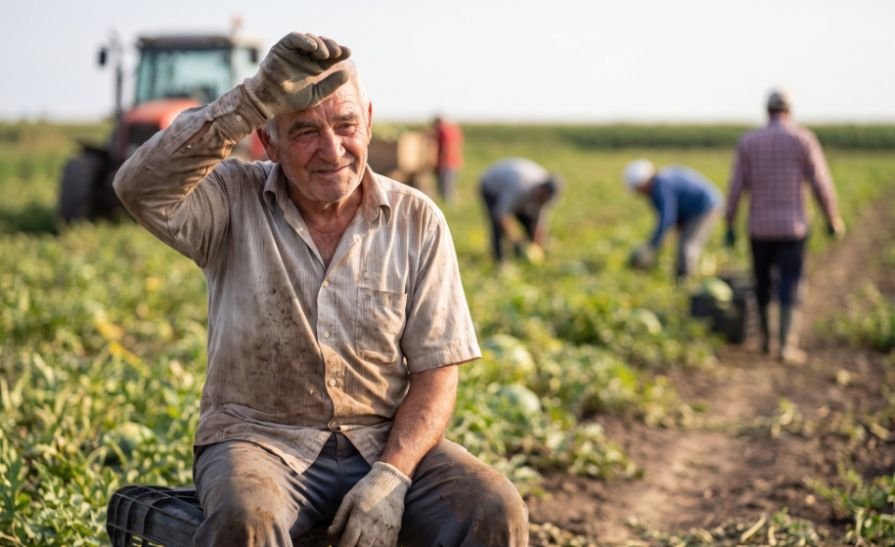
Long Hours Can Shrink Social Connections
Living in a close community does not guarantee regular, meaningful conversation. Long workdays and livestock responsibilities can keep farmers from gatherings, appointments, and time with friends.
Someone may see neighbors regularly yet avoid discussing personal struggles. A conversation focused entirely on acreage, weather, or prices can leave emotional concerns unspoken. Consistent check-ins create opportunities to talk beyond the business.
Succession Can Feel Like a Test of Personal Worth
Passing a farm between generations involves money, responsibilities, relationships, and identity. Younger family members may fear disappointing parents. Older farmers may struggle with retirement or changes in their role.
Disagreements over ownership or management can follow families home. Setting aside time for succession discussions, clarifying expectations, and involving qualified advisers can reduce uncertainty. A farm’s financial performance should never determine a person’s value.
Why Can Seeking Mental Health Care Be Difficult?
Self-reliance helps farmers solve demanding problems, but it can also make admitting distress uncomfortable. Some worry about appearing weak or having private information discussed in a small community.
Rural access presents additional obstacles. Travel, appointment schedules, costs, and finding someone who understands agricultural life can complicate care.
These challenges are part of a broader rural healthcare workforce problem, where communities may struggle to attract and retain enough physicians to provide timely local care. Tennessee’s Rural Doctor Shortage and Possible Solutions explores the causes of this shortage and approaches for improving rural healthcare access.
Medication costs can add another layer to these access challenges, particularly when ongoing treatment requires regular prescriptions. Prescription Drug Prices and Healthcare Price Transparency explains why medication prices vary and how patients can compare costs before paying.
Telehealth may reduce travel, although reliable connectivity and a private place to talk still matter.
Friends, faith communities, and agricultural networks can provide connection. They can also help someone reach professional support rather than expecting community encouragement alone to resolve ongoing symptoms.
What Changes Might Signal That Someone Needs Support?
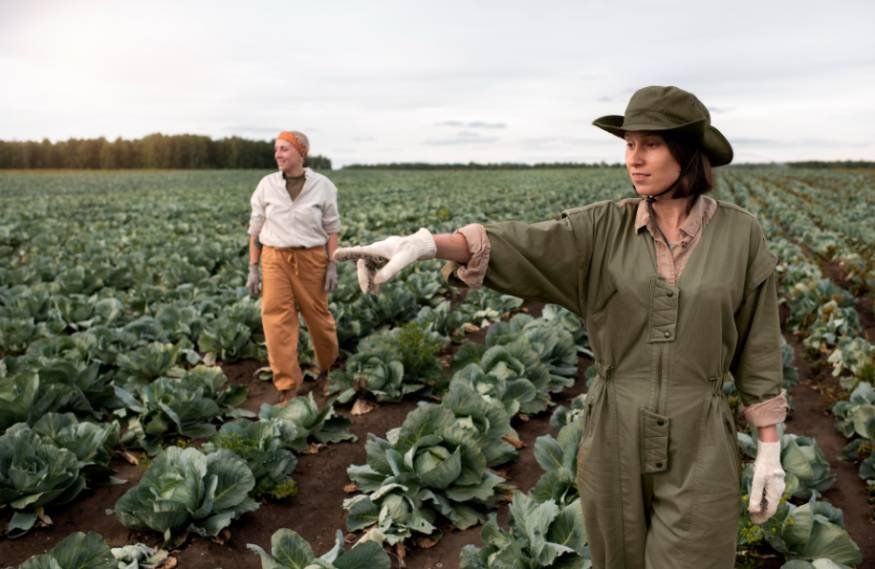
Changes from a person’s usual behavior deserve attention. These may include disrupted sleep, withdrawal, irritability, increased alcohol or drug use, family conflict, or unusual difficulty maintaining everyday routines.
Substance use can also affect families and communities beyond the individual experiencing it, particularly when opioid misuse leads to treatment needs, overdose risks, or caregiving disruption. How the Opioid Crisis Affects Tennessee Communities explores these wider effects and the community responses that can support recovery.
Farm-specific changes, such as neglected equipment or missed responsibilities, can provide context. They do not establish a diagnosis; illness, injury, or financial problems may also contribute.
Start with a specific, caring observation: “You haven’t seemed yourself lately. How are you doing?” Listen without judgment. Talk of suicide or profound hopelessness requires immediate attention rather than waiting for more signs.
Where Can Tennessee Farm Families Find Help?
Connect Practical Assistance With Emotional Support
County Extension offices can help farmers identify agricultural guidance and relevant resources. Tennessee’s farm stress initiatives also emphasize partnerships among agricultural organizations, community groups, and behavioral health providers.
Financial assistance and counseling serve different needs. Help reviewing a business problem may ease one pressure, while persistent anxiety, depression, or distress still warrants professional assessment.
Know When to Seek Immediate Help
Call or text 988 for free, confidential crisis support. It is available for emotional distress, including when someone is worried about another person. Call 911 if there is immediate danger.
For everyday support, make contact manageable. Offer to help find a provider, arrange transportation, or cover a task during an appointment. Small practical commitments can make accepting help easier.
Frequently Asked Questions
1. What Causes Mental health challenges facing Tennessee farmers?
Common pressures include financial uncertainty, unpredictable weather, isolation, demanding schedules, family responsibilities, and succession decisions. Their effects vary between individuals and farms.
2. Does Farm Stress Always Mean Depression?
No. Stress does not automatically indicate depression. Persistent symptoms, worsening distress, or difficulty functioning deserve evaluation by a qualified healthcare professional.
3. How Can Families Start a Supportive Conversation?
Choose a private moment, describe changes without criticism, and ask an open question. Listen before offering solutions, then help identify an appropriate next step.
4. Can Farmers Contact 988 Without Being Suicidal?
Yes. Farmers and family members can contact 988 when overwhelmed or emotionally distressed. The service also supports people concerned about someone else.
Keeping the People Behind the Farm in View
I believe addressing mental health challenges facing Tennessee farmers starts with making honest conversations easier and practical help more accessible. Farmers deserve support before distress becomes a crisis. Protecting a farm family’s future includes protecting the people making daily decisions, carrying uncertainty, and doing the work.