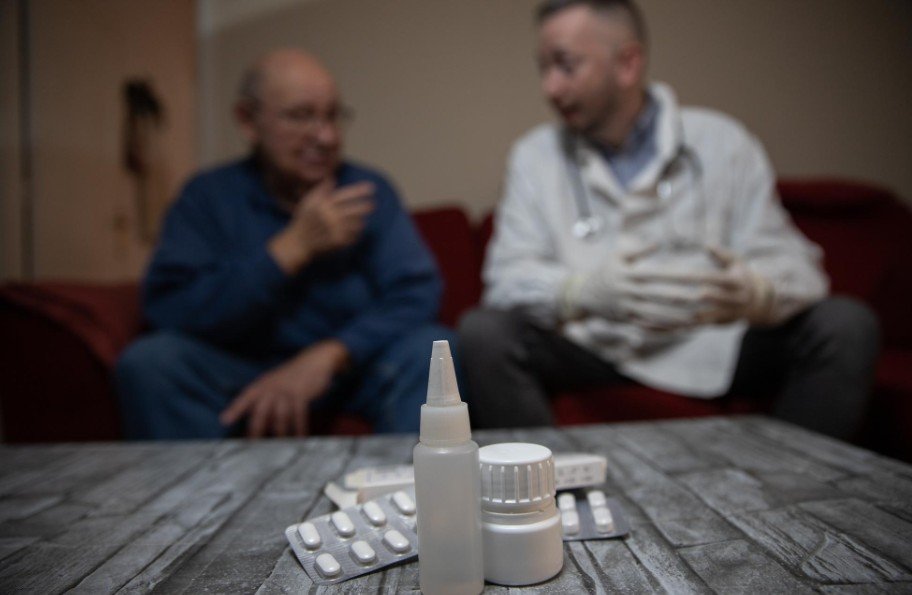
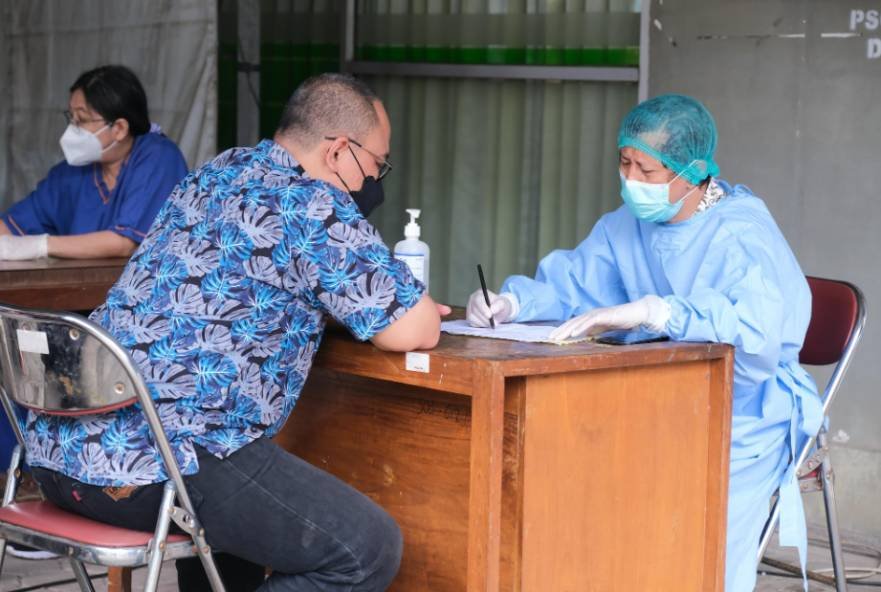
A doctor’s retirement can change an entire town’s routine. Suddenly, a prescription refill requires a longer drive, a checkup becomes harder to schedule, and families wonder who will handle their next health concern. When I examine Tennessee’s rural doctor shortage and possible solutions, that uncertainty matters as much as the workforce statistics. Communities need dependable care close enough to use regularly.
The challenge involves recruiting physicians, training them locally, and creating working conditions that encourage them to stay. Tennessee has initiatives underway, but understanding their potential means looking beyond recruitment announcements to everyday access.
Why Are Rural Tennessee Communities Short of Doctors?
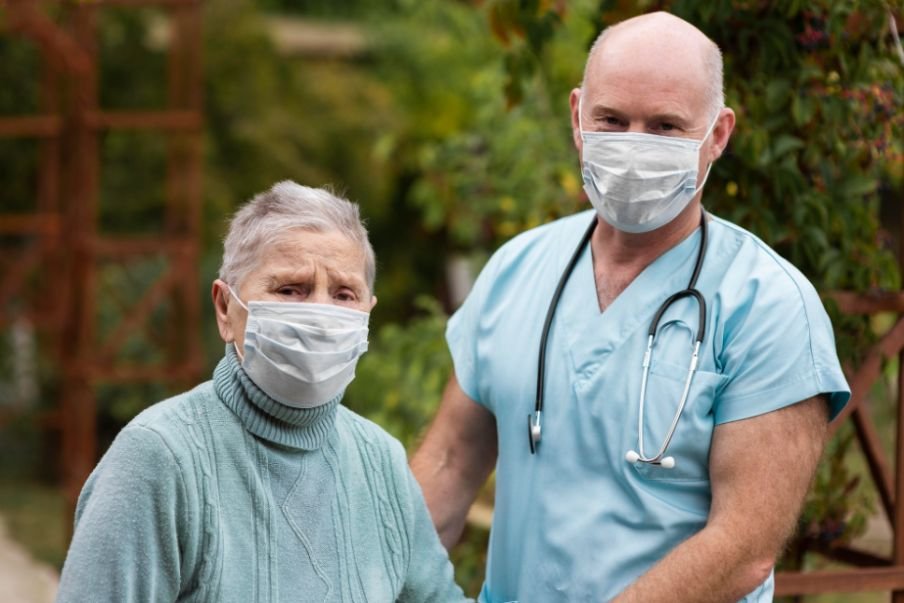
Medical Debt and Practice Pressures Shape Career Choices
Young physicians enter practice after years of training, often carrying substantial educational debt. Higher-paying specialties and positions in larger communities can appear financially safer than running a small rural practice.
Rural clinics also need support staff, reliable billing systems, and manageable workloads. Recruiting one doctor accomplishes little if that physician inherits overwhelming administrative responsibilities and limited coverage for time off.
Retirement and Residency Gaps Threaten the Pipeline
Experienced physicians cannot serve indefinitely. Replacing them requires a training pipeline that connects medical education with opportunities in underserved communities.
The Tennessee Hospital Association projects a statewide shortage of nearly 3,900 physicians by 2035. That estimate covers Tennessee overall, rather than rural counties alone. Its workforce study also identifies a growing mismatch between medical school graduates and available in-state residency positions.
Adding medical students therefore addresses only part of the problem. Graduates also need postgraduate training opportunities and reasons to build careers locally.
How Does the Doctor Shortage Affect Patients?
Limited appointment availability can complicate preventive care and ongoing treatment. Patients managing diabetes, blood pressure, or multiple medications need continuity, especially when symptoms change.
Travel adds another obstacle. An appointment may require transportation, time away from work, and help caring for children or relatives. Those demands become harder when follow-up visits happen frequently.
Hospital instability can further complicate recruitment because physicians need dependable referral networks and access to diagnostic services.
These workforce challenges can become even more difficult when rural hospitals face financial and operational pressures. Why Rural Tennessee Hospitals Are Struggling to Stay Open examines the broader challenges threatening hospital access in rural Tennessee.
However, hospital closures and physician shortages are distinct problems. A community may retain a hospital while struggling to offer timely outpatient appointments.
Which Solutions Could Improve Rural Healthcare Access?

A practical response to Tennessee’s rural doctor shortage and possible solutions should connect immediate recruitment with long-term workforce development.
Improving access also means helping families make informed choices once healthcare providers are available, particularly when selecting appropriate care for children. How to Choose a Dentist for Your Child’s Needs offers guidance for evaluating a dental provider based on a child’s specific needs.
Financial assistance, local training, and sustainable practice conditions address different barriers.
Use Loan Repayment to Make Rural Practice More Affordable
Tennessee offers loan repayment pathways that encourage eligible clinicians to serve underserved communities. The State Office of Rural Health administers programs tied to approved sites and service commitments.
A separate family medicine initiative offers qualifying physicians up to $200,000 in loan repayment during five-year commitments. This can make rural practice more financially achievable.
Nevertheless, recruitment incentives need follow-through. Communities should evaluate whether participants remain after their commitments and whether patients gain consistent access.
Expand Residencies Where Doctors Are Needed
Rural residencies expose physicians to the clinical responsibilities and relationships that define small-community practice.
UTHSC and Erlanger launched a family medicine rural track in Pikeville in 2025. Its training includes substantial experience at Erlanger Bledsoe Hospital, with plans to train two residents annually.
That scale illustrates both progress and the remaining challenge. Individual programs create opportunities, but broader improvement requires sustained funding, qualified supervisors, and enough training sites.
Help Rural Students Build a Path Into Medicine
Students from rural communities need opportunities to explore healthcare careers before college. Mentorship, clinical exposure, academic preparation, and financial guidance can make the pathway more accessible.
Recruiting students with community connections offers a promising foundation. However, admission alone does not guarantee their return. Rural rotations, residency opportunities, and attractive local jobs must continue that connection.
Make Staying as Important as Arriving
Retention requires attention to daily working conditions. Practices need adequate staffing, referral support, coverage arrangements, and help managing administrative tasks.
Family needs also influence location decisions. Housing, schools, childcare, and employment opportunities for spouses can affect whether a recruited physician establishes lasting roots.
Can Telehealth and New Funding Close the Gap?

Telehealth can support follow-up visits, specialist consultations, and collaboration between local clinicians and larger medical centers. Mobile services and transportation assistance can also reduce access barriers.
These approaches still need coordination with local care.
Ongoing support is particularly important for people experiencing substance-related health challenges, as the Long-Term Effects of Substance Abuse can extend beyond the initial period of substance use and require continued healthcare and support.
Physical examinations, procedures, testing, and emergencies require appropriate in-person services.
Tennessee’s Rural Health Transformation plan includes workforce development, technology, and expanded access. Its targets include new rural residencies and provider placements by 2031. Those are goals, so reporting should distinguish planned investment from completed improvements.
Frequently Asked Questions
1. What drives Tennessee’s rural doctor shortage and possible solutions?
The shortage involves recruitment difficulties, financial pressures, retirement, and training gaps. Solutions include loan repayment, rural residencies, local student pipelines, and stronger practice support.
2. Does Tennessee help rural doctors repay educational loans?
Yes. Programs offer assistance to eligible clinicians serving approved locations. Requirements differ, so applicants should check current eligibility and service obligations.
3. Can telehealth replace a local doctor?
Telehealth expands access to certain services, but patients still need coordinated in-person care for examinations, testing, procedures, and emergencies.
A Healthier Future Starts With Reliable Local Care
I see the strongest path forward as one that supports physicians throughout their careers. Tennessee needs affordable entry into rural practice, meaningful local training, and conditions that make staying realistic. Progress should appear in shorter waits, dependable follow-up, and lasting community relationships.