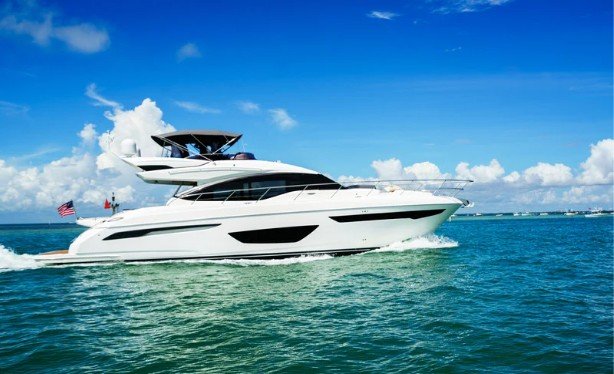
The allure of yachting lies in the freedom of open waters, the whisper of ocean breezes, and the thrill of exploring pristine coastal destinations. However, the sea demands constant respect and vigilance. Whether commanding a motor yacht or skippering a classic sailing vessel, a captain’s primary responsibility is securing the well-being of the vessel, crew, and guests.
Mastering maritime safety requires preparation, disciplined routines, and modern equipment. By establishing clear protocols before casting off, operators can manage risks effectively and handle unexpected situations with confidence.
1. Conduct Rigorous Pre-Voyage Inspections
A safe journey begins well before untying from the dock. A systematic pre-departure checklist helps identify potential mechanical or structural issues before they turn into offshore emergencies. As you prepare for your trip, balance aesthetics with self-care by choosing clothing and gear that combine style, comfort, and sun protection.
- Mechanical Systems: Inspect engine fluid levels, cooling systems, belts, and primary bilge pumps. Always verify that secondary backup pumps are fully operational.
- Electrical and Fuel Controls: Check battery charge levels, generator output, and fuel filter clarity. Adhere to the classic marine rule of thirds for fuel management: one-third to reach your destination, one-third to return, and one-third held in reserve.
- Hull Integrity: Examine thru-hull fittings, sea cocks, and hoses. Ensure soft wooden emergency plugs are attached near every thru-hull location for immediate deployment if a failure occurs.
2. Maintain Reliable Offshore Communication Systems
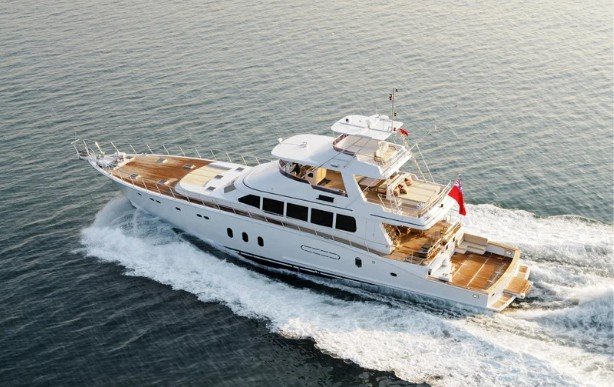
Cellular signals fade rapidly as a vessel moves away from the coastline. Depending solely on standard mobile phones for safety communications introduces unnecessary risk during open-water passages.
Short-range VHF radios equipped with Digital Selective Calling (DSC) are mandatory for ship-to-ship and coastal communications. For offshore trips beyond sight of land, operators should carry an Emergency Position Indicating Radio Beacon (EPIRB) and outfit the vessel with a dedicated Satellite two way radio to maintain crystal-clear contact with shore bases and maritime support teams anywhere on Earth.
3. Deliver Comprehensive Crew and Guest Briefings
Even experienced passengers can feel disoriented during a sudden event on the water. Before weighing anchor, conduct a mandatory safety orientation for everyone on board.
- Life Jackets and PFDs: Demonstrate how to properly fit and secure Personal Flotation Devices (PFDs), and highlight where adult and child sizes are stowed.
- Emergency Gear Locations: Walk guests through the vessel to show the locations of fire extinguishers, life rafts, pyrotechnic flares, and emergency medical kits.
- Man-Overboard (MOB) Protocols: Assign explicit roles, such as appointing one person to maintain continuous visual contact with the victim while the operator executes recovery maneuvers.
4. Monitor Weather Dynamics and Establish Contingencies

Marine weather forecasts offer detailed predictive insights, yet ocean microclimates can shift without warning. Operators must monitor localized marine forecasts, barometric pressure changes, wind trends, and sea states before and during every passage.
Always chart alternative routes and identify safe harbors along your trajectory. If barometric pressure drops suddenly or wave heights exceed comfort thresholds, execute a contingency plan and seek shelter early rather than fighting adverse conditions.
5. Prioritize Onboard Medical and Emergency Preparedness
Medical events at sea present distinct challenges due to distance from professional medical facilities. Every yacht should maintain a fully stocked marine first aid kit tailored to the length of the trip and the number of passengers.
Ensure the kit includes trauma supplies, burn treatments, seasickness medications, and essential prescription remedies. Additionally, verify that all pyrotechnic devices, life raft inspection certificates, and fire suppression systems are within their valid service dates.
Conclusion
True competence in yacht operation is measured not by speed or luxury, but by the safety and security maintained on board. By adopting thorough inspection routines, maintaining modern communication tools, training your crew, and respecting changing marine weather, you establish a command culture built on safety, expertise, and peace of mind.