
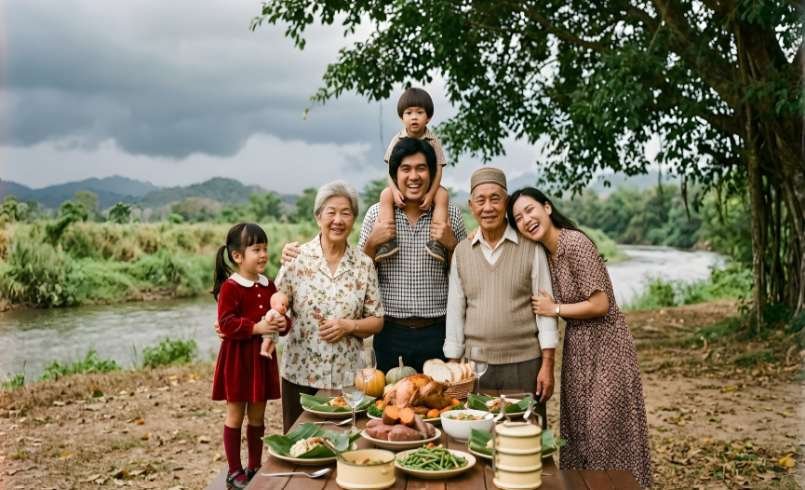
I think the easiest family details to lose are the ones nobody thinks to explain: why a certain dish appears at every birthday, who started the holiday toast, or what an old ornament represents.
For me, keeping family traditions alive across generations starts with making those details visible. Record the meaning, practice together, and give younger relatives room to contribute. A tradition has a better chance of continuing when people understand it and enjoy participating.
Which Family Traditions Are Worth Preserving?
Begin with the customs people genuinely value. These might include Sunday pancakes, annual reunions, bedtime stories, cultural celebrations, gardening, or volunteering together.
Ask relatives which experiences they would miss. Their answers can reveal everyday rituals that deserve attention alongside major holidays. A familiar song or birthday phone call may matter more than an elaborate gathering.
Separate meaning from habit. Preserve activities that create connection, express shared values, or celebrate heritage. Reconsider customs that leave someone excluded, exhausted, or financially strained.
How Can You Preserve the Stories Behind Traditions?

Ask older relatives who started each custom, when it began, and why it mattered. Invite different family members to contribute; their memories may differ, and those differences belong in the record.
Record More Than Names and Dates
Photograph handwritten recipes, make gift tags, and record short conversations with permission. Include names, approximate dates, places, and explanations that future relatives will need.
For a recipe, capture measurements, substitutions, cooking times, and techniques. “Cook until ready” becomes more useful when a video shows the texture or color someone checks.
Keep Memories Accessible
Combine a notebook or printed album with digital copies. Keep recordings in a shared folder, maintain another backup, and tell relatives where everything lives.
An archive helps preserve knowledge, but practicing the tradition together gives that knowledge a place in family life.
How Do You Get Children and Teenagers Involved?
Give younger relatives roles. A preschooler can choose cookie cutters, an older child can interview a grandparent, and a teenager can film a demonstration or organize photographs.
Explain the story while doing the activity. Decorating together creates a natural opening to describe where a particular ornament came from.
Invite suggestions without demanding enthusiasm. A teenager might prefer choosing music to cooking. Letting them contribute in their own way can make participation feel more welcoming.
How Can Families Continue Traditions Across Distance?

Choose a part of the tradition that travels easily. Relatives can prepare the same breakfast, exchange recorded greetings, or share photographs from a walk.
For video gatherings, check time zones and agree on a realistic window. Someone working a weekend shift can send a message beforehand rather than miss the occasion entirely.
Family members may also live in different parts of the state, where access to essential services can vary, making flexibility especially important when planning shared occasions and supporting relatives from a distance.
This is one reason families may need to understand issues such as Tennessee’s rural doctor shortage and possible solutions when coordinating care, travel, and family responsibilities. Mail a recipe card or small keepsake when appropriate. The goal is a shared experience that fits different households, schedules, and budgets.
For families looking to create meaningful experiences without making every gathering expensive, affordable weekend activities for families in Tennessee can provide simple ideas for spending time together while keeping the focus on connection rather than cost.
Who Should Take Over Organizing Family Traditions?
Traditions become vulnerable when one person remembers every date, cooks every dish, and contacts every guest. Share those responsibilities before that person needs to step back.
Create a Gradual Handover
Invite a younger relative to co-host. Write down the planning details, divide tasks, and let them lead the next gathering with help.
Keep responsibilities specific: one person coordinates invitations, another teaches the recipe, and someone else saves photographs. Rotate roles when possible so continuing the tradition remains manageable.
How Can Traditions Change Without Losing Their Meaning?

Identify what matters most. A reunion may represent togetherness rather than a particular house. A holiday meal may celebrate heritage without requiring every original dish.
A smaller gathering, simpler menu, or different date can preserve that purpose. Explain the change so children understand how the new version connects to the old one.
In blended or multicultural families, invite each household to share meaningful customs. Make space for different beliefs, dietary needs, and abilities rather than expecting everyone to participate identically.
What Happens After the Person Behind a Tradition Dies?
Ask relatives what feels comfortable. Some may want to cook a familiar dish or share a favorite story; others may need to pause.
Family members also carry different emotional pressures depending on their circumstances and responsibilities, so conversations about wellbeing should be approached with patience rather than assumptions. This is especially important when supporting relatives connected to demanding rural livelihoods and understanding the mental health challenges facing Tennessee farmers.
Avoid assigning someone the job of replacing the person who died. Share the work and allow a different version to emerge. A recipe, photograph, or remembered phrase can provide continuity when relatives want it.
Frequently Asked Questions
1. What Is the First Step in Keeping Family Traditions Alive Across Generations?
Choose one valued tradition. Ask about its origins, record the details, and invite a younger relative to help practice it.
2. What If Children Do Not Want to Participate?
Ask what they dislike and offer choices. Shorter activities, different roles, or new elements may help. Avoid turning participation into a test of loyalty.
3. Can We Start Traditions Without Inherited Customs?
Yes. Repeat a meaningful activity, such as a monthly meal or birthday letter. Invite family input and adjust it as circumstances change.
4. Do Traditions Need to Be Expensive?
No. Storytelling, homemade cards, shared walks, and cooking together can create repeatable experiences without substantial spending.
What I Hope We Carry Forward
I want keeping family traditions alive across generations to feel like an invitation. I would begin with one story, one shared activity, and one responsibility passed along. Recording the details matters, but so does allowing change. What I hope survives is the connection people choose to keep building together.