
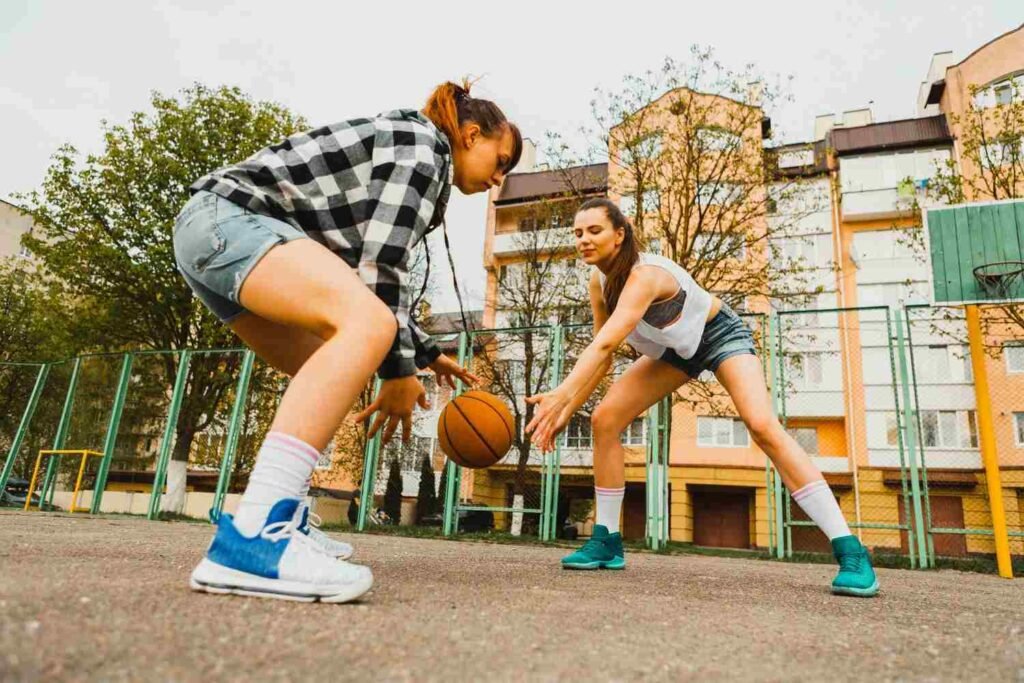
A child can fall in love with sports for reasons adults do not always expect. Sometimes it is the thrill of scoring, sometimes it is the friendships, and sometimes it is simply the joy of moving, learning, and getting better at something new. That is why I think choosing a youth sport should begin with the child, not with rankings, trends, or what everyone else is playing.
When I look at the best youth sports for kids in the USA, I focus on how well each option fits different personalities, age groups, budgets, and family schedules. Soccer may suit a high-energy team player, while swimming, gymnastics, tennis, or pickleball may be better for a child who prefers individual progress. The right sport should challenge kids without overwhelming them and give them a reason to look forward to the next practice.
What Are the Best Youth Sports for Kids?
Soccer Is a Strong All-Around Starter Sport
Soccer remains one of the easiest team sports for families to explore. Kids develop cardiovascular fitness, balance, foot-eye coordination, spatial awareness, communication, and teamwork.
Recreational programs often begin around ages 3 to 5, although young children should focus more on movement and fun than competition. Equipment needs are also relatively simple compared with many youth sports.
Basketball Builds Agility and Quick Decision-Making
Basketball works particularly well for children who enjoy constant action. It improves hand-eye coordination, endurance, agility, teamwork, and fast decision-making.
Because basketball courts are common at schools, parks, YMCAs, and recreation centers, children can also practice outside organized leagues without needing large amounts of specialized equipment.
Baseball and Softball Develop Patience and Coordination
Baseball and softball remain deeply connected to American youth sports culture. Both develop throwing, catching, reaction time, hand-eye coordination, focus, and strategic thinking.
They may suit children who enjoy technical skills, defined positions, and a slower game pace than soccer or basketball.
Which Fast-Growing, Lower-Contact Sports Are Good for Kids?

Flag Football Offers Football Skills Without Routine Tackling
Flag football has become one of the fastest-growing youth sports in America. It introduces passing, route running, speed, strategy, and teamwork while removing routine tackling from the game.
Girls’ participation has also expanded significantly as more schools and leagues add organized programs.
Children can often begin around age 5. Equipment requirements are generally manageable, although parents should still examine coaching standards, rules, supervision, and safety practices.
Volleyball Builds Communication Without Heavy Contact
Youth volleyball continues to grow among girls and boys. Players develop reflexes, jumping ability, hand-eye coordination, communication, and court awareness.
Because nearly every play requires teammates to cooperate, volleyball can be excellent for developing teamwork without the repeated collisions associated with high-contact sports.
Pickleball Gives Beginners a Low-Pressure Option
Pickleball is increasingly attracting younger players. Its smaller court, lighter paddles, and relatively simple rules make it easier for children to learn.
It can be especially appealing to kids who prefer an individual or doubles activity but still want the social side of recreational sports.
Which Individual Sports Build the Best Physical Foundation?
Swimming Combines Fitness With Water Safety
Swimming develops cardiovascular endurance, full-body strength, coordination, and personal accountability while also teaching an important life skill.
Competitive swimming can involve a larger time commitment than recreational lessons, and costs may include pool fees, team dues, goggles, suits, and competition expenses.
Gymnastics Builds Exceptional Body Control
Gymnastics is one of the strongest foundational sports for young children. It develops balance, flexibility, core strength, coordination, and body awareness.
Those skills can transfer into many other activities later. Beginner programs may start around age 3, although advanced gymnastics can become more expensive because of facility, coaching, apparel, and competition costs.
Which Youth Sports Are Most Affordable?
Youth sports costs vary widely across the United States.
Recreational basketball, soccer, running, and track and field are often among the more budget-friendly choices. Hockey, competitive gymnastics, elite volleyball, travel baseball, and private tennis programs can require substantially larger investments.
I recommend calculating more than registration fees. Uniforms, equipment, tournament entry, transportation, hotels, meals, private coaching, and offseason training can dramatically change the real cost.
For many families, the best youth sports for kids in the USA are ultimately the options that match both a child’s interests and the family’s budget.
What Sports Are Best for Kids by Age?
What Are the Best Sports for Ages 3 to 5?
At this age, I would prioritize swimming lessons, introductory gymnastics, basic soccer, and simple movement activities.
Children should develop balance, coordination, confidence, running, jumping, and the ability to follow basic instructions rather than worrying about winning.
What Sports Are Best for Ages 6 to 9?
Children in this age range can usually handle more structure.
Soccer, basketball, baseball, softball, swimming, gymnastics, martial arts, tennis, flag football, and beginner volleyball can all be good choices depending on the child’s interests.
What Sports Are Best for Kids Age 10 and Older?
Older children usually have clearer preferences. They may enjoy school teams, track and field, competitive swimming, volleyball, tennis, basketball, baseball, soccer, or more specialized club programs.
Their own interest should increasingly influence the decision.
Should Kids Play Multiple Sports Before Specializing?
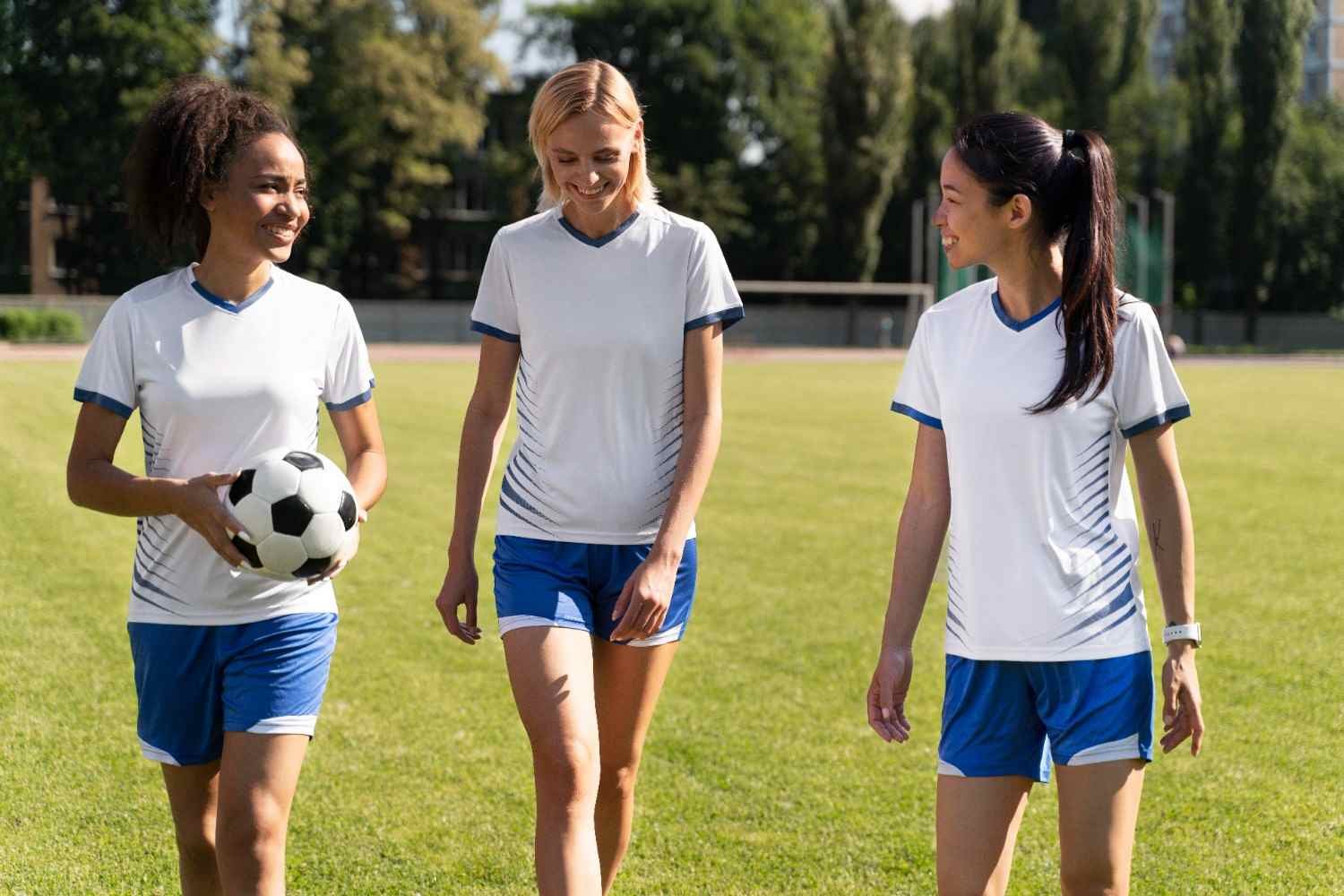
I prefer giving children opportunities to try multiple sports instead of pushing them toward early specialization.
Different activities expose kids to new movement patterns, coaching styles, teammates, and challenges. Youth-sports guidance commonly encourages multi-sport participation during childhood because repetitive year-round training in one activity can contribute to overuse problems and burnout.
For children under about 12, rotating sports across seasons can be an effective way to discover which activity they truly enjoy.
Recreational vs Travel Sports: Which Is Better?
Recreational leagues generally emphasize participation, skill development, community, and fun. Travel and club programs usually involve stronger competition, additional practices, tournaments, transportation, and higher costs.
For younger children and beginners, I would normally start with recreational programs.
Organizations such as i9 Sports, local YMCAs, community leagues, and municipal parks and recreation departments can let children experiment with different sports before a family commits to an intensive travel schedule.
Travel sports become more worthwhile when a child consistently asks for stronger competition and additional training.
How Can Parents Choose the Right Sport?
Start by watching what your child naturally enjoys.
An energetic, social child might gravitate toward soccer, basketball, volleyball, or flag football. Someone who likes personal goals may prefer swimming, gymnastics, tennis, martial arts, track and field, or pickleball.
Then evaluate local program quality, coaching style, cost, schedule, transportation, physical contact, equipment, and the child’s willingness to practice.
When choosing among the best youth sports for kids in the USA, I would put enjoyment ahead of prestige. Children who actually look forward to practice have a much better chance of staying active and developing their skills.
Frequently Asked Questions (FAQs)
1. What is the best first sport for a young child?
Soccer, swimming, gymnastics, and introductory basketball are strong choices because they help children develop basic movement, balance, coordination, and confidence.
2. What are good low-contact sports for kids?
Swimming, tennis, track and field, volleyball, gymnastics, pickleball, and flag football can provide active competition with less routine collision than traditional tackle sports.
3. What is the cheapest youth sport to start?
Recreational basketball, soccer, running, and track programs can be relatively affordable because equipment requirements are often modest. Costs still depend heavily on the league and location.
4. Is flag football safer than tackle football?
Flag football removes routine tackling, which reduces a major source of collision exposure. However, no youth sport is completely risk-free, so parents should still evaluate coaching, supervision, rules, and safety practices.
Final Thoughts
I do not believe parents need to identify a child’s lifelong sport at age 5, 8, or even 12. Childhood should leave room for experimentation.
Soccer may work one season and swimming the next. Another child might discover that volleyball, gymnastics, flag football, pickleball, or track fits better. Exploring different activities can also help families understand why some options eventually become the most popular high school sports in America, while others remain better suited to individual interests or smaller programs.
What matters most is creating positive experiences that encourage kids to keep moving. When enjoyment, appropriate competition, family budget, and a child’s personality all fit together, youth sports can build habits that last far beyond a single season.